You’ve been following all the advice. You use a fancy serum at night, a thick moisturizer, and that eye cream everyone raves about. Your goal is to keep wrinkles away and look fresh for years. But here’s the annoying part: you keep waking up with little pimples on your chin, jawline, or cheeks. Maybe even a few on your forehead. You’re not a teenager. You’re past that stage. So what gives?It’s a frustrating secret that a lot of
women figure out the hard way. Some of the very products we buy to stop wrinkles can actually cause breakouts. And in 2026, with so many new
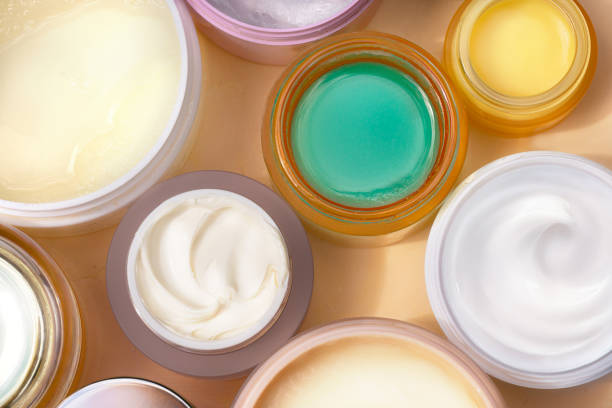
anti-aging ingredients hitting the shelves, this problem is more common than ever. The good news is you don’t have to choose between smooth skin and clear skin. You just need to know what to look for.First, let’s talk about heavy creams. A lot of
anti-aging moisturizers are thick and rich. That’s great for
dry winter skin, but if your skin is even a little bit
oily or combination, those heavy oils can clog your pores. Words like “shea butter,” “coconut oil,” and “mineral oil” sound natural and safe, but for some faces they are like putting a plastic wrap over your pores. Your skin can’t breathe, and little bumps show up. A better choice is a lightweight moisturizer that says “non-comedogenic” on the bottle. That just means it won’t block your pores. Brands have gotten much better at making these in the past couple years, so look for gel or water-based formulas.Next up is retinol. Retinol is the big star of anti-aging. It speeds up cell turnover, which helps fade lines and smooth texture. But it can also be harsh. When you first start using it, your skin might purge—that means it pushes out all the gunk from deep in your pores, which looks like a breakout. That is
normal for a few weeks. But if the pimples don’t stop, or if your skin gets red and flaky, you might be using too strong a dose or applying it too often. In 2026, many brands offer lower-strength
retinol that is gentler on adult skin. Try starting with a 0.25% formula, just three nights a week. And always put it over your moisturizer, not under it. That buffers the power and saves your skin from irritation.Another sneaky culprit is layering too many products. The idea of a “10-step routine” sounds like a good way to treat yourself, but for your face it can be overload. Every serum, toner, and cream has ingredients that sink in. When you put five or six things on your face, some of them can react with each other. For example, using a vitamin C serum in the morning with a heavy sunscreen and a thick moisturizer can create a sticky paste that holds onto dirt and oil. Your skin doesn’t need that many steps. A simple three-step routine—cleanse, treat, moisturize—is often enough. Add a sunscreen in the morning and that’s it. Your skin will thank you.Don’t forget about exfoliation. Many
women use physical scrubs or acids like glycolic acid to keep skin smooth and bright. That’s good for wrinkles. But overdoing it strips away your skin’s protective barrier. When that barrier is damaged, bacteria can get in easier, and you get inflamed red pimples instead of clear skin. Limit exfoliation to two or three times a week. Skip the harsh walnut scrubs and use a gentle chemical exfoliant with lactic acid instead. It’s milder.One more thing: some
anti-aging products contain silicones. You’ll see names like dimethicone or cyclomethicone on the label. These give a silky, smooth feel and fill in fine lines instantly. But they can also sit on top of your skin and trap everything underneath, including oil and sweat. If you are prone to small whiteheads, check your foundation and primer for silicones. There are now “clean” versions in 2026 that use lighter alternatives.The bottom line is you don’t have to ditch your
anti-aging game to get rid of breakouts. Just be smart about what you put on your face. Look for products that are labeled for both aging and acne-prone skin. Many brands now make hybrid formulas. Start slow with retinol, keep your routine simple, and pay attention to how your skin feels. If something makes you break out after a week, stop using it. Your face is trying to tell you something. Listen to it, and you’ll have the best of both worlds: fewer wrinkles and clear skin.