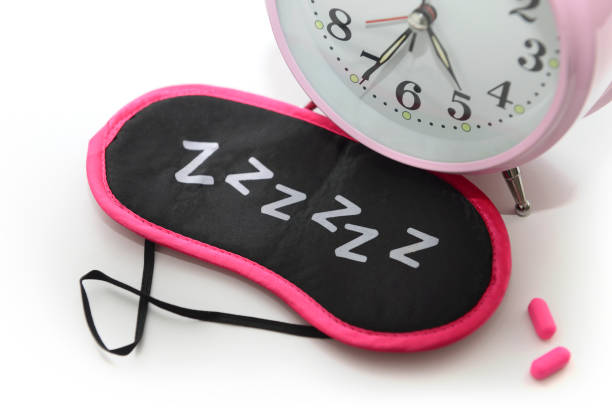
You probably already know you should wash your face before bed and wear sunscreen in the morning. But there is one thing you might be forgetting that could be messing up your skin just as much: how you sleep. Yes, the way you snooze at night has a bigger impact on wrinkles and skin health than you think. And the best part? Fixing it is totally free and doesn’t require any fancy creams or gadgets.When you sleep, your body does a serious cleanup job on your skin. It repairs damage from the day, makes new cells, and boosts blood flow so your face gets all the oxygen and nutrients it needs. But if you’re not getting enough quality sleep, or if you’re sleeping in a way that squishes and stretches your face for hours, all that work gets messed up. Think of your skin like a favorite shirt. If you wad it up and sleep on it all night, it’s going to have wrinkles in the morning. Same goes for your face.One huge problem is sleeping on your side or stomach. When you press your face into a pillow night after night, you create what experts call “sleep lines.” These are creases that form from the pressure. In younger skin, these lines pop right back when you wake up. But as you get older, your skin loses bounce and elasticity. Those temporary lines start to stick around, turning into real wrinkles. The simplest fix is to try sleeping on your back. It takes a little getting used to, but it keeps your face off the pillow and lets your skin stay relaxed all night long. If you can’t make the switch, investing in a silk or satin pillowcase can help a lot. Cotton pillows grab and tug at your skin, while silk lets your face slide without creating as many creases.Another sneaky wrinkle maker is your pillow height. If your pillow is too thick and pushes your head forward, it can create deep creases in your
neck and
chest area. Those lines aren’t just from sleeping—they also come from looking down at your phone or computer all day. But a bad pillow makes them worse. Look for a pillow that keeps your spine in a neutral line, not bent. Your face and
neck should be flat and relaxed, not crunched.Then there’s the whole thing about how much sleep you actually get. If you’re running on six hours or less, your skin doesn’t have enough time to repair itself. Cortisol, your body’s main stress hormone, stays high when you’re sleep-deprived. High cortisol breaks down collagen, the stuff that keeps your skin firm and smooth. Less collagen means more sagging and more wrinkles. That’s why a solid eight hours is not just about feeling rested—it’s about keeping your skin from falling apart.Room temperature matters too. Sleeping in a room that’s too hot can
dry out your skin because you sweat more and lose moisture. Dry skin shows wrinkles more easily. A cool, slightly humid room is better. You can even run a small humidifier in your bedroom during
winter to keep the air from sucking the moisture out of your face.One more thing: your bedding. Dirty pillowcases hold oil, dead skin, and bacteria that can clog pores and cause breakouts. Even if you’re not a teenager, you can still get acne from a grimy pillow. Change your pillowcase at least once a week. It’s a cheap, easy habit that makes a real difference.Now, what about those fancy sleep
masks and anti-wrinkle patches you see online? Some work okay for a short time, but they’re not a long-term fix. You’re much better off focusing on basics: sleep on your back, use a silk pillowcase, keep your room cool and slightly moist, and get enough hours. That’s the foundation. Everything else is just extra.Also, don’t forget about your nighttime routine. What you do right before bed affects your skin too. Avoid heavy creams right before you hit the pillow if they make you feel greasy or clogged. On the flip side, a lightweight moisturizer helps lock in hydration while you sleep. And skip the alcohol before bed. It dehydrates your skin and messes with your sleep quality. One glass of wine might help you
fall asleep faster, but it makes your sleep less deep and less healing for your skin.Finally, be mindful of your face during sleep. Some people subconsciously rub their face into the pillow or scrunch up their
forehead when they dream. You can train yourself to relax by doing a quick face check before falling asleep. Make sure your jaw is loose, your brow is smooth, and your lips are slightly parted. It sounds silly, but it trains your muscles to stay relaxed through the night.The bottom line is this: your sleep setup is either helping your skin or hurting it. You don’t need expensive treatments or complicated routines. Just a few small changes to how you sleep can prevent wrinkles and keep your skin looking healthy for years. And honestly, what’s better than
anti-aging that also helps you feel rested? That’s a win-win.