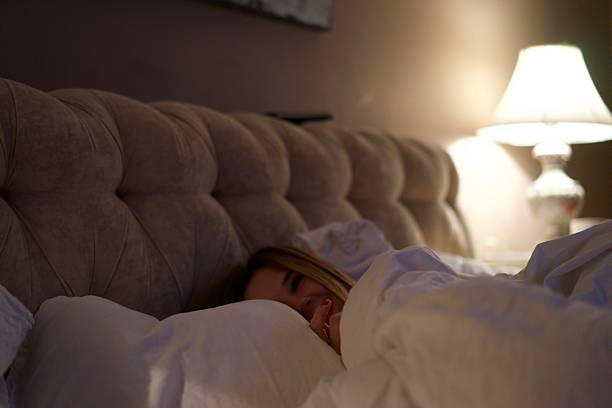
You already know that getting enough sleep is good for your skin. But did you know that how you sleep matters just as much? If you’re waking up with creases on your face that take a while to fade, those lines could be turning into permanent wrinkles over time. Let’s talk about one of the sneakiest causes of aging skin that most people overlook: your sleep position.When you sleep on your side or your stomach, your face gets pressed into the pillow for hours every night. That constant pressure, day after day, stretches and squishes the skin in the same spots. Think of it like folding a piece of paper over and over. Eventually, the crease stays. The same thing happens with your skin. The fine lines you see on your cheeks, around your mouth, or near your
eyes after a good night’s rest might actually be “sleep wrinkles” that are becoming more permanent as you get older.Here’s the deal. Your skin has a natural bounce thanks to something called elasticity. When you’re young, that bounce is strong. Your skin snaps back easily after being pressed. But as you age, especially after your mid-thirties, that bounce slows down. Your skin loses some of its natural firmness. So those nightly presses start to leave a mark. And by the time you notice them, they’re harder to get rid of.Now, I’m not telling this to scare you. I’m telling you because this is one of the easiest things to fix without spending a lot of money. You don’t need fancy creams or treatments. You just need to change a simple habit.The best position to sleep in for your skin is on your back. When you’re on your back, nothing touches your face. No pressure, no folds, no creases. Your skin can rest and repair without being squished. It might feel weird at first if you’re used to side or stomach sleeping. But your body can adjust. Start by putting a small pillow under your knees. This helps keep your back comfortable and stops you from rolling over. You can also try a body pillow next to you to remind yourself to stay put.If you really can’t sleep on your back, there’s another option that helps a lot. Switch to a silk or satin pillowcase. These materials are much smoother than cotton. They create less friction and bunching, so your skin glides instead of getting crushed. Silk pillowcases also don’t soak up as much moisture from your face. That’s a nice bonus because
dry skin shows lines more easily.What about your neck? Side sleeping can also cause horizontal lines on your
neck and chest. Those areas are even thinner and more delicate than your face. Adjusting your pillow height can help. If your pillow is too thick, your
neck gets bent at an odd angle all night. Aim for a pillow that keeps your head and spine in a straight line. A firmer, lower pillow is usually better for side sleepers who want to protect their
neck skin.Now, I know some of you are thinking, “But I’ve always slept on my side and I love it.” That’s okay. You don’t have to change overnight. Try starting by sleeping on your back for just a few hours a night, or for the first part of your sleep. Over time, your body will get used to it. Another trick: put a little reminder on your pillow, like a small note, to help you mentally shift.This isn’t about being perfect. It’s about making small changes that add up. If you’re already taking good care of your skin during the day with cleansing, moisturizing, and sunscreen, then your nighttime routine is the missing piece. Let your skin do its repair work without being scrunched up. That simple shift can slow down those creases and keep your face looking smoother for years to come.So tonight, before you close your eyes, think about your sleep position. Make a small change. Your skin will thank you in the morning.