As winter’s grip loosens and the world bursts into bloom, the arrival of
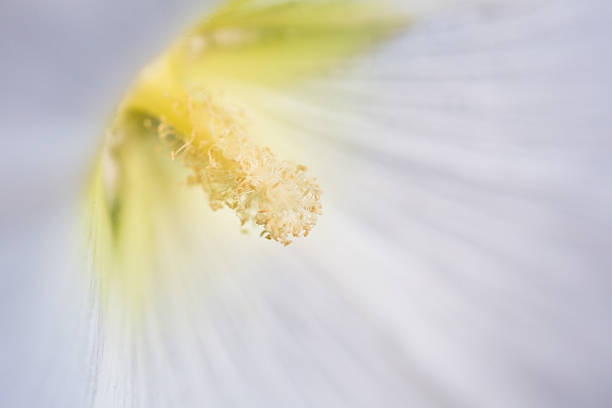
spring brings with it a less welcome guest: pollen. While its effects on respiratory allergies are well-documented, a growing body of dermatological research reveals a more insidious impact. Spring pollen does not merely trigger hay fever; it acts as a potent accelerant of skin aging through a cascade of inflammatory and oxidative processes that compromise the skin’s structural integrity and youthful appearance.The primary mechanism by which pollen expedites aging is through the induction of chronic, low-grade inflammation. When pollen grains, particularly those from trees and grasses, settle on the skin, they are not inert particles. They contain enzymes and proteins that can penetrate the skin’s outer barrier, especially if it is already compromised or dry. The immune system recognizes these as foreign invaders, triggering an inflammatory response. This involves the release of a flood of cytokines and signaling molecules, such as interleukin-1 and tumor necrosis factor-alpha. This state of inflammation is a key driver of aging, often termed “inflammaging.“ It breaks down collagen and elastin—the essential proteins that keep skin firm, plump, and resilient. Over time, repeated seasonal exposure leads to a cumulative loss of these supportive structures, resulting in fine lines, wrinkles, and sagging skin that appear prematurely.Furthermore, pollen exposure generates an onslaught of oxidative stress, another cornerstone of the aging process. Pollen grains themselves can generate reactive oxygen species (ROS), and the inflammatory response they provoke produces even more. These unstable molecules, or free radicals, wreak havoc on skin cells, attacking lipids in the cell membranes, damaging cellular DNA, and degrading collagen fibers. The skin’s natural antioxidant defenses, such as vitamins C and E, become overwhelmed by this seasonal surge. This oxidative damage manifests as a loss of skin radiance, increased hyperpigmentation or dark spots, and a degradation of skin texture. Essentially, pollen creates an environment on the skin that mirrors the effects of prolonged sun exposure or pollution, accelerating the timeline of visible aging.The aging effects of pollen are compounded by behavioral factors. The very symptoms of seasonal allergies—itchy, watery eyes, and nasal congestion—promote aging-adjacent actions. Frequent rubbing and tugging at the delicate skin around the
eyes and nose can mechanically break down collagen over time, leading to crepiness and fine lines known as “allergic shiners.“ Moreover, many antihistamines taken to manage pollen allergies can have a drying effect, reducing the skin’s natural hydration. Dehydrated skin accentuates existing wrinkles and impairs the skin barrier, making it even more susceptible to pollen penetration and environmental damage, thus creating a vicious cycle.Importantly, pollen does not act in isolation. It exhibits a synergistic relationship with other environmental aggressors, particularly ultraviolet (UV) radiation. Pollen particles can adhere to the skin, and when exposed to sunlight, some studies suggest they may act as photosensitizers, potentially amplifying the damage caused by UV rays. This combination of pollen-induced inflammation and UV exposure leads to a dramatic increase in collagen degradation and pigmentary disorders, fast-tracking photoaging signs like deep wrinkles, leathery texture, and uneven tone.In conclusion,
spring pollen is far more than a respiratory irritant; it is a significant, though often overlooked, environmental factor in premature skin aging. Its dual attack—sparking persistent inflammation and overwhelming oxidative stress—systematically degrades the skin’s foundational support system. When combined with associated behaviors and synergy with sun exposure, the annual pollen season becomes a recurring assault on cutaneous youth. This understanding underscores the importance of a proactive, protective skincare approach during spring, extending beyond allergy medication to include robust antioxidant serums, strengthened barrier repair, and meticulous cleansing to remove pollen residue, thereby defending the skin against this seasonal aging threat.