If you are still scrubbing your face raw with harsh cleansers or burning your skin with strong spot treatments, it is time to stop. The number one change in acne care for 2026 is not a new drug or a fancy laser. It is a complete shift in thinking. The best treatment for breakouts right now is not about attacking your pimples. It is about feeding your skin so it stops making pimples in the first place. This might sound backward, but it works better than anything you have tried before.For years, the standard advice was to
dry out acne. You bought cleansers that made your face feel tight and tingly. You thought that stinging feeling meant the product was working. In truth, that stinging was a sign of damage. When you strip your skin of its natural oils, you wreck the protective barrier on your face. This barrier is the thin layer that keeps moisture in and bacteria out. When you break that barrier, your skin panics. It starts producing extra oil to try to fix itself. That extra oil mixes with dead skin cells and clogs your pores. So the very act of trying to
dry out acne often makes it worse. The cycle of stripping and breaking out gets tighter and tighter.The smarter approach for 2026 is to treat your skin like a fortress that needs strong walls, not a battlefield that needs bombs. You want to build up the barrier so it can do its job. When your skin barrier is healthy, it naturally fights off the bacteria that cause pimples. It also holds onto water, which makes your skin look plump and smooth. This is where the
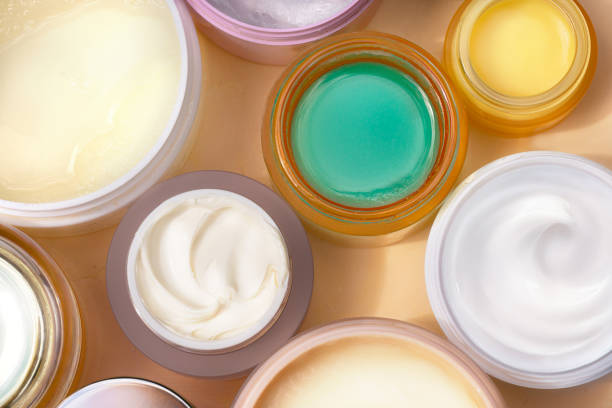
anti-aging benefit kicks in. Healthy, hydrated skin shows fewer fine lines. A well-fed face is a younger-looking face.So what does this new routine look like in practice? It starts with your cleanser. Ditch the foaming, squeaky-clean gels. Look for a creamy or milky cleanser that leaves your skin feeling soft after you rinse. You should not feel like you need to rush to put on moisturizer. The goal is to wash away dirt and makeup without stripping your natural oils. Next comes the most important step for your acne: a moisturizer that feeds your barrier. This is the part that feels scary if you have
oily skin. You might worry that putting on cream will cause more breakouts. But the right moisturizer actually signals to your skin that it is safe. It says, you have enough oil down here, so stop making more.Look for moisturizers with ceramides, which are the building blocks of your skin barrier. Niacinamide is another star ingredient for 2026. It calms redness, controls oil, and strengthens the barrier all at once. Think of niacinamide as the friend who keeps everyone at the party calm and happy. You also want to include a gentle exfoliant, but not the gritty scrubs that tear your skin. A mild chemical exfoliant like lactic acid or a low-strength salicylic acid will help clear out pores without violence. Use it just a few times a week.The last piece of the puzzle is a treatment that targets acne without destroying your barrier. Instead of a harsh benzoyl peroxide cream that bleaches your towels and dries out your face, try a sulfur spot treatment or a product with azelaic acid. These ingredients kill acne bacteria and calm inflammation without the harsh side effects. Apply them only where you have a pimple, not all over your face.When you switch to this gentler method, do not expect results overnight. Your skin needs time to rebuild. You might see a few more breakouts in the first week as your barrier starts to heal. This is normal. Be patient. After about three or four weeks, you should notice your skin looking calmer. The redness will fade. The breakouts will be smaller and less frequent. And as a bonus, your fine lines will be less noticeable because your skin is plump and moisturized.This new way of treating acne is not a quick fix. It is a long-term strategy that works with your skin instead of against it. For middle-class
women who are busy and want results that last, this is the best investment you can make. Stop fighting your face. Start feeding it. Your skin will thank you with fewer pimples and fewer wrinkles.