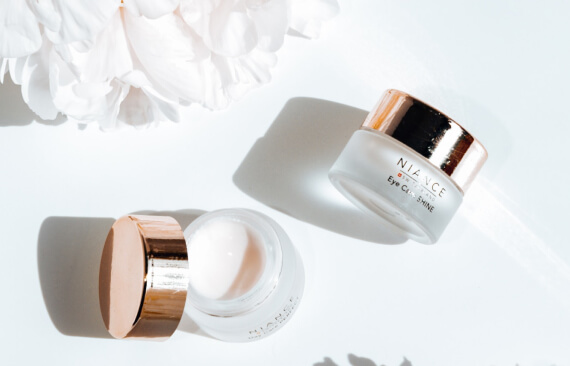
The modern men’s grooming aisle has expanded far beyond simple soap and shaving cream, with one product generating particular debate: the eye cream. For many men, the very notion can seem unnecessary, even frivolous, a step too far into the realm of cosmetic indulgence. However, the question of whether
men should use an eye cream is not about gender, but rather biology and personal care goals. The answer, grounded in dermatological science, is a qualified yes—for those who have specific concerns that a general moisturizer cannot address.Biologically, the skin around the
eyes is no different between
men and women. It is the thinnest, most delicate skin on the human body, with fewer oil glands and a complex network of muscles constantly in motion from blinking and expression. This area is inherently more prone to showing signs of fatigue, aging, and environmental damage. Men’s skin, while often thicker and oilier on average elsewhere, shares this precise vulnerability around the eyes. Therefore, the core rationale for an eye cream is universal: it is a targeted treatment formulated for a uniquely fragile zone. A standard face moisturizer, while beneficial, is often too heavy for this area and lacks the specific ingredients designed to tackle issues like dark circles, fine lines, and puffiness.The decision to incorporate an eye cream should be driven by specific concerns. One primary issue is hydration. Dehydration can make fine lines—often called crow’s feet—more pronounced. A quality eye cream provides concentrated hydration with lightweight ingredients like hyaluronic acid, which plumps the skin by drawing in moisture, making minor lines less visible. For
men who spend hours in dry, air-conditioned or heated environments, this targeted hydration can be beneficial. Another common concern is puffiness, often caused by fluid retention from lack of sleep, high salt intake, or allergies. Eye creams containing caffeine or licorice root extract can help constrict blood vessels and reduce this temporary swelling through their anti-inflammatory properties.Dark circles present a more complex challenge, as their causes vary. For some, they are hereditary, resulting from thin skin revealing the underlying blood vessels. For others, they stem from hyperpigmentation or simple shadowing from puffy eyelids. While no cream can completely erase hereditary dark circles, ingredients like vitamin C, kojic acid, or
retinol can help brighten pigment-related darkness over time and thicken the skin slightly. It is crucial, however, to manage expectations. Eye creams are maintenance and improvement products, not magic erasers.The argument against eye creams often hinges on the idea that a good facial moisturizer is sufficient. For many
men with no particular eye-area issues, this is perfectly valid. A basic, consistent skincare routine of cleanse, moisturize, and apply sunscreen is the undisputed foundation of skin health and does more to prevent aging than any corrective cream. Furthermore, the market is saturated with overhyped products. Men should be wary of extravagant claims and seek out simple, fragrance-free formulas with proven active ingredients. The application also matters: using only a pea-sized amount for both
eyes and gently patting it in with the ring finger to avoid tugging is essential.Ultimately, the use of an eye cream is a personal choice, not a gendered obligation. Men should consider it not as a concession to vanity, but as a practical, targeted tool. If the delicate skin around the
eyes shows signs of dryness, pronounced fatigue, or mild puffiness that bothers the individual, then a thoughtfully chosen eye cream is a logical and effective addition to a grooming regimen. It is a matter of addressing a specific biological need with the appropriate product. For those without such concerns, investing in a superior general moisturizer and a high-SPF sunscreen remains the gold standard. In the landscape of self-care, informed choice trumps convention, allowing every individual to curate a routine that aligns with their own skin’s requirements and their desired level of care.