The delicate skin surrounding the eyes, known as the periorbital area, is often the first to reveal the subtle signs of aging. This is due to its inherent thinness, a high concentration of expressive muscles, and constant exposure to environmental factors. Consequently, wrinkles around the eyes—be they fine lines known as crow’s
feet or deeper furrows—prompt many to seek effective treatments. The quest for the best way to address these wrinkles, however, does not lead to a single miracle cure but rather to a strategic, multi-faceted philosophy that prioritizes prevention, embraces proven professional interventions, and incorporates consistent, gentle daily care.Fundamentally, the most powerful weapon against eye wrinkles is a diligent and lifelong
prevention strategy. This foundational approach centers on relentless sun protection. Ultraviolet radiation is a primary accelerator of skin aging, breaking down collagen and elastin fibers that provide structural support. Therefore, applying a broad-spectrum sunscreen daily, even on cloudy days, and wearing UV-blocking sunglasses are non-negotiable habits. Complementing this is lifestyle management: maintaining hydration, avoiding smoking, which severely degrades skin quality, ensuring adequate sleep, and managing stress, which can manifest in repeated facial expressions. A diet rich in antioxidants from fruits and vegetables can also provide internal defense against free radical damage. While
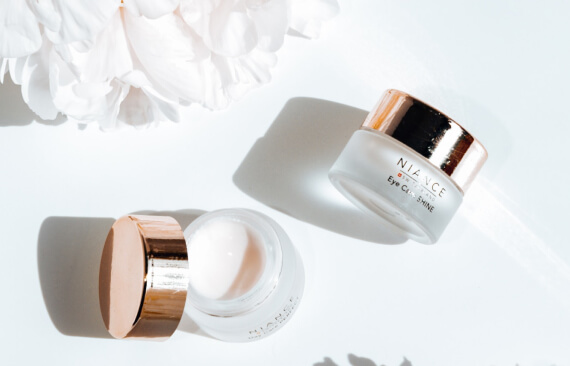
prevention cannot stop time, it dramatically slows its visible march, making any subsequent treatments more effective and longer-lasting.For wrinkles that have already established their presence, the modern landscape offers a spectrum of professional treatments, each with its own mechanism and ideal application. Topical retinoids, derived from vitamin A, remain the gold standard in prescription skincare. By encouraging cellular turnover and stimulating collagen production deep within the skin, products like tretinoin can gradually soften fine lines and improve overall texture. However, their potency requires careful use around the eyes, often under a dermatologist’s guidance. For more immediate but subtle improvements, neuromodulator injections such as Botox are highly effective for dynamic wrinkles—those caused by muscle movement when smiling or squinting. By temporarily relaxing the underlying muscles, these treatments smooth existing lines and prevent them from deepening. To address static wrinkles and skin laxity, a variety of collagen-stimulating procedures exist. These include laser resurfacing, which removes damaged outer layers to reveal smoother skin, and radiofrequency microneedling, which delivers energy beneath the surface to tighten and remodel tissue. The choice among these depends on the wrinkle type, skin condition, and desired downtime, making a consultation with a board-certified dermatologist or plastic surgeon essential.Crucially, any aggressive treatment must be supported by a conscientious daily regimen tailored to the eye area’s fragility. The daily use of a dedicated eye cream, while not a standalone solution, plays a valuable supporting role. Formulations containing peptides can signal collagen support, antioxidants like vitamin C combat daily oxidative stress, and humectants such as
hyaluronic acid provide plumping hydration. The application technique is as important as the product itself; using the ring finger to gently pat—not rub—product from the inner corner outward minimizes tugging and trauma. Furthermore, selecting non-comedogenic makeup removers and employing a gentle, nourishing moisturizer helps maintain the skin barrier’s integrity.In conclusion, the best way to treat wrinkles around the
eyes is not to pursue a single, isolated solution but to adopt a holistic and patient hierarchy of care. This philosophy begins with unwavering prevention, leverages professional treatments to target specific concerns with precision, and is upheld by a gentle, nourishing daily routine. By understanding that these strategies work in concert—where sunscreen and lifestyle form the bedrock, clinical procedures provide targeted correction, and appropriate skincare offers daily support—one can navigate the options with realistic expectations. The ultimate goal is not the pursuit of perfection, but the cultivation of healthy, resilient skin that reflects a comprehensive commitment to care over time.