As the vibrant greens of summer give way to the fiery palette of autumn, our skin signals a need for change that is as undeniable as the crispness in the air. The transition between seasons is not merely a visual spectacle but a physiological shift for our body’s largest organ. Consequently, adjusting your moisturizer is not a luxury but a necessity for maintaining a healthy, resilient complexion. The fundamental shift lies in moving from lightweight, often water-based hydration to richer, more reparative formulations that address the unique challenges of cooler, drier weather.
The primary environmental factors of autumn necessitate this skincare pivot. As temperatures drop, so does humidity, both outdoors and indoors where heating systems begin to parch the air. This double assault strips the skin of its natural moisture, compromising the lipid barrier—the essential protective layer that keeps hydration in and irritants out. The summer moisturizer that once provided sufficient, non-greasy hydration may now leave your skin feeling tight, flaky, or uncomfortably sensitive. Furthermore, autumn often brings blustery winds that can cause chapping and irritation, particularly on exposed areas like the cheeks and lips. Your skin is essentially calling for reinforcements, and your moisturizer should answer that call with a more substantial, barrier-supporting formula.
The key is to seek out products with a different roster of active ingredients, focusing on humectants, emollients, and occlusives in a more balanced synergy. Continue to include humectants like hyaluronic acid and glycerin, which are brilliant at drawing water into the skin. However, in drier air, they require support to prevent them from pulling moisture from deeper layers of the skin. This is where emollients and occlusives become crucial. Look for nourishing emollients such as ceramides, fatty acids, and squalane, which smooth and repair the cracked spaces between skin cells, essentially “filling in” the damaged barrier. Then, a gentle occlusive ingredient like shea butter, jojoba oil, or even a light petrolatum derivative can provide a protective seal over the top, locking all that valuable hydration in place. This combination mimics and strengthens the skin’s natural protective function.
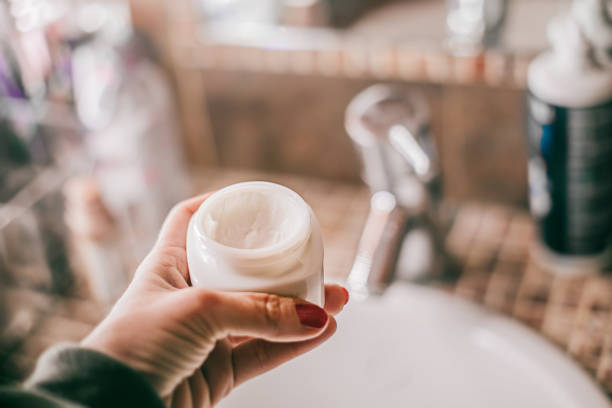
The texture of your moisturizer will naturally evolve with its ingredient profile. You will likely find yourself transitioning from gels or fluid lotions to richer creams or even balms for particularly dry areas. A good practice is to layer your products, perhaps using a hydrating serum packed with humectants followed by a more substantial cream. Do not neglect your nighttime routine; this is an ideal opportunity to use a more intensive treatment, allowing its reparative properties to work uninterrupted while you sleep. It is also the perfect season to reintroduce facial oils, either mixed with your cream or applied sparingly as a final step, to boost lipid content and impart a vital glow against the season’s greying skies.
Ultimately, listening to your skin is paramount. The shift need not be abrupt; begin by introducing your richer moisturizer in the evenings or on days when your skin feels particularly stressed. Pay attention to how different areas of your face respond—you may find the classic “combination” skin pattern emerges, requiring a lighter touch on the T-zone and a richer application on the cheeks. By acknowledging autumn’s environmental impact and proactively adapting your moisturizer, you do more than prevent dryness. You support your skin’s integrity, ensuring it remains comfortable, protected, and radiant through the seasonal shift and beyond, into the even harsher climate of winter. This mindful adjustment is the cornerstone of a resilient, year-round skincare strategy.