The arrival of winter brings with it a shift in our skincare routines, as we trade lightweight lotions for richer creams and become more vigilant about hydration. Amidst this seasonal transition, a common question arises for those dedicated to their anti-aging or acne-fighting regimens: can I continue using retinol in winter? The answer is a resounding yes, but with crucial seasonal adjustments. Retinol remains a powerhouse ingredient regardless of the calendar month, yet its successful integration into your cold-weather routine hinges on a strategy of moderation, enhanced nourishment, and relentless sun protection.
Retinol, a derivative of vitamin A, works by accelerating skin cell turnover, promoting collagen production, and unclogging pores. These benefits do not vanish when the temperature drops. In fact, winter can sometimes be an ideal time to either start retinol or maintain its use, as we tend to spend less time in direct sunlight, a key factor in retinol-related sensitivity. However, the environmental challenges of winter—namely, cold winds, dry indoor heating, and low humidity—create a perfect storm for skin barrier compromise. Retinol itself can be initially drying and irritating, so combining its effects with harsh winter conditions can potentially lead to redness, flaking, and discomfort if not managed carefully. The goal, therefore, is not to abandon retinol but to deploy it more intelligently.
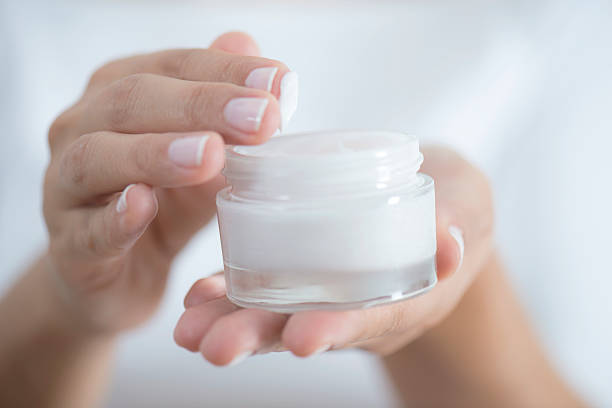
The cornerstone of winter retinol use is a fortified skincare routine that prioritizes barrier repair and hydration. This often means adjusting the frequency of application. If you were using retinol every night in the summer, consider scaling back to every other night or even twice a week during the harshest winter weeks, listening closely to your skin’s signals. On your “off” nights, focus on recovery with ingredients like ceramides, peptides, and hyaluronic acid, which replenish and retain moisture without conflict. Furthermore, the application technique becomes paramount. The “sandwich method”—applying a layer of moisturizer, followed by retinol, and then another layer of moisturizer—can be exceptionally helpful in winter. This buffers the retinol’s potency slightly, minimizing irritation while ensuring the skin receives ample hydration.
Perhaps the most persistent and dangerous myth is that sunscreen becomes optional in winter. This could not be further from the truth, especially for retinol users. Retinol increases the skin’s photosensitivity, making it more vulnerable to UV damage year-round. Harmful UVA rays, which penetrate clouds and glass and are primarily responsible for aging, remain constant throughout all seasons. Snow can even reflect up to 80% of UV radiation, increasing exposure. Therefore, daily application of a broad-spectrum SPF 30 or higher is non-negotiable. This single step protects your skin’s health, preserves the benefits of your retinol investment, and prevents the hyperpigmentation and damage you are likely using retinol to correct in the first place.
Ultimately, a proactive and observant approach allows you to reap retinol’s rewards all winter long. Pay close attention to how your skin feels. Signs of excessive tightness, stinging, or peeling are indicators to pull back on frequency and ramp up moisturization. Consider switching to a gentler, cream-based retinol formula if you typically use a serum, and always apply your retinol product at night. By treating your winter skin with a little more kindness and a lot more hydration, you can maintain your progress without sacrificing comfort. Retinol is a marathon, not a sprint, and adjusting your pace for seasonal conditions is a sign of skincare wisdom, not abandonment. With mindful modifications, you can confidently continue your retinol journey through the frostiest months, emerging in spring with skin that is not only clear and rejuvenated but also healthily resilient.