You probably spend a lot of time thinking about what you put on your face. Serums, creams, and fancy
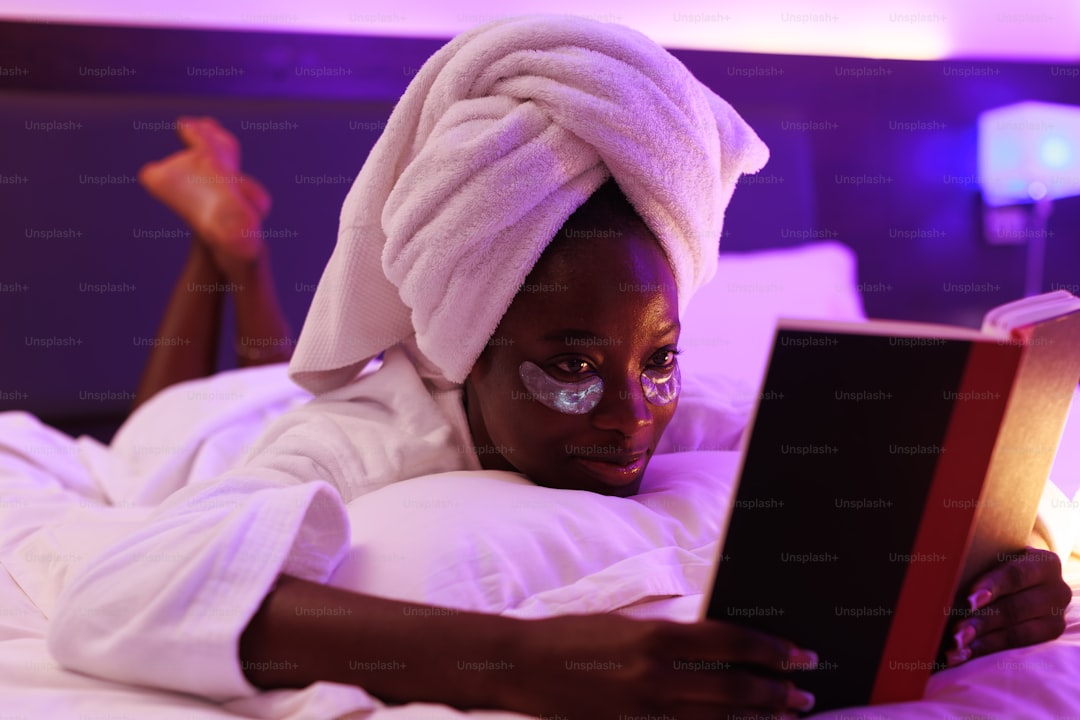
masks all promise younger-looking skin. But what about what you do to your face every single night for hours without even thinking about it? Your sleeping position may be quietly causing the very wrinkles you are trying to avoid. And the good news is, this is one habit you can fix without spending a dime.Think about how you sleep. Do you curl up on your side with your face smooshed into the pillow? Or do you lie flat on your stomach with your cheek pressed down? If you do either of those things, your skin gets squished, folded, and creased for seven or eight hours straight. Over time, those creases stop bouncing back. They become permanent lines on your face. This is called sleep wrinkles, and they are different from the wrinkles you get from smiling or squinting. Those expression lines come from muscle movement. Sleep wrinkles come from pressure and friction. And they are totally preventable.The fix is simple: sleep on your back. That is it. When you lie face-up, there is nothing pressing into your skin. No folds, no creases, no rubbing. Your face rests naturally, and your skin has a chance to do its repair work without any interference from your pillow. Think of it like this: if you fold a piece of paper and leave a heavy book on it all night, the crease stays. Same thing with your face. Sleeping on your back keeps the paper flat.Now, I know what you are thinking. Maybe you have been a side sleeper your whole life. Maybe you cannot
fall asleep any other way. That is okay. You can train yourself to get used to it, and it is worth the effort. Start by propping a pillow behind your knees. That little trick takes pressure off your lower back and makes lying on your back more comfortable. You can also put pillows on both sides of your body to stop yourself from rolling over during the night. Some people tuck a rolled-up towel under their
neck for extra support. Give yourself a few weeks, and your body will adjust. You might even find you sleep better because your spine stays aligned.If you absolutely cannot sleep on your back, do not give up. There are other ways to protect your skin at night. The biggest one is your pillowcase. Swap your cotton pillowcase for a silk or satin one. Cotton is rough and grabs your skin. It creates friction that pulls and drags on your face as you move. Silk and satin are smooth. Your face glides over them, so there is less tugging and less folding. Silk also helps keep moisture in your skin because it does not soak up your night cream the way cotton does. This is a small change that makes a big difference, especially for side sleepers.Another thing to think about is your bedtime routine. If you are sleeping on your back, you want your skin to be ready for that rest. Clean your face gently every night. Do not skip this step. Leaving makeup, dirt, and oil on your face is like letting sandpaper rub into those creases all night long. Use a mild cleanser, then apply a light moisturizer. If you use a night cream with ingredients like peptides or ceramides, that is great, but you do not need anything fancy. The most important thing is that your skin is clean and hydrated before you hit the pillow. Dry skin creases more easily than hydrated skin.You might also want to think about your bedroom. Dry air can suck moisture out of your skin while you sleep, which makes wrinkles more likely. If your room feels dry, especially in the winter, a simple humidifier can help. It keeps the air moist, so your skin does not
dry out overnight. It is not a miracle fix, but it supports everything else you are doing.Here is the bottom line. You can spend a lot of money on creams and treatments, but if you are smashing your face into a pillow every night, you are working against yourself. Sleeping on your back is free, easy, and effective. It gives your skin a break from the pressure that causes wrinkles. Pair that with a silk pillowcase and a simple nighttime wash, and you have a solid plan.Your face does a lot of work during the day. At night, it deserves a rest. Give it that by letting it lie flat, clean, and supported. You might wake up with fewer lines, better sleep, and a clear reason to smile.