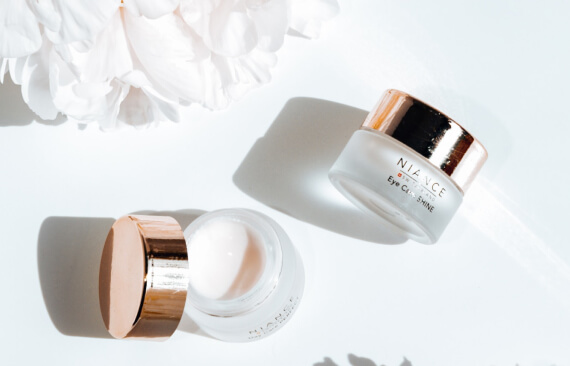
Let’s be honest. You spend good money on creams, serums, and fancy facials. You never skip your morning moisturizer. You even dab on that eye cream twice a day. But if you’re still seeing new lines and creases show up, there’s one thing you might be overlooking: your pillow. Actually, your whole sleep routine. The truth is, no product in a jar can undo what a bad night of sleep does to your face. And the best part? Fixing your sleep habits costs way less than a new
anti-aging cream.Here’s what happens when you sleep. Your body goes into repair mode. Skin cells get to work fixing damage from the day. That sun you got walking to the car? Your body deals with it while you’re dreaming. Collagen, the stuff that keeps your skin plump and smooth, gets a boost too. But if you don’t sleep enough, or if you sleep badly, that repair work cuts way back. Instead of fresh, bouncy skin, you wake up looking tired and puffy. And over time, those temporary creases from your pillow turn into real wrinkles that stay.The first thing to look at is your sleep position. If you sleep on your side or your stomach, you’re pressing your face into the pillow for hours. Every night, that pressure creates lines. They might fade when you get up, but after years of the same sleep position, those lines set in. The fix is simple: try sleeping on your back. It sounds hard if you’ve always been a side sleeper, but you can train yourself. Put a couple of pillows behind you to keep from rolling over. Or use a special memory foam pillow that cradles your head and keeps your face off the fabric. It takes a week or two to get used to, but your skin will thank you.Next up is your pillowcase. Regular cotton pillowcases soak up your skin’s moisture while you sleep. They also create friction, which can wrinkle your skin and even break your hair. A quick upgrade is a silk or satin pillowcase. Silk is smoother and doesn’t pull at your skin. It also helps your products stay on your face instead of rubbing off onto the fabric. Yes, silk pillowcases cost a bit more than cotton ones. But they last a long time, and they’re way cheaper than a botox session.What about the air in your bedroom? Dry air can suck the moisture right out of your skin overnight. You wake up with that tight, itchy feeling around your
eyes and mouth. That’s a fast track to fine lines. A simple humidifier in your bedroom adds moisture back into the air. You don’t need an expensive one. A basic model that runs quietly while you sleep does the trick. Keep it near your bed and fill it with clean water. Your skin will stay hydrated all night long.Now, let’s talk about how many hours you actually sleep. Seven to nine hours is the sweet spot for skin repair. Less than that, and your body doesn’t have time to finish its nightly maintenance. You might think you can catch up on weekends, but that yo-yo pattern is almost as bad as not sleeping enough. Your skin likes a steady routine. Going to bed and waking up around the same time helps your body know when to start repairing. So set a realistic bedtime you can stick to. Yes, even on Friday nights.One more thing: what you do right before bed matters a lot. Late-night screen time with your phone or tablet keeps your brain wired. The blue light from screens can mess with your body’s sleep hormone. That means you take longer to
fall asleep and get less deep sleep. If you can, put down your phone at least thirty minutes before you turn out the lights. Read a book, do some gentle stretches, or just sit in the dark and think. Your skin will get the deep rest it needs.Also, watch what you eat and drink before bed. A big meal or a glass of wine might help you feel sleepy, but it doesn’t help your skin. Alcohol dehydrates you, and dehydrated skin shows every little line. Caffeine hides in chocolate and some teas too. Try to stop eating and drinking anything but water a couple of hours before bed. Your skin will be more plump and less puffy when you wake up.Don’t forget about your bedding in general. If your sheets and blankets are rough or too hot, you’ll toss and turn all night. That movement rubs your face against the pillow even more. Choose soft, breathable fabrics like bamboo or high-quality cotton. Keep your bedroom cool, around 65 to 68 degrees Fahrenheit. A cooler room helps you
fall into deeper sleep, which is when your skin does its best repair work.The real secret here is simple: you don’t need a drawer full of expensive creams to prevent wrinkles. You need good sleep habits. They cost almost nothing, and they work every single night. So tonight, try sleeping on your back, swap your pillowcase for silk, and put the phone away. Your face will look smoother, brighter, and younger tomorrow morning. And that’s way better than any jar promise.