In the ever-evolving landscape of skincare, the quest for effective, gentle exfoliation has led to a proliferation of tools, from traditional washcloths to abrasive scrubs and sophisticated electronic devices. Among these, silicone scrubbers have emerged as a popular contender, promising a deep clean without the harshness. But are these pliable, often vibratory
tools truly effective for exfoliation? The answer is nuanced, revealing that while silicone scrubbers offer distinct advantages, their efficacy depends largely on understanding what type of exfoliation they provide and how they compare to traditional methods.Fundamentally, exfoliation is the process of removing dead skin cells from the surface of the epidermis. This can be achieved chemically, using acids and enzymes, or mechanically, through physical abrasion. Silicone scrubbers
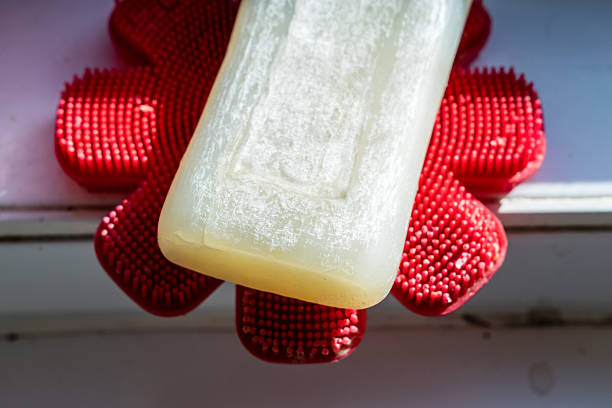
fall into the latter category. Their surfaces are dotted with soft, flexible bristles or nubs that, when massaged over damp skin with a cleanser, help to dislodge debris, oil, and dead cells. This mechanical action provides a level of physical exfoliation that is generally more consistent and hygienic than using one’s fingers alone. The primary effectiveness of a silicone scrubber lies in this enhanced cleansing ability, which can prevent pore congestion and create a smoother canvas for subsequent skincare products.However, it is crucial to temper expectations regarding the depth of exfoliation. Compared to coarse sugar scrubs, rough loofahs, or stiff-bristled brushes, silicone scrubbers are exceptionally gentle. Their silicone nubs are non-porous and far less abrasive than natural or synthetic alternatives. For individuals with sensitive, rosacea-prone, or acneic skin, this gentleness is the tool’s greatest strength. It provides a light, daily exfoliation that minimizes irritation and inflammation, which can be exacerbated by harsher methods. In this context, silicone scrubbers are highly effective for maintaining clear skin without compromising the skin barrier, a critical factor in overall skin health.The hygienic benefits of silicone scrubbers also contribute significantly to their effectiveness. Unlike traditional washcloths or loofahs, which can harbor bacteria, mold, and mildew in their damp fibers, silicone is non-porous and antimicrobial. It dries quickly and can be easily cleaned with soap and hot water or even sterilized, reducing the risk of introducing pathogens to the skin. For those managing acne, this is a substantial advantage, as it prevents the tool itself from becoming a source of recurring breakouts. Furthermore, the ease of cleaning ensures that the exfoliating action remains consistent over time, unlike a loofah that degrades and becomes less effective.Yet, for those seeking a more intense, resurfacing level of exfoliation to address concerns like deep hyperpigmentation, pronounced texture, or flaky patches, a silicone scrubber may feel insufficient. Its action is superficial, designed for daily maintenance rather than transformative results. In such cases, chemical exfoliants (AHAs, BHAs) or professional treatments may be necessary to achieve deeper cellular turnover. The silicone tool can, however, be an excellent companion to these stronger treatments, aiding in gentle cleansing without causing micro-tears that more abrasive
tools might inflict on sensitized skin.Ultimately, the effectiveness of a silicone scrubber for exfoliation is measured by its alignment with the user’s
skin type and goals. It excels as a tool for consistent, hygienic, and barrier-friendly surface cleansing. It effectively removes daily impurities and provides a mild mechanical exfoliation that promotes radiance and product absorption for most skin types, particularly sensitive ones. While it may not replace the need for deeper exfoliating modalities, it represents a smart, modern approach to daily skincare maintenance. By offering a controlled, gentle touch that prioritizes skin health over aggressive scrubbing, the silicone scrubber has rightfully earned its place as an effective and thoughtful tool in the contemporary exfoliation repertoire.