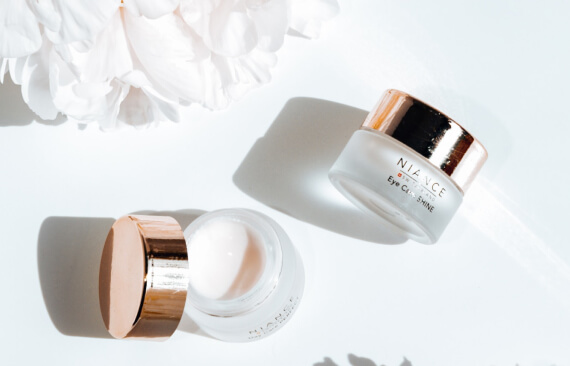
You might think the key to great skin is all about what you put on your face. Expensive creams, fancy serums, and those little glass bottles with droppers. Many
women spend a small fortune on skincare, chasing that smooth, glowing look. But there is one thing that does more for your face than any bottle in your bathroom cabinet, and it costs you absolutely nothing. Your sleep.Think about it. When you are exhausted and running on four hours of rest, your skin shows it. You see it in the mirror. The
eyes look a little puffy. The lines around your
mouth seem deeper. Your complexion looks dull, like someone turned down the brightness on your face. That is not just in your head. It is biology happening right under your skin.While you sleep, your body goes into repair mode. This is when your skin cells get to work fixing the damage from the day. The sun, the pollution, the stress from work, the late night glass of wine. All of that breaks down the stuff that keeps your face firm and smooth. Your body uses the night hours to make new cells and to build collagen, which is the protein that holds your skin up and keeps wrinkles away.Here is the simple truth. If you do not get enough deep sleep, your body produces too much of a stress hormone called cortisol. High cortisol levels actually break down collagen. So you could be using the best
retinol cream on the planet, but if you are not sleeping, you are basically fighting a losing battle. You are tearing down the house faster than you can build it.Your skin also uses sleep time to balance its moisture. Have you ever woken up with your face feeling tight or dry? That can be a sign that your sleep was not restful enough. During good, deep sleep, your body increases blood flow to your skin. That extra blood brings oxygen and nutrients, and it helps your skin hold onto water. When you are sleep deprived, your skin barrier gets weaker. It cannot keep moisture in, and it cannot keep irritants out. That leads to dryness, redness, and more visible fine lines.Now, you might be wondering how much sleep you actually need. The answer for most adult
women is somewhere between seven and nine hours. But it is not just about the hours. It is about the quality. If you wake up five times a night, you are not getting the deep repair stages your skin needs. You might be in bed for eight hours, but your body only got five hours of real work done.So what can you do about it? Start by making your bedroom a calm place. Keep it cool. Your body actually sleeps better when the room is around sixty-five degrees. A cooler room also helps your skin stay less puffy in the morning. Next, be consistent. Your body loves a schedule. Going to bed and waking up at the same time every day, even on weekends, trains your internal clock. That makes it easier to
fall asleep and to stay asleep.Also, think about what you do right before bed. The blue light from your phone or tablet tricks your brain into thinking it is still daytime. That messes with the natural sleep hormone your body makes. Try putting the phone down at least thirty minutes before you close your eyes. Read a book instead. Or take a warm bath. The drop in body temperature after the bath signals your body that it is time to sleep.Do not forget your pillowcase either. Cotton pillowcases can tug at your skin and create creases that turn into wrinkles over time. A silk or satin pillowcase lets your skin slide instead of crunch up while you toss and turn. It is a small switch that makes a real difference.Here is the bottom line. You can spend a lot of money on fancy creams and treatments. They can help. But none of them will work as well as a solid, consistent sleep habit. Your skin repairs itself at night. That is when the magic happens. If you want fewer wrinkles and healthier skin, start by giving your body the rest it is begging for. Your face will thank you in the morning.