You’ve got your fancy moisturizer. You slap it on every night. You even tried that expensive serum your friend swore by. But your skin still feels tight, looks flaky, and those little lines around your
eyes seem to be getting deeper. What gives?Here’s the thing nobody talks about at the skincare counter: your home’s air might be sabotaging all your hard work. And if you’re dealing with
dry skin in 2026, this is probably the biggest piece of the puzzle you’re missing.Think about where you spend most of your time. If you’re like most middle-class
women with a busy life, you’re inside your house or apartment for hours on end. You sleep there. You work from home sometimes. You binge your shows there. And inside that cozy space, the air around you can be a total desert.When
winter hits, you crank up the heat. That warm air blowing through your vents feels great on your toes, but it’s sucking moisture right out of the room. The same thing happens with air conditioning in summer. Both systems remove humidity because water in the air makes your home feel stickier. But that dry, conditioned air sits on your skin all day long, pulling water from your face just like a paper towel pulls up a spill.Your skin has a natural barrier that keeps moisture locked in. It’s like a brick wall with the skin cells as the bricks and natural oils as the mortar. When that
dry air hits your face, the mortar cracks. Moisture escapes. Your skin gets tight, then itchy, then crinkly. Over time, those
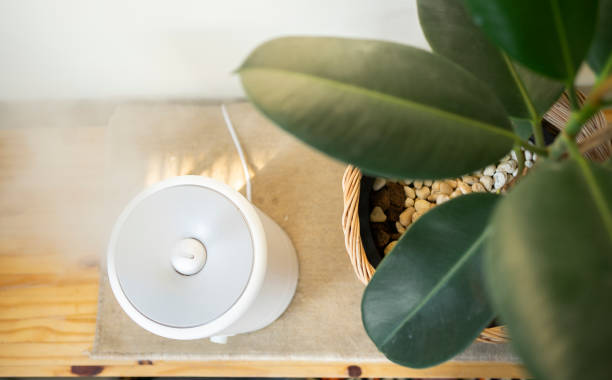
dry patches turn into permanent lines and wrinkles because the skin loses its bounce.This isn’t some new-age mumbo jumbo. It’s basic physics. Dry air takes what it wants.So what can you do about it without turning your home into a swamp or spending a ton of money? The simplest fix is to add moisture back into the air you breathe. A small humidifier in your bedroom can make a massive difference. You don’t need a fancy one. A basic model you fill with tap water and plug in overnight will do the job. Run it while you sleep, and your skin will wake up feeling plump instead of parched.For under a hundred bucks, you get a device that works from the outside in while your creams work from the inside out. That’s a win-win.But here’s the catch: you have to clean that humidifier. If you let it sit for weeks, mold and bacteria can grow inside it. Then instead of clean moisture, you’re blowing gunk onto your face. That can cause breakouts or irritation. So once a week, give it a quick scrub with soap and water. Your skin will thank you.Another sneaky source of
dry air is your bathroom. Hot showers feel amazing, but that
steam disappears fast once you step out. And if you shower first thing in the morning, the
dry air in the rest of your house hits your damp skin like a punch. Try this: leave the bathroom door open after your shower so the steamy air spreads through your home a little. Or better yet, keep your bedroom door closed while you shower, then open it after so the humidity travels to where you’ll be getting dressed.You can also create a mini humidity zone around your desk if you work from home. A small desktop humidifier is cheap and keeps the air moist right where your face sits. Or just put a bowl of water near a vent or radiator. The water evaporates and adds a little moisture. Not perfect, but better than nothing.Now, about your skincare routine. If your home air is dry, you need to change how you apply your products. Putting on cream when your skin is already parched is like trying to fill a bucket with a hole in the bottom. First, get your face slightly damp. Splash some water on it, or spritz a simple facial mist (just water in a spray bottle works fine, no fancy ingredients needed). Then apply your moisturizer while your skin is still a little wet. That helps seal the water in.Also, look at your cleanser. If it makes your face feel squeaky clean after washing, that means it stripped your natural oils. In a dry-home environment, that’s a disaster. Switch to a gentle, cream-based cleanser that leaves your skin feeling soft, not tight. Your face doesn’t need a deep clean every day. Overwashing is a fast track to more dryness and more wrinkles.Finally, don’t forget about what you put on your skin at night. Your air is driest when you sleep because your body isn’t producing as much oil. A heavy night cream or even a thin layer of oil (like plain grapeseed or jojoba oil from the grocery store) can be a lifesaver. It creates a barrier that keeps moisture from escaping while the humidifier pumps water into the air around you.Dry skin isn’t just about what you buy at the store. It’s about the air you live in. Fix that, and you’ll see a real difference in how your face looks and feels. No magic potions required. Just a little awareness and a tool that costs less than a night out.Your skin is trying to tell you something. Listen to the air around you.