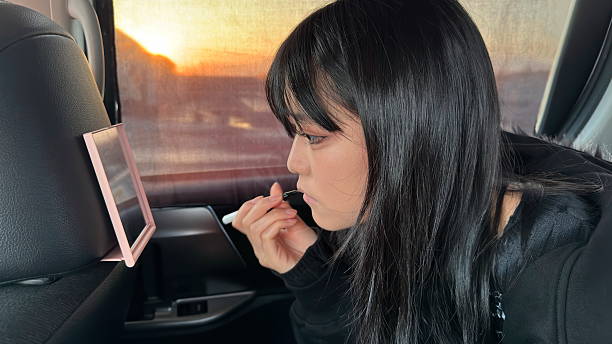
The tween years, a bridge between childhood and adolescence, are marked by significant physical and emotional changes. As skin begins to shift, often showing the first signs of oiliness or blemishes, many tweens are drawn to the colorful, fragrant world of skincare products marketed directly to them. While the intention to care for one’s skin is positive, the reality is that an inappropriate skincare routine can indeed cause significant problems for this delicate age group, often doing more harm than good.
The primary issue stems from the fact that tween skin is in a state of transition. Hormonal fluctuations are just beginning, making the skin more reactive and sensitive than adult skin. Introducing a barrage of potent active ingredients—like harsh exfoliating acids, strong retinoids, or high-percentage benzoyl peroxide—can severely compromise the skin’s fragile moisture barrier. This protective layer, when damaged, leads to redness, stinging, dryness, and increased sensitivity. Ironically, this damage can sometimes trigger more oil production as the skin tries to overcompensate, potentially worsening the very concerns the products aimed to address. Furthermore, the desire for Instagram-worthy routines can lead to product overload, where using too many items at once makes it impossible to identify which product might be causing irritation or a breakout.
Another major concern is the influence of social media trends. Tweens are highly susceptible to viral videos promoting aggressive physical scrubs, DIY concoctions with irritating ingredients like lemon juice, or pore-clogging “slugging” with heavy petroleum jelly. Without guidance, these trends can lead to physical abrasions, chemical burns, or severe acne flare-ups. The skincare market targeting this demographic is also saturated with heavily fragranced products, glittery washes, and colorful masks that prioritize sensory experience over skin health. Fragrance, both synthetic and natural, is a leading cause of allergic contact dermatitis, which can manifest as itchy, inflamed rashes. These products often provide little functional benefit while introducing unnecessary irritants.
Perhaps the most profound problem skincare products can cause for tweens is psychological. The messaging embedded in anti-acne or “pore-perfecting” marketing can implicitly suggest that natural skin texture is something to be fought and eradicated. For a child developing their self-image, this can seed anxiety and a perception that their changing skin is flawed. An unsuccessful or irritating product experience can heighten this distress, making them feel as though they have failed to “fix” themselves. This sets the stage for a lifelong relationship with skin that is based on correction rather than health and care.
This is not to say that tweens should avoid skincare altogether. The goal should be education and simplification. A beneficial routine for tween skin is remarkably straightforward: a gentle, fragrance-free cleanser, a simple moisturizer, and a daily broad-spectrum sunscreen. These three steps support the skin’s barrier, protect from environmental damage, and manage basic hygiene without overwhelming it. When specific concerns like noticeable acne arise, consultation with a pediatrician or dermatologist is far safer than experimenting with over-the-counter treatments. A professional can recommend a single, targeted product suitable for young skin.
Ultimately, while skincare products have the potential to cause physical problems like irritation, barrier damage, and worsened breakouts for tween skin, the greater risk may be launching a young person on a confusing, costly, and emotionally fraught journey. The healthiest approach is to foster an ethos of gentle maintenance and sun protection, emphasizing that skincare is about nurturing their skin’s health, not chasing an impossible standard of perfection. By guiding tweens toward simplicity and science-backed basics, we can help them build positive habits that will support their skin’s health far beyond these transitional years.