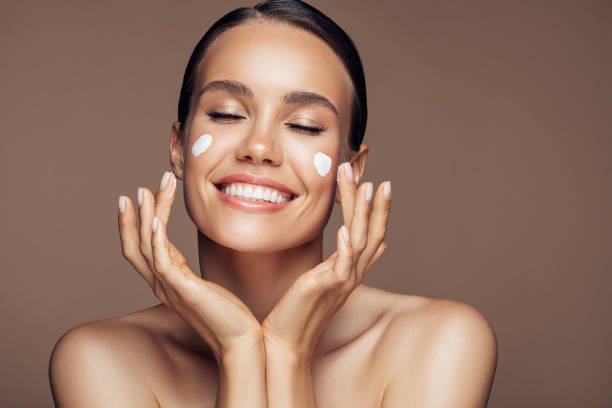
The quest for smooth, youthful skin has long been a focus of both personal care and scientific inquiry, with countless products and procedures promising to turn back the clock. While serums and creams line the shelves, one of the most fundamental and powerful anti-wrinkle strategies is remarkably simple: hydration. The link between adequate hydration and the prevention of wrinkles is deeply rooted in the skin’s biological structure and function, demonstrating that water is not merely a life-sustaining substance but a critical component in maintaining skin’s resilience and youthful appearance.
At its core, the skin is the body’s largest organ, and its outermost layer, the stratum corneum, acts as a barrier that is highly dependent on water content. When the skin is optimally hydrated, it appears plump, smooth, and luminous. This plumpness is a direct result of water filling the skin’s tissues, much like a grape is full and taut compared to a raisin. This analogy is particularly apt because it highlights the visual impact of hydration on surface lines. Well-hydrated skin cells swell slightly, effectively pushing outwards and causing fine lines and creases to become less visible. Consequently, even existing wrinkles appear softened and diminished when the skin is sufficiently moist, offering an immediate, though temporary, aesthetic benefit that underscores the importance of consistent hydration.
Beyond this surface-level plumping, however, lies a more profound and long-term mechanism. The skin’s dermis, the layer beneath the epidermis, contains the structural proteins collagen and elastin. These proteins are responsible for the skin’s strength, firmness, and elasticity—its ability to bounce back after being stretched. Chronic dehydration stresses the skin at a cellular level. When the body is deprived of adequate water, it prioritizes vital organs, diverting moisture away from the skin. This deficit impairs the function of fibroblasts, the cells that produce collagen and elastin. Over time, a dehydrated state can lead to a slower rate of collagen synthesis and a degradation of the existing supportive matrix. As this framework weakens, the skin becomes more prone to sagging and the formation of permanent, deeper wrinkles.
Furthermore, a robust moisture barrier is essential for protecting the skin from the very environmental aggressors that accelerate aging. A well-hydrated stratum corneum, supported by natural lipids, functions efficiently as a shield. It keeps essential moisture locked in while blocking out pollutants, irritants, and microbes that can cause inflammation. Chronic inflammation is a known driver of premature aging, often referred to as “inflammaging.“ It generates free radicals that break down collagen and elastin. When the skin is dehydrated, this barrier is compromised, becoming leaky and inefficient. This leaves the deeper layers more vulnerable to damage from ultraviolet radiation, which is the primary external cause of wrinkles and photoaging. Therefore, hydration serves as a foundational form of defense, fortifying the skin’s natural armor against daily assaults.
Achieving this protective, wrinkle-preventing hydration is a two-fold process involving internal and external strategies. Drinking sufficient water throughout the day is paramount, as it ensures that all bodily systems, including the skin cells, have the fluid they need to function and regenerate. Yet, topical hydration is equally crucial. Ingredients like hyaluronic acid, glycerin, and ceramides work by attracting water to the skin’s surface and sealing it in. They complement internal hydration by directly reinforcing the skin’s moisture barrier, creating an environment where cells can thrive. This synergistic approach ensures the skin remains resilient and supple.
Ultimately, while genetics and sun exposure play undeniable roles in skin aging, hydration is a powerful, modifiable factor within our control. It is a preventative cornerstone, not a mythical fountain of youth but a scientifically-supported practice. By maintaining optimal hydration, we support the skin’s structural integrity, enhance its protective capabilities, and preserve the plump, smooth canvas that defines a youthful complexion. In the landscape of anti-aging, a simple glass of water and a good moisturizer remain among the most effective tools for keeping wrinkles from taking hold.