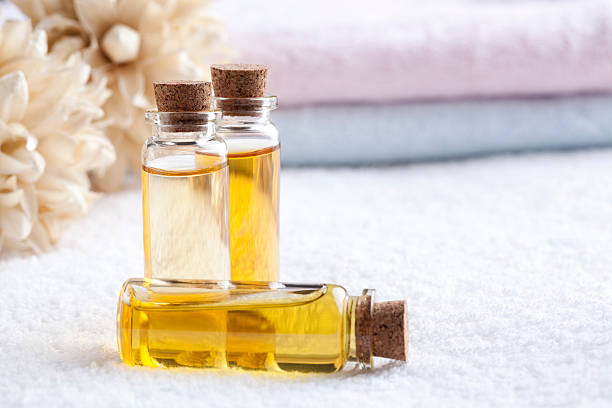
The quest for youthful, smooth skin has long been a focus of skincare, with countless products promising to turn back the clock. Among the most ancient and effective allies in this endeavor are plant and seed oils. Far from being mere moisturizers, certain oils play a multifaceted and scientifically-supported role in preventing the formation of wrinkles, acting as both a protective shield and a nourishing treatment for the skin’s complex architecture.At its core, wrinkle formation is driven by both intrinsic aging and extrinsic factors, primarily photodamage from sun exposure. These processes break down the skin’s critical support structures: collagen and elastin fibers. This is where oils demonstrate their first preventative power through potent antioxidant activity. Many oils, such as argan, rosehip, and sea buckthorn, are rich in vitamins like E, C, and A (in the form of carotenoids), as well as phenolic compounds. These antioxidants neutralize free radicals—unstable molecules generated by UV radiation and pollution—that would otherwise damage skin cells and degrade collagen. By scavenging these free radicals, oils help to preserve the skin’s structural integrity from the inside out, slowing one of the key drivers of fine lines.Furthermore, oils excel at reinforcing the skin’s natural barrier function. The outermost layer of the skin, the stratum corneum, is composed of skin cells held together by lipids, essentially a “mortar” of natural oils. Harsh cleansers and environmental stressors can strip these lipids, leading to transepidermal water loss (TEWL). When the skin is dehydrated and its barrier is compromised, it becomes more vulnerable to inflammation and damage, which can accelerate aging. Nutrient-dense oils like jojoba, squalane (often derived from olive), and marula oil are remarkably similar to the skin’s own sebum. When applied topically, they integrate into the skin barrier, repairing and strengthening it. This enhanced barrier more effectively locks in hydration, maintaining skin plumpness. Well-hydrated skin appears smoother and fuller, making fine lines less visible and creating an environment less conducive to their permanent etching.Certain oils also offer direct
anti-aging benefits through their unique fatty acid profiles and bioactive compounds. For instance, rosehip oil is a notable source of trans-retinoic acid, a form of vitamin A that encourages cell turnover and supports collagen production. Similarly, pomegranate seed oil contains punicic acid, an omega-5 fatty acid with demonstrated anti-inflammatory and collagen-stimulating properties. Oils high in linoleic acid, like safflower or evening primrose oil, can help support a healthy skin barrier and possess anti-inflammatory qualities, calming the low-grade inflammation that contributes to premature aging. It is this ability to not only protect but also gently encourage the skin’s own regenerative processes that sets certain oils apart from simple occlusive agents.However, the role of oils in wrinkle
prevention is not a one-size-fits-all solution. Their efficacy depends heavily on the specific oil’s composition and the individual’s skin type. For optimal results, oils should be viewed as a synergistic component within a broader
anti-aging strategy. This includes diligent daily sun protection with a broad-spectrum sunscreen, as no oil can block UV rays sufficiently on its own. Additionally, oils are most effective when applied to damp skin, as this helps seal in the existing hydration. Ultimately, by offering a combination of antioxidant protection, barrier reinforcement, deep nourishment, and bioactive support, natural oils serve as a powerful, holistic tool in the preventative skincare arsenal. They work in harmony with the skin’s biology to fortify its defenses, ensuring it remains resilient, hydrated, and better equipped to maintain its smooth, youthful appearance over time.