Let’s be honest. We’ve all bought a face mask on a whim, slathered it on during a Netflix binge, and then promptly forgotten about it until the jar gets pushed to the back of the bathroom cabinet. You’re not lazy—you’re just smart enough to know that a mask won’t magically erase years of sun damage or bad sleep. But here’s the thing no one tells you: when you use the right mask the right way, once a week, it can give your entire routine a serious edge. Especially if your goal is keeping those little lines from turning into permanent fixtures.
Masking is the weekly boost that your daily cleanser, serum, and moisturizer can’t always deliver on their own. Think of it like that extra hour of practice before a big presentation, or the one ingredient that turns a good recipe into a memorable dinner. Your daily routine maintains the baseline. Your mask pushes things further. For wrinkle prevention, the magic comes down to two simple actions: giving your skin a deep, concentrated hit of moisture and reminding it to hold onto that hydration for longer than usual. Dehydrated skin makes fine lines look deeper and more pronounced. Plump skin reflects light better and looks firmer. You don’t need fancy peptides or retinol cocktails to get that effect—you just need a mask that knows how to hydrate without suffocating your skin.
The tricky part is picking the right one. Walk into any drugstore or scroll through any beauty site and you’ll be hit with clay masks, gel masks, sheet masks, overnight masks, and some that seem to do everything at once. Stop there. Ask yourself one question: what does my skin need most this week? If your face feels tight, looks dull, or has those annoying dry patches around your cheeks, skip anything clay-based. Clay masks are great for drawing out excess oil and clearing pores, but they can also pull out the moisture you’re trying to keep in. For wrinkle prevention, your default should almost always be a hydrating mask—the gel or cream kind that feels cool and soothing, not like a thick paste that cracks when you smile.
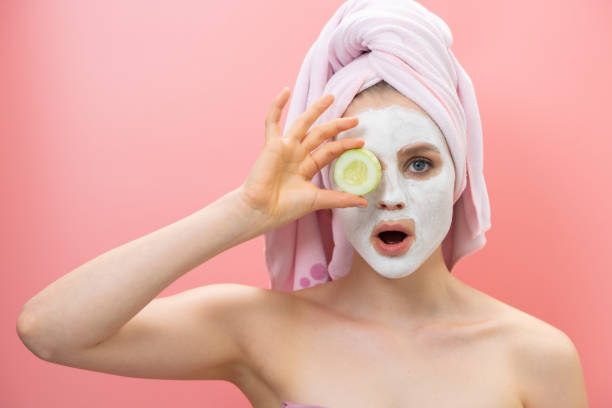
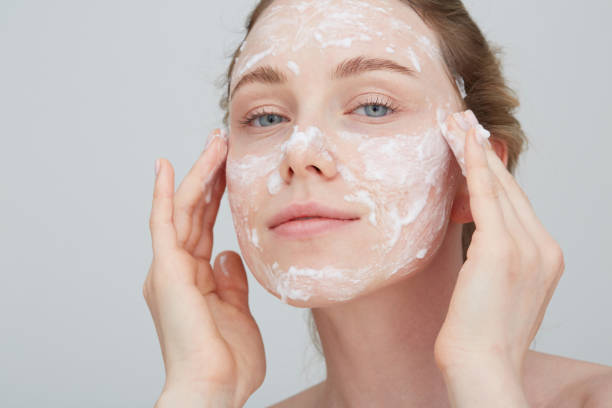
So here’s how you make masking actually work. Start with a clean face. A quick splash with lukewarm water is fine, but if you’ve been wearing makeup or sunscreen all day, do a full cleanse first. Pat your skin dry—don’t rub. Then apply your mask in a generous, even layer. No need for a brush or fancy spatula, but your fingers do a fine job as long as they’re clean. Now, here’s the step most people skip: read the package for how long to leave it on. Ten minutes is not the same as twenty. And twenty minutes is not the same as leaving it on until you remember. For gel masks, set a timer. For cream or overnight masks, you’re looking at a different game. Overnight masks are the secret weapon of anyone who wants to wake up looking like they actually slept eight hours. You put a thin layer on as the last step of your evening routine, let it sink in while you watch one more episode, and then wash it off in the morning. It’s less messy than a sheet mask and far more effective than a quick ten-minute fix, because that extended contact means the ingredients have real time to work.
But while you’re enjoying your mask, don’t turn it into a science experiment. More is not better. A thick cake of mask won’t give you double the benefits; it will just sit there feeling sticky. And please, whatever you do, don’t leave a clay mask on until it forms spiderweb cracks across your face. That’s not detoxifying—that’s stripping your skin and triggering the very dryness that makes fine lines more visible. If you have oily skin and want the pore-clearing effect of clay, limit it to your T-zone and only a few once a month, not every week. Your cheeks and jawline are probably craving hydration, not harsh suction.
You also have to think about the rest of your weekly routine. Masking works best when it happens on a day when you’re not layering on exfoliating acids or strong actives. Give your skin a break. Use your Sunday evening to cleanse, mask, and then just apply a moisturizer on top. That’s it. No serum roulette, no trying three new products at once. Consistency beats novelty. If you only mask once a week, keep it at the same time each week so it becomes a habit, like that Sunday bath or your Friday takeout order. Your skin doesn’t crave surprises. It craves routine.
Here’s the final truth: masking for enhanced results isn’t about buying the most expensive jar or the one with the most sci-fi packaging. It’s about being smart with what you already have. Pick one masking day. Choose a hydrating formula that feels good on your skin. Apply it with the same care you’d give a good haircare product, leave it on for the right length of time, and then rinse or pat it in without any guilt. Do that for a month, and you’ll notice the difference. Your skin looks smoother, your fine lines soften, and you start to understand why people call this self-care, not maintenance. Because it is. It’s a half hour where you stop asking your skin to be something it’s not and instead just give it exactly what it needs. That’s the real luxury. And in the battle against wrinkles, a weekly dose of that mindset is worth more than any miracle cream.