You already know the basics. Cleanse morning and night. Moisturize. Wear sunscreen. Maybe a serum if you’re feeling fancy. But even the best daily routine can use a little backup. That’s where weekly masking comes in. Think of it as a concentrated boost, one evening a week when your skin gets something extra to target the issues daily products can’t quite reach: dullness, tightness, tiredness, and those first little lines that appear when you smile too hard or sleep too little. This isn’t about turning your bathroom into a spa. It’s a practical, effective way to get more from the routine you already have.
The reason a weekly mask works is simple. Your skin naturally sheds old cells, but that process slows down as you age and as life gets busy. Dead cells pile up on the surface, which makes your complexion look flat and makes fine lines more noticeable. Your daily cleanser handles the top layer, but sometimes your skin needs a stronger nudge. A mask is that nudge. It clears away the buildup so the moisturizer and serum you apply afterward can actually sink in and do their job. Think of it this way: your daily routine is the meal, and the mask is the multivitamin. It doesn’t replace anything. It just fills in the gaps.
Now, the big question: which mask should you choose? Don’t get overwhelmed by the wall of options. The beauty aisle is full of promises, and most of them sound the same. Instead, choose based on what your skin is telling you right now. If your face feels tight after cleansing, or looks a little crepey around your eyes and mouth, go for a creamy hydrating mask with ceramides and hyaluronic acid. Those ingredients pull water into the skin and hold it there, plumping up fine lines temporarily and making your whole face look more rested. If your skin feels congested, with clogged pores around your nose or chin, use a clay or charcoal mask, but only on those spots. A thin layer, ten minutes, rinse. You don’t need to dry out your entire face if only your T-zone needs attention.
The best time to do it is whenever you can actually follow through. Sunday night before the workweek can be a nice reset. Wednesday afternoon when your skin is dragging can work too. Consistency matters far more than your calendar. Pick one evening, set a phone timer, and stick with it for at least a month. Skin needs time to show improvement, so don’t expect a miracle after one use. What you will notice right away is how smooth and soft your skin feels after rinsing. That’s the sign you’re on the right track.
One of the biggest mistakes women make is treating masking like an extra chore instead of a smart habit. They leave the mask on too long because they get distracted, or they use three different masks in one week trying to fix everything at once. Both of those backfire. A hydrating mask left on until it’s fully dry can pull moisture out of your skin instead of adding it. And too many treatments in a short period can irritate the barrier that keeps your skin calm and protected. If you remember nothing else, remember this: more is not better. More effective is better.
Another mistake is skipping the mask when your skin feels fine. That’s like not watering a plant because it hasn’t wilted yet. Your skin loses moisture every single day, and that loss adds up. By the time you feel tightness or notice new little lines, you’re already playing catch-up. Weekly masking is maintenance, not repair. It helps keep fine lines from turning into deeper creases by giving your skin a regular hit of hydration and gentle exfoliation before it needs it. That’s the real payoff: better results from a routine that’s already working, without adding a bunch of complicated steps.
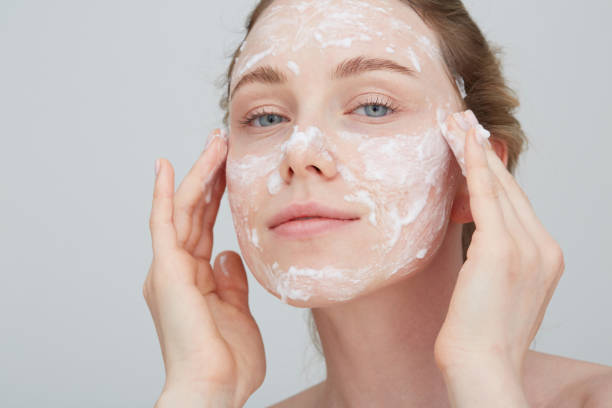
If you’re new to this, start simple. Pick one mask, one night a week. Apply a generous layer to clean, slightly damp skin. Dampness helps the mask’s active ingredients absorb better. Then relax. Rinse with warm water after ten to fifteen minutes and follow with your regular moisturizer. That’s the entire ritual. No tools, no steam, no special techniques. Just a little time and attention. You don’t need to make it a production. You need to make it a habit.
As for sheet masks, they’re fine for travel or a quick prep before an event. But when it comes to long-term benefits, a cream or gel mask that you can leave on and rinse off tends to do more for wrinkle prevention. Sheet masks deliver a lot of serum at once, which feels lovely, but they don’t do much for exfoliation. For smooth, glowing, resilient skin, you want both: a little exfoliation to clear the surface, and a lot of hydration to plump everything up. A weekly mask that combines those two jobs is the workhorse. It keeps your daily skincare from having to carry the whole load by itself.
The truth is, your skin doesn’t need a hundred products. It needs a solid daily routine and one smart weekly boost. Masking is that boost. It’s the difference between a routine that kind of works and a routine that actually shows up. So find your mask, pick your night, and give your skin that regular reset. It’s a small investment of time with visible returns, and you’re worth it.