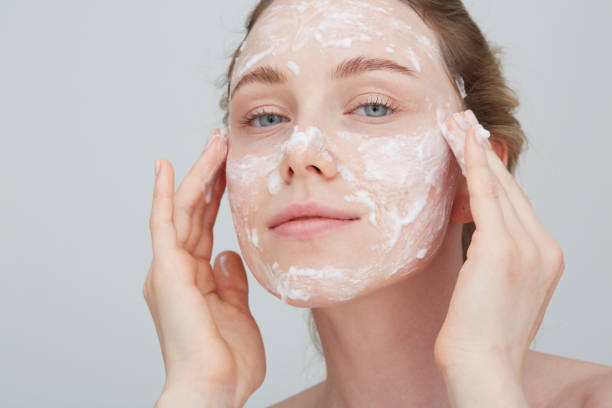
Your daily routine is the workhorse. You cleanse, moisturize, and wear sunscreen. That is what keeps your skin steady over time. A weekly mask is not a magic fix. It is a booster, not a replacement. Think of it as a focused dose of whatever your skin needs this week: moisture, a deeper clean, or a smoother surface. The women who get the best results do not mask every night. They do it once a week, with a little intention.
Start with a clean face. Remove makeup and sunscreen first. There is no need for a ten-step prep. A gentle cleanse and a pat dry are enough. If you are just out of a warm shower, even better. The steam softens your skin and helps a cream or clay mask spread evenly. Skip masking if your skin is stinging, sunburned, or freshly waxed. A mask should feel calming or refreshing, not like punishment.
Choose your mask based on what your skin is doing this week. If your face feels tight and looks dull, reach for a creamy or sheet mask that promises hydration. If your t-zone is oily and your pores look more obvious, a clay mask on those areas can help soak up excess oil. If your skin feels rough, a gentle exfoliating mask can smooth things out. You do not need a cabinet full of options. Two good masks, one hydrating and one deep-cleaning, will cover most weeks.
Apply it properly. A thin, even layer is all you need. More product does not mean better results. Keep it away from your eyes, lips, and hairline, and do not forget your neck. If you use a sheet mask, smooth it down so it makes contact, then press gently. If you use clay, let it dry until it is matte but still slightly flexible. If it starts to crack, it has been on too long. A mask that pulls and tightens is not doing you any favors.
Watch the clock. Most masks need ten to fifteen minutes, not an hour. Read the directions and set a timer. It is easy to get distracted and leave something on until it hardens like cement. If you feel burning, itching, or sharp tingling, take it off right away. When you remove it, use lukewarm water and your fingertips or a soft cloth. No scrubbing. If it is a sheet mask, peel it off and pat the extra liquid into your skin instead of rinsing it away.
The step most people skip is the one that locks in results: moisturizer. As soon as your skin is clean and slightly damp, apply your usual face cream. A mask can add moisture or give a deeper clean, but it cannot seal that work into your skin. Moisturizer does that. If you mask in the morning, follow with sunscreen. If you mask at night, follow with your night cream. This is how a weekly boost turns into visible smoothness instead of a temporary feeling.
For most women, once a week is the sweet spot. If your mask is gentle and hydrating, you can use it twice a week. But daily masking is usually too much. Overdoing it can leave your skin dry, red, and easily irritated. Your skin needs rest days. Think of masking like a weekly treat, not a daily obligation. Pick a night that works for you, maybe Sunday or Wednesday, and make it a habit. Consistency matters more than intensity.
Make the fifteen minutes enjoyable. Put on a podcast, watch a short video, or just lie back. The point is to give your skin a boost while you pause. Afterwards, notice how your face feels. The next morning, it should feel soft, calm, and comfortable. If it feels tight or looks red, your mask was too strong or stayed on too long. Adjust and try again next week.
The goal is enhanced results from your routine. Your daily cleanse, moisturizer, and sunscreen do the work. A weekly mask gives your skin extra attention. Choose the right one, apply it with care, follow with moisturizer, do not overdo it. That is how masking becomes a smart part of your week. Your skin will look rested.