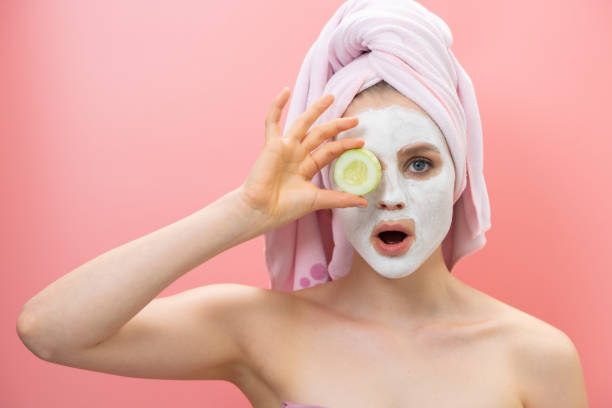
You already wash your face every morning and night. You wear sunscreen like it’s your job. You’ve even gotten into the habit of patting, not rubbing, your moisturizer in. That’s the foundation—solid, dependable, boring in the best way. But here’s where your routine gets to have a little fun without falling into gimmick territory: the weekly mask.
Forget the images you have of green goop drying into cracked plaster or those single-use sheet masks that drip down your neck while you try to read a book. The truth about masking is simpler and more effective than you think. It’s not about pampering yourself into a spa coma. It’s about giving your skin a concentrated hit of what your daily products can’t always deliver, especially when you’re tired, stressed, or just dealing with the fact that your face has been outside in the world all week.
Here’s the secret nobody tells you: your daily moisturizer is like a good, steady meal. It keeps you going. But a mask is a vitamin shot. It’s not meant to replace your routine. It’s meant to jumpstart it. And if you’re a smart woman who values efficiency—which means you don’t have time for products that promise the moon and deliver a puddle—you need to know how to pick the right mask for your actual skin right now, not the skin you had in college or the one you think you’ll have after three more hours of sleep.
Let’s talk about clay masks first. They get a bad rap for being drying, but that’s only because people leave them on for twenty minutes and expect a miracle. Here’s the smarter play: apply a thin layer of a kaolin or bentonite clay mask, set a timer for seven minutes, and rinse. That’s it. Seven minutes is enough to pull excess oil and the day’s grime out of your pores without stripping your skin’s natural moisture barrier. If you have combination skin—oily T-zone, dry cheeks—skip the cheekbones entirely and only apply clay to your nose, forehead, and chin. That’s called being a grown-up about your skincare. You don’t need to treat your whole face like it has the same problems.
On the other end of the spectrum, there are hydrating gel masks. These are your weekend afternoon saviors. You know those days when your skin feels tight after washing, or your foundation looks patchy no matter how much primer you use? That’s dehydration. A gel mask with hyaluronic acid or glycerin—nothing exotic, just proven humectants—can fix that in under ten minutes. Apply it to clean skin, wait until it starts to feel tacky, then rinse. Or don’t rinse. Some gel masks are designed to be tissued off. If you’re at home and don’t have anywhere to be, just leave a thin residue on and seal it with a few drops of facial oil. Your skin will drink it up, and you’ll feel like you’ve hacked the system.
Now, here’s where we get to the part that actually prevents wrinkles, because that’s why you’re here, right? Masking isn’t just about luxury or deep cleaning. It’s about creating a temporary, optimized environment for your skin to repair itself. When you apply a mask, you’re essentially trapping ingredients against your skin at a higher concentration. That means active ingredients like vitamin C for brightness, niacinamide for redness, or peptides for firmness actually have a shot at penetrating deeper than they would in a watery toner. So don’t waste your money on a mask that’s basically a creamy version of your lotion. Read the label. Look for masks with antioxidant-rich fruits, but understand that “natural” doesn’t mean effective. A pumpkin enzyme mask can be lovely if you’re exfoliating gently. But a mashed avocado from your kitchen? That’s a salad, not a skincare product. Your face will not tolerate it the way your stomach will.
The best masking strategy is to treat it like a targeted solution, not a scheduled chore. Some weeks, you’ll need a brightening mask because you have an event and your skin looks dull. Other weeks, a calming mask with oats or aloe is the only thing that will soothe the angry patch that showed up after you tried a new serum. Pay attention to your skin’s mood. It changes with your hormones, your sleep schedule, your alcohol intake, and even the weather. Put your mask on when your skin tells you it needs help. That might mean three times one week and zero the next. That’s not inconsistency. That’s intelligence.
Here’s another thing that separates smart maskers from the pack: temperature. Rinse off your masks with lukewarm water, not hot. Hot water opens your pores too much and can make your skin flush. And never, ever leave a mask on overnight unless the packaging explicitly says it’s an overnight treatment. There’s a myth that leaving a clay mask on longer means deeper results. It just means deeper irritation, along with flaking and redness. Your skin is not a sponge that gets more absorbent over time. It’s a barrier that will eventually fight back. Respect it.
Finally, don’t forget to treat your neck and jawline with the same mask you’re using on your face—unless it’s a strong clay mask, in which case your neck might get too dry. For hydrating masks, though, always take them down your neck and onto your upper chest for a minute. Those areas show age earlier than your forehead, and they rarely get talked about. A good mask routine that includes your neck for five minutes a week is like putting sunscreen on the back of your hands—one of those small moves that pays off big in fifteen years.
So this week, when you have a spare ten minutes while dinner simmers or the kids are distracted, skip the phone scroll. Pull out one mask. Read the directions like you mean it. Set a timer. Rinse. Then go about your evening with skin that feels slightly plumper, noticeably smoother, and completely uncomplicated. That’s the best kind of weekly boost—the one that actually does what it says.