Let’s be real about one thing: your daily cleanser, moisturizer, and sunscreen are doing the heavy lifting. They’re the reliable friends who show up every single day. But even the best daily routine needs a little extra firepower sometimes. That’s where the weekly mask comes in. Think of it as a concentrated power nap for your face. One evening, twenty minutes, and suddenly your skin looks like it remembered something it forgot months ago. Plumpness, glow, that “I woke up like this” confidence. Masking isn’t about pampering yourself silly (though that’s a nice bonus). It’s about targeted upgrades that a regular serum just can’t deliver at the same intensity. Done right, a weekly mask is the difference between skin that’s merely maintained and skin that’s genuinely thriving.
The magic here is all about timing and chemistry. Your skin cell turnover naturally slows down as you age. That means dead cells hang around longer, dullness creeps in, and fine lines look deeper than they actually are. A weekly mask helps speed that whole process up. Some masks use gentle exfoliating acids to dissolve the glue holding those dead cells to your face. Others deliver a flood of hydrating ingredients that pull water into the skin and hold it there like a sponge. And some do both, which is honestly your best bet if you’re trying to keep wrinkles at bay without turning into a science experiment. The key is to choose based on what your skin is craving that particular week. Because here’s the secret: skin changes. Your skin in July after a sweaty commute is different from your skin in January after forced-air heating. So your mask should change too.
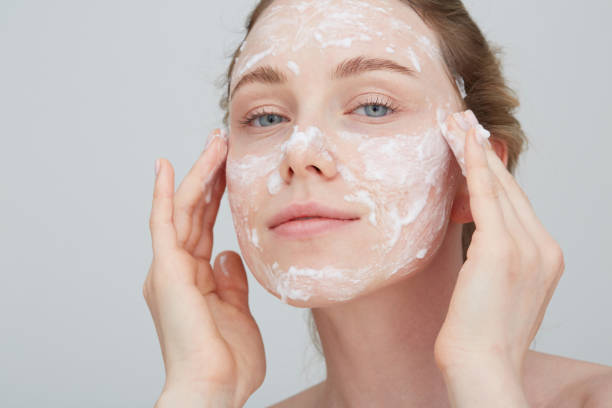
For most women in their twenties and thirties, a hydrating mask is the safest starting point. Look for things like glycerin, hyaluronic acid (that’s just a fancy name for a moisture magnet), and ceramides, which are the building blocks that keep your skin barrier strong. Apply a thick layer after cleansing, leave it for the amount of time on the package, and rinse with lukewarm water. You’ll notice the difference immediately: your face feels springy, looks like you turned on a soft light from within, and those little tension lines around your eyes seem to soften. That’s not your imagination. Hydrated skin literally has more volume, so fine lines look less noticeable. If you’re over thirty-five, swap in a hydrating mask with peptides every other week. Peptides are like little messengers that tell your skin to produce more collagen. No need to understand the biology perfectly. Just know they’re good.
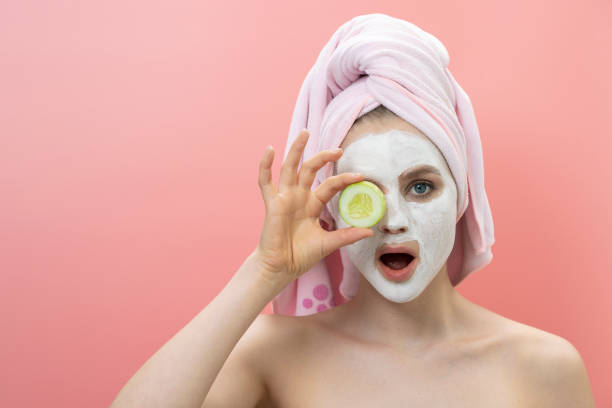
Now, what about clay masks? These are the classic “deep clean” option, and they’re fantastic if your skin gets oily in the T-zone or you’re prone to clogged pores. But here’s the thing: clay masks are powerful. Leave them on too long and they’ll pull too much moisture out, leaving you tight and flaky. That’s the opposite of anti-aging. So treat clay masks like a targeted treatment, not a full-face habit. Apply only to your nose, chin, and forehead if that’s where you get congestion. Set a timer for eight minutes, not the full fifteen. Rinse off and immediately follow with your moisturizer. That way you get the pore-declogging benefits without the dryness. And never, ever use a clay mask and an exfoliating scrub in the same night. Your face has a very distinct limit on how much roughing up it wants to handle.
Let’s talk about sheet masks for a second, because they’ve become a whole ritual in recent years. A sheet mask is simply a piece of fabric soaked in serum. The fabric helps lock the serum against your skin so it absorbs better than just patting it on. The real advantage? They’re perfect for multitasking. Slap one on while you watch your show, while you fold laundry, while you’re on a Zoom call if you’ve got the nerve. Just know that the serum tends to dry out faster than a cream mask, so keep an eye on the clock. Anywhere from fifteen to twenty minutes is the sweet spot. And don’t toss the leftover serum from the packet. Pat it onto your neck and chest. That skin ages just as fast as your face, and it’s often ignored. Consider that your free bonus treatment.
One common mistake people make with masks is using them as a quick fix before an event. Are you going to get a temporary glow? Sure. But the real results come from consistent weekly use. Think of masking like exercising. One workout before your beach vacation won’t give you abs, but a month of workouts will have you feeling stronger and more confident. Same deal with skin. Pick one night a week, make it your mask Monday or your self-care Sunday, and stick with it for six weeks. That’s enough time to see whether a particular mask is actually working for you. If your skin feels soft, looks even, and seems to hold onto moisture better, that’s your winner. If you notice any redness, stinging, or breakouts, stop and try something with a simpler ingredient list.
Also, read the label like you mean it. If a mask says rinse off, don’t let it sit overnight. That extra ten minutes isn’t going to give you extra results. It’s just going to irritate your skin. And always apply masks to clean, dry skin. Feeling like your face is too dirty to bother? That’s exactly when a mask needs to work. Wash your face first, gently pat dry, then smooth on the mask. No need for fancy tools. Your fingers work perfectly. Just wash your hands before you go digging into the jar.
Here’s your takeaway: weekly masking isn’t an extra chore. It’s the shortcut your skin needs to look its best. It delivers ingredients in higher concentrations, gives your face a boost of hydration and smoothness, and helps your daily products absorb better. Start with one mask, use it faithfully every week, and watch the cumulative magic happen. Your wrinkles won’t disappear overnight. But they’ll start to look less like wrinkles and more like the soft lines of a face that knows exactly what it’s doing.