Let’s be real for a second. Winter is already tough on your skin. The cold air outside sucks the life right out of it, and inside your house, the heat is doing the same thing. But there’s one thing you probably do every single day that is making it all worse, and you might not even realize it. I’m talking about your hot shower.
Yes, that long, steamy, feels-so-good shower you take to warm up after coming in from the cold. It’s a winter ritual, right? But here’s the thing. Hot water is like kryptonite for your face. When you stand under that stream, the heat breaks down the natural oils that your skin makes to protect itself. Think of those oils as your own personal moisturizer – a shield that keeps water locked in and the dry winter air out. Hot water melts that shield away. Once it’s gone, moisture starts leaving your skin faster than you can say “wrinkle.”
And wrinkles are exactly what we are trying to prevent. When your skin gets dry and dehydrated, it gets tight, flaky, and those fine lines around your eyes and mouth look deeper. Over time, that repeated loss of moisture actually weakens your skin’s structure. It loses its bounce and firmness. That’s how you go from just a little dryness to real, permanent wrinkles. Not a fun thought.
So what’s the fix? First, you don’t have to give up showers entirely – just change the temperature. Lukewarm water is your new best friend. I’m not saying you need an ice-cold plunge, but keep it warm, not hot. If the water turns your skin red, it’s way too hot. Think warm bath water, not hot tub. Your skin will thank you.
Second, time matters. A quick five-minute shower is way better than a long soak. The longer you are in the water, the more oil you lose. Try to keep it short, especially when it’s bitter cold outside.
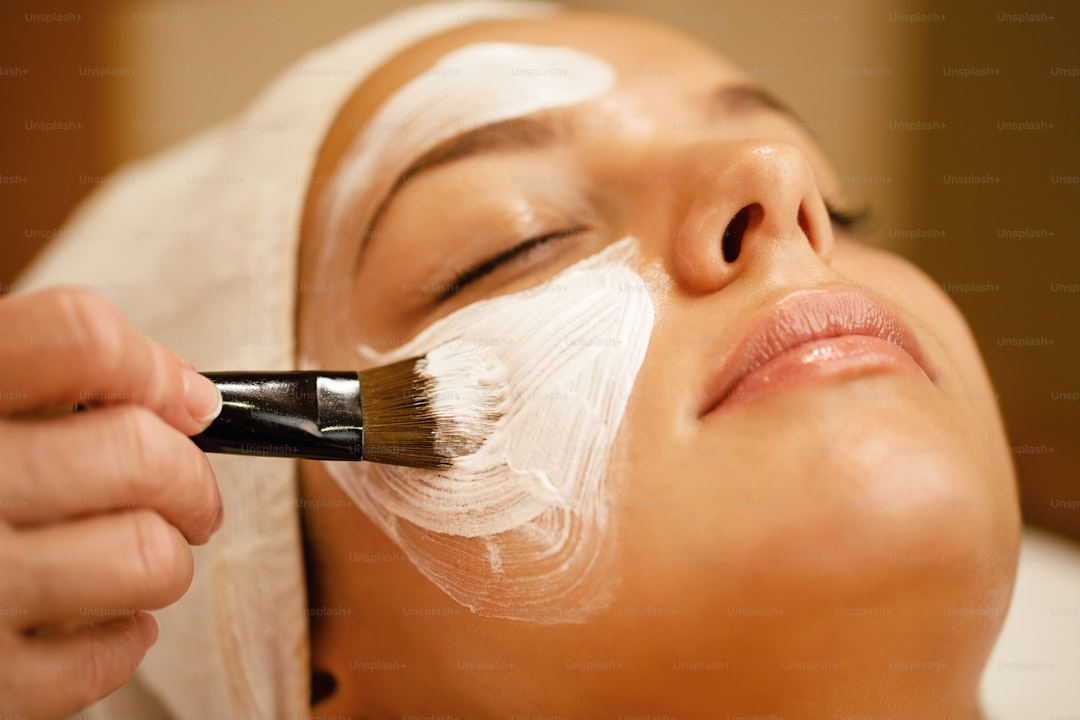
Now, the most important part happens the second you turn off the water. You have to moisturize immediately. And I mean immediately. While your skin is still damp – not dripping wet, but still holding a little water – that’s your golden window. Put your moisturizer on right then. That dampness helps the cream soak in and trap the water inside. If you wait until your skin is bone dry, you’ve already lost most of that moisture. You’re just putting cream on top of dry cracks. It’s like trying to seal a leaky bucket after the water already spilled.
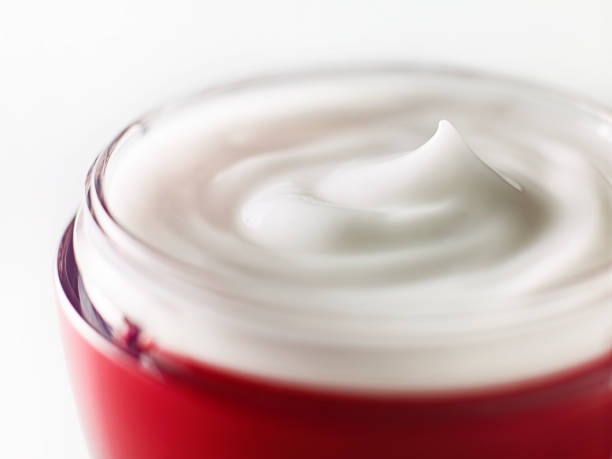
What kind of moisturizer should you use? Keep it simple. Look for something that says “fragrance-free” or “for sensitive skin.” You don’t need a fancy $80 jar. A basic drugstore cream with ingredients that help your skin hold water – like shea butter, glycerin, or ceramides – works great. In winter, switch to a thicker formula. Your regular lotion might not cut it when the air is dry. A cream or balm is better because it creates a stronger seal.
And one more thing. After your shower, don’t rub your face dry with a rough towel. Pat it gently. Rubbing takes off even more of that leftover moisture.
Now, let’s talk about what happens during the rest of the day. That dry indoor air from your heater is also stealing water from your skin. A cheap humidifier in your bedroom can make a huge difference. It adds moisture back into the air, so your skin doesn’t have to work so hard to stay hydrated. Even putting a bowl of water on your radiator will help a little.
One last tip. If you are in a hurry and can’t do a full skin routine, at least rinse your face with lukewarm water and put on a good moisturizer. That simple habit, done every day, will do more for preventing winter wrinkles than any complicated multi-step routine.
So here is the takeaway. Your winter shower doesn’t have to be your enemy. Just turn down the heat, keep it short, and lock in moisture right after. Your skin will stay soft, smooth, and those fine lines will have a much harder time showing up. You deserve to look fresh all winter long, without the extra wrinkles. Start tomorrow morning.