As the temperature drops and the air turns crisp, our skincare routines often face their most formidable challenge. Winter, with its harsh winds, dry indoor heating, and biting cold, presents a perfect storm for skin dehydration and accelerated wrinkle formation. The key to winter wrinkle prevention, therefore, is not a single miracle product but a strategic shift in focus from mere moisturizing to comprehensive barrier defense and hydration retention. Understanding that winter wrinkles are primarily a result of compromised skin barrier function and extreme moisture loss is the first step toward a smoother, more resilient complexion throughout the coldest months.
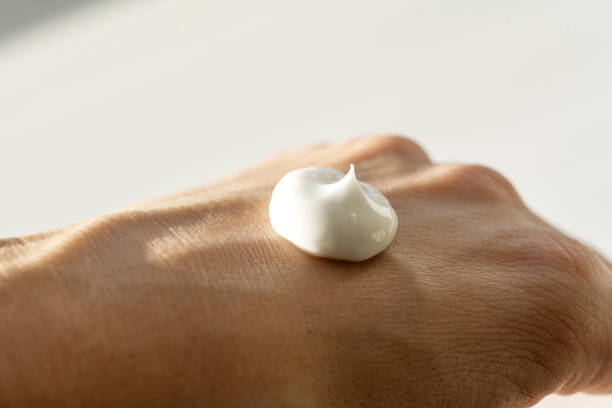
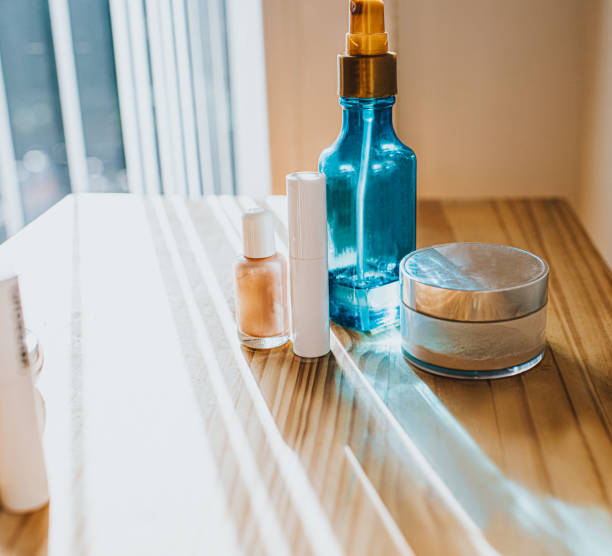
The central pillar of this strategy is an unwavering commitment to hydration. Cold air holds less moisture, and when combined with indoor heating systems that sap humidity from our environments, our skin is left in a parched state. This dehydration causes the skin to shrink and lose plumpness, making fine lines and existing wrinkles appear more pronounced. To combat this, the goal is to both attract water to the skin and seal it in. This begins with a hydrating cleanser that does not strip the skin’s natural oils, followed by the application of humectant-rich products like hyaluronic acid serums on damp skin. Humectants act as moisture magnets, drawing hydration from the air and deeper skin layers. However, in dry winter air, this moisture can evaporate, making the crucial next step the application of a richer, emollient moisturizer containing ingredients like ceramides, fatty acids, and squalane. These components mimic and reinforce the skin’s natural lipid barrier, creating an occlusive seal that locks in the precious hydration, preventing trans-epidermal water loss and keeping skin supple.
Equally non-negotiable is daily sun protection, a step many erroneously reserve for summer. Ultraviolet A rays, which penetrate clouds and glass and are a primary driver of photoaging and collagen breakdown, remain constant year-round. Snow and ice can reflect up to eighty percent of these damaging rays, effectively doubling exposure. Applying a broad-spectrum sunscreen with at least SPF 30 to all exposed areas, particularly the often-neglected face, neck, and hands, is a daily defense against the cumulative wrinkle-causing damage that does not take a seasonal break. This single habit protects the skin’s structural proteins, collagen and elastin, from degradation, maintaining its foundational support and elasticity.
Furthermore, intelligent environmental adjustments play a supporting role. Placing a humidifier in frequently used rooms, especially the bedroom, adds necessary moisture back into the air, providing a more skin-friendly atmosphere. Protecting the skin from direct exposure to harsh elements with scarves and hats is a simple yet effective physical barrier. Internally, increasing water intake and incorporating omega-3 fatty acids from sources like fish, flaxseed, or walnuts into the diet can help support the skin’s lipid barrier from within, improving its ability to retain moisture.
Ultimately, the key to winter wrinkle prevention is a paradigm shift from reactive care to proactive, barrier-centric nourishment. It is the consistent practice of pairing humectants with occlusives, defending against silent UV rays, and mitigating environmental aggressors. By fortifying the skin’s natural protective shield and ensuring it remains deeply hydrated, we can transform winter from a season of skin stress into a period of resilience. This holistic approach ensures that your skin emerges from the frost not just protected from new lines, but genuinely healthier and more fortified, ready to face the changing seasons with enduring strength and vitality.