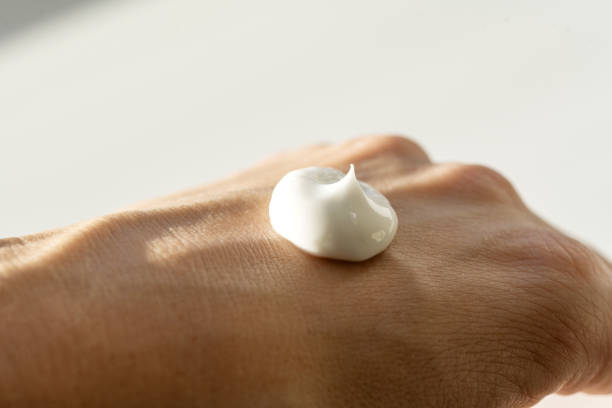
You know that feeling when July hits and your usual moisturizer suddenly feels like a heavy blanket on your skin? Or when December arrives and the same lotion that worked all summer now leaves tight, flaky patches around your nose? That’s not your imagination—that’s your skin responding to the air around it. And here’s the thing most women get wrong: they treat their face cream like a year-round constant, when it should be as flexible as your wardrobe. Smart women know that preventing wrinkles isn’t about buying the most expensive serum. It’s about paying attention to what the environment is doing to your skin every single day, and then making small, smart switches before damage sets in.
Let’s talk about humidity, because that’s the sneaky factor that changes everything. When the air is heavy with moisture, your skin doesn’t need a thick occlusive layer to keep water inside. Your natural oil production is already working overtime to mix with the extra moisture in the air. Slathering on a rich cream then just sits on top, clogging pores and creating a perfect recipe for the kind of breakouts that lead to picking, which leads to scarring, which leads to premature lines. Sounds dramatic, but it’s true. In summer, your goal should be to lighten up. Swap that heavy night cream for a gel-based moisturizer or even just a hydrating essence after cleansing. Your skin will thank you by staying clear and calm, and clear skin reflects light better, which makes you look younger than any heavy cream ever will.
Now flip the calendar to autumn. The temperature drops, but more importantly, the humidity plummets. Indoor heating kicks on, and suddenly your skin is losing water faster than you can say “dew point.” This is the moment to reintroduce richer textures. But don’t just grab any thick jar. Look for ingredients like ceramides or squalane—those are the ones that mimic your skin’s own moisture barrier. Think of it this way: in summer, you’re trying to let sweat and oil do their job without being suffocated. In winter, you’re trying to build a shield that holds moisture against your skin like a hug. A good winter moisturizer should feel slightly tacky when you first apply it, then sink in after a few minutes. If it feels like a mask, you’ve gone too heavy. If it’s gone in thirty seconds, it’s too light. You want the Goldilocks layer that keeps your skin plump so the surface stays smooth, and smooth skin means fewer visible lines, period.
Here’s where most skincare advice goes wrong. They tell you to exfoliate more in winter to get rid of flaky patches. But that’s the exact opposite of what your skin needs when the air is dry. Those flakes aren’t dead skin cells being stubborn—they’re your skin’s cry for help because its barrier is compromised. Over-exfoliating then becomes a brutal cycle: you strip away the tiny bit of protective oil you have left, your skin panics and produces less moisture, so you exfoliate again, and soon you’re dealing with redness, tightness, and then the fine lines that come from dehydrated skin crinkling like a paper bag. Instead, when you see winter flakes, cut back on exfoliation to once a week at most, and layer a hydrating toner under your moisturizer. Yes, toner—but not the astringent kind your mom used in the eighties. A milky, soothing lotion toner applied with your hands while your face is still damp works like a drink of water before you seal it in with cream. That’s the secret to preventing lines in cold weather: hydration first, then occlusion.
Springtime throws another curveball. The air gets wet again, but your skin is still adjusted to winter’s dryness. You’ll feel that weird combination of oily nose and dry cheeks. This is your signal to ease off the heavy creams gradually, not all at once. Start mixing a drop of facial oil into your regular moisturizer at night, then slowly reduce the amount over two weeks. That gives your skin time to recalibrate without shocking it into producing extra sebum as a defense response. And sudden shock to your skin is the real enemy of wrinkle prevention—your skin likes steady, predictable routines. The more you can make transitions gradual, the less inflammation you trigger, and inflammation is what breaks down collagen over time.
One more tip that applies to every seasonal switch: watch your cleanser. Many women keep the same foaming wash year-round, but that’s a mistake. Foaming cleansers are designed to remove excess oil, which you need less of in winter. When you foam away your natural oils during a dry spell, you leave your skin defenseless before you even get to the moisturizing step. For colder months, switch to a creamy or balm cleanser that melts off sunscreen and makeup without stripping. In warmer months, you can go back to a gentle gel cleanser, but even then, avoid anything that leaves your face feeling squeaky clean. That tight, squeaky feel started being promoted far too long ago—it’s actually a sign that your moisture barrier is already screaming.
None of this is complicated. It’s just paying attention to the weather report and responding like you would with your hair or your outfit. The best anti-wrinkle strategy is not a miracle cream born in a lab. It’s a series of wise, ordinary decisions repeated daily. When you give your skin the exact amount of hydration it needs for the air around it, you keep the surface smooth, the barrier strong, and those little lines have nowhere to hide. So before you buy your next moisturizer, check the forecast. Your future face will send you a thank-you note.