Spring is finally here. The flowers are blooming, the birds are singing, and your skin is suddenly acting like it has a personal grudge against you. If you’ve noticed more redness, itchiness, or tiny breakouts popping up out of nowhere, you’re not alone. Pollen is a major culprit when it comes to messing with your skin, and if you’re trying to prevent wrinkles, that pollen trouble can actually speed up the very lines you’re trying to avoid.
Here’s the thing: when pollen lands on your face, your skin can get irritated. And irritated skin is not happy skin. When your skin is angry, it gets inflamed. Inflammation is like a slow, quiet fire that breaks down the support structure underneath your skin. Over time, that fire makes your skin saggy and gives you more wrinkles. So if you want to keep your face smooth and young-looking, you need to calm down that springtime reaction before it starts.
Think about what happens when you touch a plant that makes you itchy. Your skin gets red, maybe a little bumpy. That’s your body saying “Hey, I don’t like this!” The same thing can happen with invisible pollen floating through the air. It sticks to your face, gets into your pores, and sets off a chain reaction. Even if you don’t have full-blown allergies, your skin can still react. It might feel drier than usual, or you might see little flakes around your nose. That dryness is a problem because dry skin shows every single line, and it cracks more easily, which makes wrinkles look deeper.
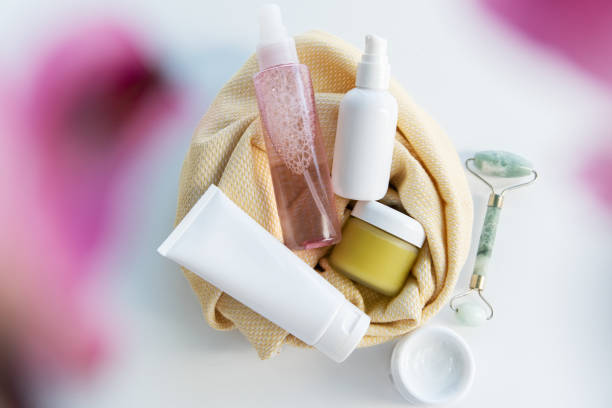
So what can you do about it? The first step is to keep that pollen off your face as much as possible. When you come inside from being outdoors, wash your face right away. Not with a harsh soap that strips everything off, but with a gentle cleanser. Look for something that says “mild” or “for sensitive skin.” The goal is to remove the pollen without scrubbing your face raw. Scrubbing hard when your skin is already irritated is like picking at a scab—it just makes things worse.
After you wash, put on a good moisturizer. Spring air can still be drying, especially if you’re spending more time outside. A moisturizer that has ceramides or something simple like glycerin helps your skin keep its natural barrier strong. That barrier is your first line of defense against pollen and other irritants. When it’s healthy, fewer bad things get in, and your skin stays plump and smooth. Plump skin means fewer wrinkles, plain and simple.
You might also want to think about what you’re putting on your face before you go outside. Heavy makeup can trap pollen against your skin, making the reaction worse. If you wear foundation, try a lighter one in the spring. Or skip it on days when the pollen count is high. You can always use a tinted moisturizer with sunscreen instead. Speaking of sunscreen, never skip it in spring. The sun is getting stronger, and sun damage is the number one cause of wrinkles. Plus, if your skin is already irritated from pollen, the sun will just make that redness and inflammation worse. So put on a broad-spectrum sunscreen with at least SPF 30 every single morning.
Another thing that helps is washing your pillowcases more often in spring. Pollen can cling to your hair and clothes, and then you bring it into bed. Your face presses into that pillow for eight hours. That’s a long time for pollen to sit on your skin. Swap your pillowcase out every few days during allergy season. It’s a small change, but it makes a big difference.
If your skin is really acting up, you can try a gentle toner or a mist with something like green tea or cucumber. Those are just soothing ingredients that help calm down redness. Stay away from anything with alcohol or strong fragrances, because they will only dry your skin out more. And skip any harsh exfoliators until your skin calms down. Scrubbing away dead skin when it’s already irritated is like rubbing sandpaper on a sunburn.
Your diet matters too. In spring, try to eat more foods that help calm inflammation from the inside. Berries, leafy greens, and fatty fish like salmon are all good choices. They give your body tools it needs to fight that low-level fire in your skin. Drinking plenty of water also helps. When you’re dehydrated, your skin gets tight and dry, and every tiny line becomes more visible.
The bottom line is this: spring doesn’t have to be the season where your skin loses its cool. A little bit of extra care—washing your face when you come in, moisturizing, using sunscreen, and changing your pillowcases—can keep pollen from turning into wrinkles. Your skin is tougher than you think, but it needs you to be on its side. Give it a break from the stuff that bothers it, and it will reward you with a smoother, younger-looking face all season long.