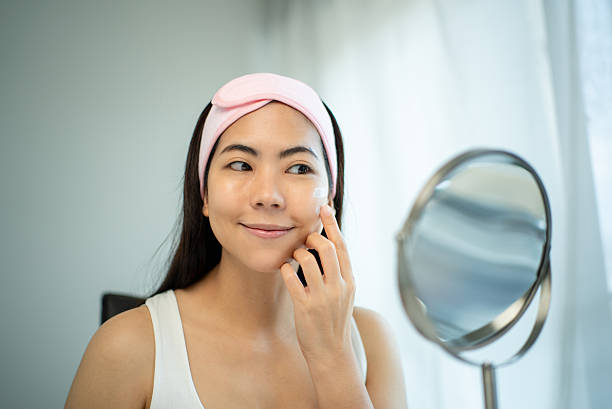
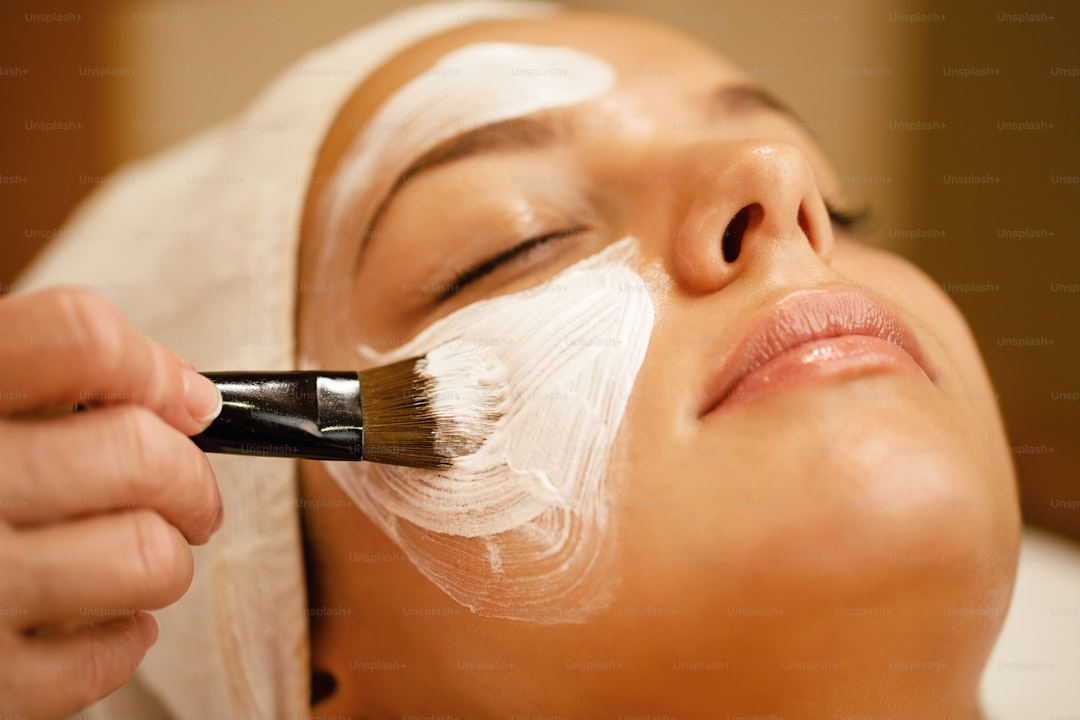
As the frost of winter recedes and the first green buds of spring appear, our surroundings undergo a profound renewal. This seasonal shift is not merely a visual spectacle; it is a call to action for our personal care routines, particularly for our skin. Exfoliation, the process of removing dead skin cells from the surface, emerges as a critically important practice in spring, acting as the essential bridge between the skin’s dormant winter state and its need for a radiant, healthy summer complexion.
The importance of spring exfoliation is rooted in the skin’s response to the changing environment. During the colder months, skin often endures a combination of harsh winds, dry indoor heating, and reduced humidity. In self-defense, it can become thicker, producing more dead cells in a attempt to create a protective barrier. This often results in a complexion that looks dull, feels rough, and may even be more prone to flakiness. Furthermore, the heavy, rich moisturizers necessary for winter can sometimes contribute to a buildup of residue. As spring arrives with its milder temperatures and increased humidity, this accumulated layer becomes unnecessary and counterproductive. It can clog pores, leading to congestion and breakouts, and it prevents newer, healthier skin from reflecting light, leaving the face lacking its natural glow. Exfoliation effectively sweeps away this cellular debris, much like clearing dead leaves from a garden to allow for new growth.
This act of removal does more than just polish the surface; it initiates a cascade of benefits perfectly suited to spring’s renewing energy. By clearing away the dead skin barrier, exfoliation dramatically enhances the efficacy of all other skincare products that follow. Serums packed with antioxidants, lightweight hydrators, and most importantly, sunscreen, can penetrate more deeply and work more effectively. This is crucial as we begin to spend more time outdoors under a strengthening sun. Preparing the skin to better absorb a high-SPF moisturizer is one of the most proactive steps one can take for long-term skin health. Simultaneously, exfoliation encourages cellular turnover, stimulating the skin to produce fresh, plump collagen and elastin. This process not only improves texture and reduces the appearance of fine lines but also helps to fade any hyperpigmentation or lingering dullness from the previous season, revealing a more even, luminous skin tone that mirrors the brightness of spring itself.
However, the approach to spring exfoliation must be as considered as the practice is beneficial. The goal is gentle encouragement, not aggressive stripping. After months of potential sensitivity, the skin requires a mindful transition. Opting for chemical exfoliants like alpha hydroxy acids (AHAs) such as lactic or glycolic acid, or beta hydroxy acids (BHAs) like salicylic acid, often provides a more even and controlled removal than harsh physical scrubs. These ingredients work by dissolving the bonds between dead cells, promoting a smoother result without micro-tears. The frequency is also key; for most skin types, exfoliating one to two times per week in spring is sufficient to reap the rewards without compromising the skin’s natural moisture barrier. It is a ritual of reset, not punishment.
Ultimately, exfoliation in spring is far more than a cosmetic indulgence; it is a strategic and timely alignment with our skin’s biological needs and the rhythms of nature. It sheds the physical vestiges of winter, both literally and figuratively, allowing the skin to breathe, absorb nourishment, and defend itself more capably. By incorporating this pivotal step into a spring routine, we do not just care for our skin—we partner with the season’s inherent spirit of renewal. We clear away the old to make way for a fresher, healthier, and more radiant canvas, fully prepared to embrace the vibrant light and life of the months ahead.