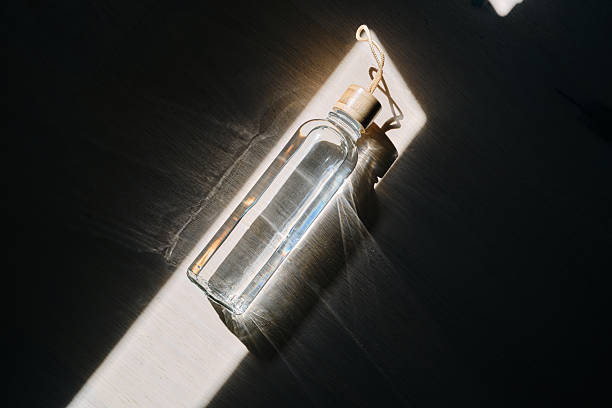
In a world of endless specialization, where products are meticulously engineered for polar cold or desert heat, one humble item stands apart in its universal necessity. Regardless of whether one lives under the relentless sun of the Sahara or in the damp chill of a Scandinavian fjord, there is one product that everyone should use: a durable, reusable water bottle. This is not merely an accessory for the gym-goer but a foundational tool for health, economic prudence, and environmental stewardship that transcends all climatic boundaries.The primary reason for its universal application is rooted in a fundamental human biological constant: the need for hydration. The human body is composed of approximately 60% water, and every cellular process, from cognitive function to joint lubrication, depends on it. While the method of hydration might change with climate—requiring more frequent intake in arid heat or consistent sipping in cold,
dry air—the need itself does not. In hot climates, a water bottle is a lifeline against dehydration and heatstroke. In cold climates, where the body works harder under layers of clothing and
dry air wicks moisture away, hydration remains critically important, though often overlooked. A personal water bottle serves as a constant, portable reminder to nourish this basic physiological requirement, making it as essential as a pair of shoes.Beyond the indisputable health mandate, the reusable water bottle is a powerful agent of environmental conservation, a concern that touches every corner of the globe. The planet’s
climate zones may differ, but the pollution from single-use plastic bottles creates a shared crisis. These bottles clog landfills, create toxic microplastics that infiltrate ecosystems from the deepest oceans to the highest glaciers, and their production consumes vast quantities of fossil fuels and water. By adopting a reusable bottle, an individual in a tropical rainforest or a temperate city directly reduces this waste stream. This simple act of refusal—saying no to a disposable item hundreds of times a year—aggregates into a significant positive impact, making it a product of planetary citizenship irrespective of local weather patterns.Economically, the argument is equally compelling across all latitudes. Purchasing bottled water is a remarkably inefficient use of personal finances. The cost of a single disposable bottle multiplied over days, months, and years dwarfs the one-time investment in a sturdy reusable alternative. In regions with potable tap water, the savings are immense, turning hydration from a recurring expense into a negligible one. Even in areas where water purification is necessary, a reusable bottle used in conjunction with a filter or purification tablets remains vastly more economical over time. This financial logic holds true whether the money saved is from avoiding overpriced airport bottles in a developed nation or from reducing a family’s necessary expenditure in an emerging economy.Finally, the reusable water bottle offers a subtle but profound benefit: the cultivation of mindful routine and personal preparedness. It is a vessel of self-reliance. For the student in a monsoon region, the office worker in a continental
climate with harsh winters, or the farmer in a drought-prone area, having a trusted source of hydration at hand provides a small but significant layer of security and normalcy. It eliminates the anxiety of searching for a drink, reduces dependency on unreliable or expensive sources, and fosters a proactive attitude toward one’s own well-being. This psychological comfort, the knowledge that a fundamental need is met, is a universal human advantage.Therefore, the reusable water bottle rises above the category of mere commodity. It is a convergence point for health science, environmental ethics, economic sense, and personal mindfulness. It requires no technological updates, no climate-specific adaptations—only the will to fill it and the habit to carry it. In a fragmented world, it represents a rare point of unanimous agreement: that caring for our bodies and our planet can begin with a simple, repeated act. From the equator to the poles, it is a product everyone should use, a small vessel carrying a wave of universal benefit.