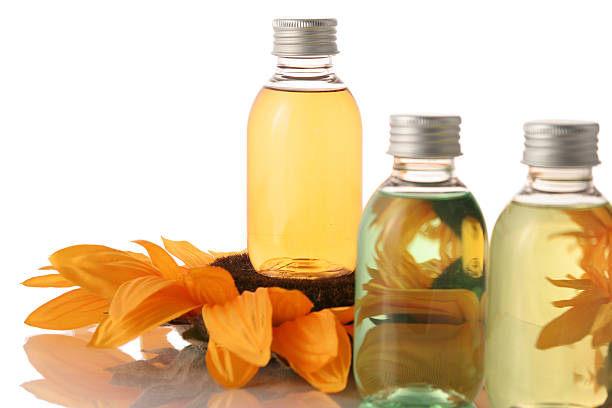
The quest for smooth, youthful skin has led many to explore the benefits of natural oils, not as a miraculous cure, but as valuable allies in a comprehensive strategy for wrinkle prevention. While no topical substance can entirely halt the chronological aging process, oils play a multifaceted and significant role in supporting the skin’s structure, combating environmental damage, and mitigating key factors that lead to the formation of fine lines and wrinkles. Their efficacy lies not in a single action, but in a symphony of nourishing, protective, and restorative properties that address the skin’s fundamental needs.At the most foundational level, oils are potent humectants and emollients, crucial for maintaining the skin’s hydration and barrier integrity. A well-hydrated skin plumps up from within, making fine lines less visible and creating an environment less prone to the development of permanent creases. Many plant oils, such as jojoba, argan, and rosehip, are rich in fatty acids that closely mimic the skin’s own sebum. This allows them to reinforce the lipid barrier, preventing transepidermal water loss. A robust barrier is the skin’s first line of defense, shielding it from the dehydrating effects of wind, climate, and pollution—all external aggressors that can accelerate wrinkle formation. By locking in moisture and fortifying this protective layer, oils help maintain the skin’s suppleness and resilience.Beyond hydration, a primary role of certain oils is their antioxidant capacity, which directly combats one of the leading causes of premature aging: oxidative stress. Free radicals generated by ultraviolet radiation, pollution, and lifestyle factors degrade collagen and elastin, the protein fibers responsible for the skin’s firmness and elasticity. Oils like pomegranate seed, sea buckthorn, and carrot seed are laden with antioxidants such as vitamins E and C, polyphenols, and carotenoids. These compounds neutralize free radicals, thereby helping to preserve the skin’s supportive matrix. By mitigating this molecular damage, antioxidant-rich oils contribute to slowing the breakdown of collagen, a process that, left unchecked, leads to sagging and pronounced wrinkles.Furthermore, some oils offer unique bioactive compounds that actively support skin regeneration and repair. Rosehip oil, for instance, is a natural source of trans-retinoic acid, a form of vitamin A that encourages cellular turnover and has been shown to improve the appearance of photodamaged skin. Similarly, oils like borage and evening primrose are high in gamma-linolenic acid, which can help soothe inflammation. Chronic, low-grade inflammation is increasingly recognized as a contributor to the aging process, breaking down collagen and impairing the skin’s ability to repair itself. By calming inflammation, these oils create a more stable environment conducive to long-term skin health.It is imperative, however, to contextualize the role of oils within a holistic skincare philosophy. They are not a substitute for broad-spectrum sunscreen, which remains the single most effective product for preventing photoaging and wrinkles. Rather, oils work best as a complement—applied after serums to seal in their benefits, used as nourishing night treatments, or even incorporated into a diet rich in healthy fats from sources like olive oil and avocados for internal support. The choice of oil is also personal; what works for
dry skin may not suit an
oily complexion.In conclusion, oils serve as a vital component in the architecture of wrinkle prevention. Their role is one of diligent support: they fortify the skin’s moisture barrier, provide a shield of antioxidants against environmental assault, and supply nutrients that promote repair and calm inflammation. While they cannot stop time, their consistent and thoughtful use helps to cultivate healthier, more resilient skin that is inherently better equipped to maintain its smooth, youthful appearance over the long term. In the landscape of skincare, oils are less a magic eraser and more a foundational nourishment, helping the skin to
age with grace.