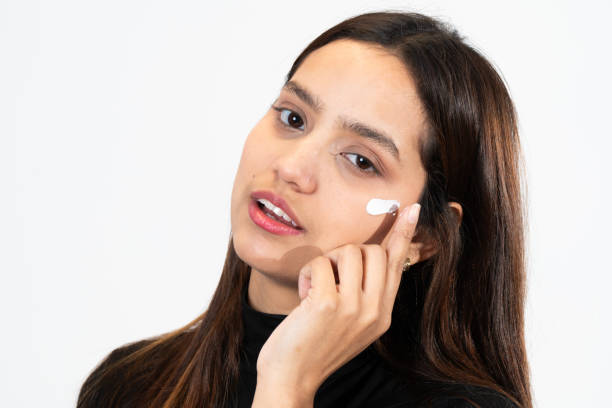
Retinol, a derivative of vitamin A, stands as a cornerstone of modern skincare, lauded for its proven efficacy in combating acne, diminishing wrinkles, and promoting cellular renewal. However, its potency is a double-edged sword. To harness its benefits while safeguarding the skin’s barrier, it is imperative to understand which ingredients create a problematic partnership with retinol. Combining the wrong actives can lead to severe irritation, diminished efficacy, or even chemical damage, undermining the very goals of a skincare regimen. The primary categories to avoid mixing with retinol are potent exfoliating acids, certain forms of vitamin C, and benzoyl peroxide, with a general rule of caution applying to any overly harsh or drying ingredients.
The most critical prohibition is the concurrent use of retinol with other powerful exfoliants, namely alpha-hydroxy acids (AHAs) like glycolic and lactic acid, and beta-hydroxy acids (BHAs) such as salicylic acid. Both retinol and chemical exfoliants accelerate skin cell turnover. Using them simultaneously, especially in high concentrations or in the same routine, creates an overwhelming burden on the skin. This dramatically increases the risk of redness, stinging, peeling, and a compromised moisture barrier. The skin’s protective layer becomes vulnerable, leading to increased sensitivity, dryness, and a heightened potential for sun damage. While some advanced formulations may carefully blend these ingredients at low, stable concentrations, for the vast majority of users, applying them separately—such as acids in the morning and retinol at night, or on alternating evenings—is the safest protocol to reap the benefits of both without the collateral damage.
Furthermore, the combination of retinol with benzoyl peroxide, a common acne-fighting bactericidal agent, is notoriously unstable. Benzoyl peroxide is a potent oxidizing agent that can actually deactivate the retinol molecule upon contact, rendering it ineffective. This nullifies the intended anti-aging and comedolytic effects of the retinol, making the routine counterproductive. For those treating acne, alternative strategies exist, such as using benzoyl peroxide in a wash-off cleanser or applying it in the morning while reserving retinol for nighttime, thereby preventing direct interaction. Similarly, the partnership between retinol and pure L-ascorbic acid (vitamin C) is fraught with complexity. Both are pH-dependent actives that function optimally at different acidity levels; retinol prefers a more neutral pH, while ascorbic acid requires a highly acidic environment to remain stable and penetrate. Layering them can destabilize both formulas. More importantly, using them together can be extremely irritating for many skin types. A more harmonious approach is to separate them by time, utilizing the antioxidant protection of vitamin C in the morning and the skin-renewing properties of retinol at night.
Beyond these specific interactions, a principle of prudence should govern retinol use. It is generally advisable to avoid pairing retinol with other intensely drying or irritating ingredients, such as physical scrubs with coarse particles, which can cause micro-tears in skin already sensitized by retinol. While not a direct chemical conflict, this physical abrasion exacerbates irritation. The golden rule when introducing retinol is to prioritize barrier support and simplicity. A gentle cleanser, a soothing moisturizer, and a dedicated, high-SPF sunscreen are its most crucial companions. Ultimately, the power of retinol is best unlocked through strategic, informed application. By respecting its incompatibilities—primarily with exfoliating acids, benzoyl peroxide, and careful consideration with vitamin C—users can navigate their skincare journey toward radiant, healthy skin without the setback of inflammation or compromised results. Patience and separation of actives are not limitations, but rather the foundational principles for long-term skincare success.