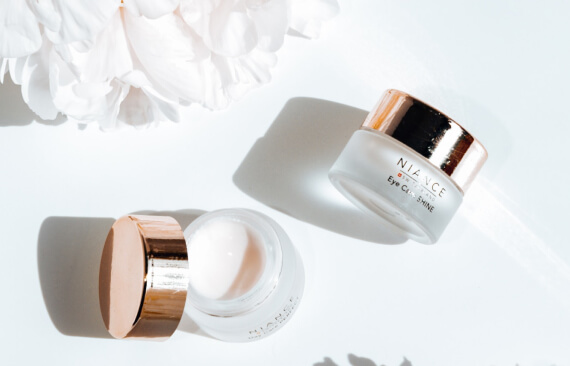
You probably already know that the sun can leave dark marks on your skin. You wear sunscreen, you stay in the shade, you do your best. But what if the real problem is happening long after the sun goes down? It turns out that one simple nighttime habit could be the reason those stubborn
dark spots keep showing up, no matter how careful you are during the day.Let’s be real about what
dark spots actually are. They’re those flat, brownish patches that appear on your cheeks, around your mouth, or across your forehead. They make your skin look older than it is. And while the sun is a big cause, there’s another sneaky culprit that often gets ignored: leftover makeup and dirt that you didn’t wash off all the way.Think about your typical evening. Maybe you’re tired after a long day. You swipe a makeup wipe across your face for thirty seconds and call it done. Or maybe you use a cleanser, but you rush through it. That leftover foundation, those traces of sunscreen, the tiny bits of dirt and oil from the day — they’re all still sitting on your skin when you lay your head on the pillow. And that’s where the trouble starts.When you leave makeup on overnight, those products mix with your skin’s natural oils. The mixture clogs your pores. But here’s the thing — clogged pores don’t just give you breakouts. They also cause little bumps of inflammation. Your skin reacts to that inflammation by making extra pigment. That extra pigment turns into dark spots. So what you think is just a pimple or a rough patch of skin is actually the beginning of a dark mark that could stick around for weeks or months.The same thing happens when you use a heavy night cream or a serum that’s too thick for your skin type. If your skin can’t breathe overnight, it gets irritated. That irritation triggers the same pigment-making response. You think you’re helping your skin by slathering on a rich cream. But for some people, that cream is actually causing more
dark spots than it prevents.Another big mistake is picking at your skin. Maybe you see a tiny bump and you can’t resist squeezing it. Or you scratch an itchy spot. That little injury sends a signal to your skin cells to produce extra pigment as a kind of protection. The result is a dark mark that’s way more noticeable than the original bump ever was. It’s like your skin is saying, “I’m going to cover this spot with a big brown patch so nobody misses it.“ Not what you wanted.So what can you do instead? It’s simpler than you think. First, make sure you actually wash your face at night. Not just a quick wipe. Use a gentle cleanser that doesn’t foam up a lot — foaming cleansers can be too harsh and actually
dry out your skin, which makes
dark spots worse. Spend a full minute rubbing the cleanser in circles all over your face, including your jawline and your hairline where makeup likes to hide. Rinse with warm water, not hot. Hot water strips your skin’s natural protective layer, and that also leads to pigment problems.Second, don’t pile on too many products at night. Stick with a simple routine: cleanse, then apply a lightweight moisturizer that’s made for your skin type. If your skin is oily, use a gel moisturizer. If it’s dry, use a cream, but not a thick one. Look for something that says “non-comedogenic” on the bottle — that’s just a fancy way of saying it won’t clog your pores.Third, if you have a pimple or a rough spot, leave it alone. Seriously. The more you touch it, the more pigment you’re begging your skin to make. Put a tiny dot of a spot treatment on it, but don’t pick, don’t scratch, don’t squeeze. Your skin will heal faster on its own, and you’ll have a way better chance of avoiding a dark mark.And here’s a bonus tip: change your pillowcase at least once a week. Your pillowcase collects oil, dead skin, and leftover product from your face. Sleeping on the same one for two weeks is like rubbing dirt and makeup back into your skin every single night. That can also cause the kind of irritation that leads to dark spots.The bottom line is that
dark spots aren’t just about the sun. A lot of them come from what you do (or don’t do) in the hours after the sun goes down. Wash your face properly. Use the right products. Keep your hands off your skin. Swap your pillowcase. These are small changes, but they make a huge difference. Your skin will look brighter, smoother, and more even. And those
dark spots you’ve been fighting? They’ll finally start to fade.