As skin matures, its needs evolve significantly. The combination of enlarged pores and the visible signs of aging creates a unique set of challenges that demand a thoughtful approach to sun protection. Porous, aging skin is often characterized by a loss of elasticity and firmness, alongside a textured surface where pores may appear more prominent due to decreased collagen and skin laxity. The quest for the best sunscreen for this
skin type is not merely about high SPF; it is about finding a formula that protects, nourishes, and complements changing skin without emphasizing its concerns.The foundation of any effective sunscreen for mature,
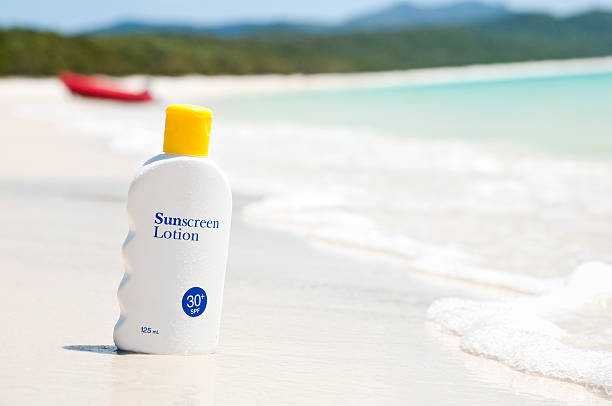
porous skin is broad-spectrum protection, guarding against both UVA rays, which accelerate aging and penetrate deeply, and UVB rays, which cause burning. A minimum SPF of 30 is essential, though SPF 50 is often recommended for daily use. However, the true differentiator lies in the formulation’s texture and additional ingredients. Heavy, greasy sunscreens can settle into pores and fine lines, making them more noticeable and potentially leading to congestion. Conversely, overly drying mineral powders may cling to
dry patches common in aging skin. Therefore, the ideal product strikes a delicate balance.For many with porous, aging skin, a physical, or mineral, sunscreen containing zinc oxide and/or titanium dioxide is often the most recommended starting point. These ingredients sit on top of the skin, reflecting UV rays, and are inherently less irritating—a boon for skin that may become more sensitive with age. Modern mineral formulations have come a long way from the thick, white casts of the past. Today, they are frequently micronized and blended into elegant, tinted lotions that can actually help blur the appearance of pores and imperfections while providing robust protection. The key is to look for a fluid, lightweight texture described as a “lotions” or “fluid,“ which are less likely to feel occlusive.Yet, the best sunscreen transcends simple sun blocking; it acts as a multifunctional skincare product. Aging skin benefits immensely from formulas infused with antioxidants like vitamin C, vitamin E, niacinamide, or green tea extract. These compounds provide a second layer of defense against environmental free radicals, help to strengthen the skin’s barrier, improve tone, and can even minimize the look of pores over time. Hydrating components such as hyaluronic acid, glycerin, or ceramides are equally crucial. They plump the skin, temporarily reducing the appearance of fine lines and creating a smooth canvas, which prevents the sunscreen from highlighting dryness or settling into creases.Ultimately, the best sunscreen is one that you will use generously and consistently every single day. For porous, aging skin, this often means a product with a cosmetically elegant finish—leaving a dewy, natural, or semi-matte glow without greasiness or a heavy residue. It should layer seamlessly under makeup, if worn, without pilling. Many find success with Korean or Japanese sunscreens, renowned for their advanced, skin-friendly textures, or with luxury dermatological brands that specifically target mature skin concerns. A tinted option can be particularly advantageous, offering a unifying effect that enhances the skin’s appearance while it protects.In conclusion, the optimal sunscreen for porous, aging skin is a sophisticated hybrid: a high-quality, broad-spectrum shield that also performs as a treatment. It prioritizes a lightweight, non-comedogenic texture to avoid clogging pores, incorporates a cocktail of restorative antioxidants and humectants, and leaves a finish that flatters mature skin. By choosing such a product, you commit to more than preventing future sun damage; you actively support your skin’s health, resilience, and appearance, turning a daily necessity into a powerful act of self-care. Protection becomes prevention, and the simple act of applying sunscreen becomes a cornerstone of a graceful aging philosophy.