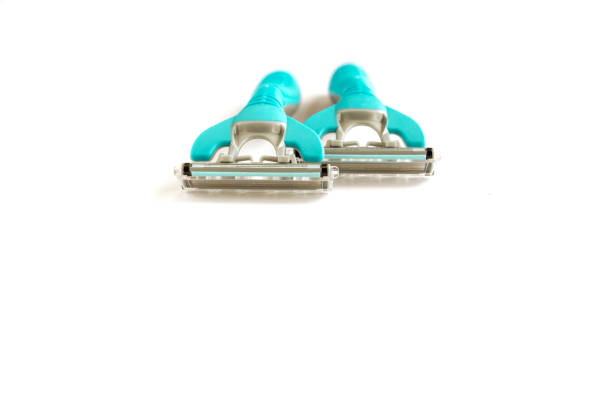
The daily ritual of shaving is often viewed through the lens of grooming and hygiene, but a persistent belief suggests it may also serve as a secret weapon against facial wrinkles. While the image of a man scraping a razor across his skin to stave off aging has a certain appeal, the relationship between shaving and wrinkle
prevention is more nuanced than a simple cause-and-effect. In reality, shaving offers indirect benefits that can contribute to a healthier, more resilient complexion, but it is not a direct
anti-aging treatment.At its core, shaving is a form of physical exfoliation. As the razor glides across the skin, it does more than cut hair; it also removes the outermost layer of dead skin cells, a process known as desquamation. This mechanical exfoliation can lead to a smoother, brighter complexion by clearing away the dulling debris that accumulates daily. By promoting cellular turnover, shaving can help prevent the clogging of pores and may allow subsequent skincare products, such as moisturizers and serums, to penetrate more effectively. A well-moisturized face is a plumper face, and improved hydration is a key factor in maintaining skin elasticity, which can make fine lines less apparent. In this indirect way, the exfoliation from shaving supports skin health, which is foundational for delaying signs of aging.Furthermore, the shaving routine itself, when done correctly, encourages skincare habits that are profoundly anti-aging. A proper shave involves cleansing the skin, applying a lubricating shaving cream or gel, and, most importantly, following up with a soothing aftershave balm or moisturizer. This mandatory post-shave hydration is critical. Daily moisturizing combats transepidermal water loss, reinforcing the skin’s barrier and preventing the dryness that can accentuate wrinkles. Men who shave regularly are often more consistent with applying these hydrating products than those who do not, thereby integrating a fundamental
anti-aging step into their daily lives. The massaging action of applying shaving cream and aftershave can also stimulate mild blood circulation, potentially bringing oxygen and nutrients to the skin’s surface.However, it is crucial to temper these benefits with a significant caveat: poor shaving technique can actively accelerate skin aging and damage. Shaving with dull blades, using harsh alcohol-based aftershaves, or applying excessive pressure can cause micro-tears, inflammation, and irritation. This chronic irritation compromises the skin’s barrier function, leading to dryness, sensitivity, and increased oxidative stress—all of which break down collagen and elastin, the very proteins that keep skin firm and smooth. Therefore, the potential
anti-aging benefits of shaving are entirely contingent on a gentle, skin-conscious approach. A damaging shave does more harm than good, potentially creating an environment where wrinkles form more easily.Ultimately, shaving is not a direct method for preventing wrinkles in the way that daily sunscreen use or prescription retinoids are. Wrinkles are primarily caused by intrinsic genetic factors and extrinsic aggressors like ultraviolet radiation, pollution, and repetitive facial movements. No amount of shaving will rebuild collagen or neutralize free radicals. Its primary value in the context of aging lies in its ancillary benefits: consistent exfoliation and the enforced discipline of hydration. For
men seeking to leverage their grooming routine for
anti-aging purposes, the focus should be on technique—using sharp blades, rich lubricants, and nourishing post-shave products—and, most importantly, never shaving without following up with a broad-spectrum sunscreen. Sun protection remains the single most effective strategy for preventing premature wrinkles, a step that must complement any shaving regimen. In conclusion, while shaving is not a fountain of youth, a careful and conscientious routine can support overall skin health, creating a better canvas that may help keep the signs of aging at bay.