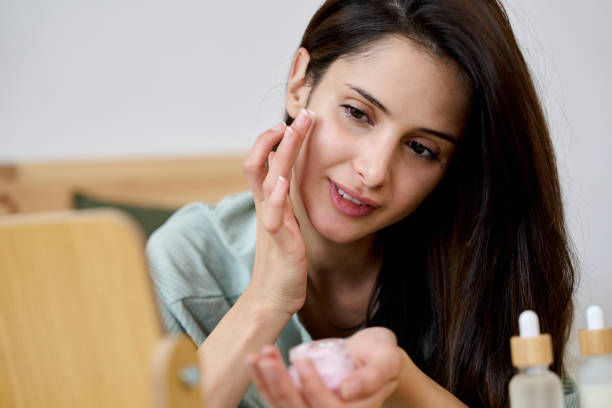
The allure of the luxury moisturizer is undeniable. Housed in heavy glass jars and promising transformative results from rare ingredients, these high-end products command prices that far exceed their drugstore counterparts. They pledge not just hydration but a defense against time itself, leading many to wonder: can a luxury moisturizer actually prevent wrinkles? The nuanced answer lies in understanding what causes wrinkles and what a moisturizer—regardless of its price tag—can realistically achieve.
Wrinkle formation is a complex process driven by two primary factors: intrinsic aging and extrinsic aging. Intrinsic aging is the genetic, biological clock that gradually slows collagen and elastin production, leading to thinner, drier skin over decades. Extrinsic aging, responsible for up to 90% of visible skin aging, is caused by external aggressors, most significantly chronic exposure to ultraviolet radiation from the sun—a process called photoaging. Other contributors include pollution, smoking, repetitive facial expressions, and even sleep position. No cream, however luxurious, can halt the intrinsic aging process or fully reverse the deep structural damage caused by a lifetime of sun exposure.
This is where the function of moisturizers must be clearly defined. Their primary role is to hydrate and support the skin’s barrier. They work by occluding the skin to prevent water loss, drawing moisture into the outer layer, and supplementing the skin’s natural lipids. A well-hydrated skin plumps up temporarily, making fine lines from dehydration less noticeable—an effect often mistaken for wrinkle reduction. Luxury moisturizers often excel at this sensory experience, using elegant textures and superior emollients that provide exceptional immediate smoothness and comfort. However, this is a temporary cosmetic improvement, not a prevention of the underlying biological processes that create permanent wrinkles.
Where luxury formulas potentially separate themselves is in their inclusion of advanced, high concentrations of active ingredients that go beyond basic hydration. Many invest in sophisticated blends of antioxidants like stabilized vitamin C, ferulic acid, or resveratrol. These compounds help neutralize free radicals generated by UV and pollution, which break down collagen. By mitigating this daily damage, antioxidant-rich moisturizers can play a legitimate supporting role in preventing some premature aging, assuming they are formulated to remain potent. Furthermore, some luxury creams incorporate peptides, which are amino acid chains that may signal the skin to produce more collagen, or retinoids (vitamin A derivatives), the gold standard for clinically proven wrinkle reduction. These ingredients can indeed improve the appearance of fine lines and boost skin thickness over time.
Yet, a critical caveat remains: the most vital, preventative step in any skincare regimen is daily, broad-spectrum sunscreen. No moisturizer, even one costing hundreds of dollars, can claim to prevent wrinkles without this foundational practice. Sunscreen is the single most effective anti-aging product on the market. A luxury moisturizer without SPF is an incomplete shield. Many savvy consumers understand this, often layering their pricey creams under a dedicated sunscreen.
In conclusion, while a luxury moisturizer cannot magically prevent all wrinkles or stop biological aging, it can be a valuable component of a holistic preventative strategy. Its value lies not in its price, but in its formulation. If it delivers high-efficacy actives like antioxidants, peptides, or retinoids in stable, penetrating vehicles, and is used consistently alongside diligent sun protection, it can help fortify the skin against environmental damage and improve its overall quality. However, the same actives are increasingly available in affordable, science-focused brands. Therefore, the true luxury may not be the jar itself, but the informed discipline of a comprehensive routine centered on sunscreen, proven ingredients, and healthy lifestyle choices—the most effective wrinkle prevention plan of all.