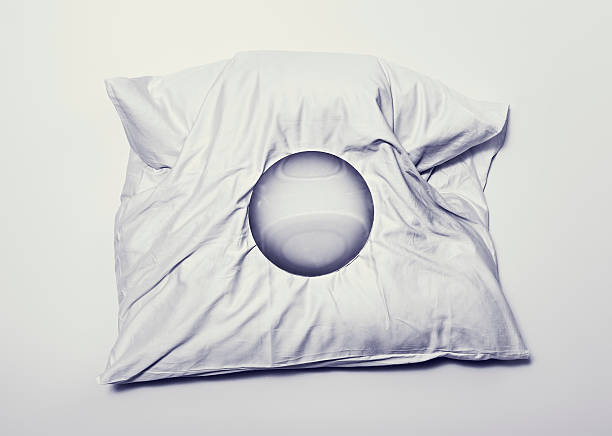
You might think your skin takes a nice break while you snooze, but the truth is, what you do during those eight hours can either help or hurt your face. If you wake up with creases on your cheek, lines around your mouth, or a tired look that won’t go away, your sleeping position could be the culprit. The good news is you don’t need a fancy cream or a million-dollar gadget to fix it. You just need to be smart about how you lay your head down at night.Let’s start with the most obvious problem: sleeping on your stomach or side. When you press your face against a pillow for hours, you are literally squishing your skin into folds. Over time, those folds become permanent lines. Think of it like folding a piece of paper over and over again. Eventually, the crease stays even when you flatten it out. Your skin is more elastic than paper, but the same idea applies. The constant pressure and friction break down collagen and elastin, which are the proteins that keep your skin plump and springy. Once that support system weakens, wrinkles settle in.So what is the fix? Sleeping on your back. It really is that simple. When you lie face-up, nothing is pushing against your skin. No pillow crease, no smashing, no sideways pulling. Your face can rest flat, and your skin can breathe. If you are a lifelong side sleeper, this change will feel weird at first. You might toss and turn. But you can train yourself over a few weeks. Start by putting a rolled-up towel or a small pillow on each side of your body. This blocks you from rolling onto your side. You can also try a special “beauty sleep” pillow that has a cutout for your face, though a regular pillow works just fine if you stay on your back.Now, what about the pillow itself? Even if you sleep on your back, your pillow still touches your skin. And pillows are dirty. They collect dead skin cells, oil, sweat, and bacteria from your hair and face. That gunk can clog pores and cause breakouts. But worse, the fabric of your pillowcase can rub against your skin all night, causing micro-tears and irritation. The rougher the fabric, the more friction. Cotton pillowcases, especially the cheap stiff kind, are not your friend. They drag on your skin and soak up your moisturizer.The simple swap here is a silk or satin pillowcase. These smooth fabrics let your skin glide instead of pull. They do not absorb moisture the way cotton does, so your night cream stays on your face where it belongs. Silk also creates less heat, which helps your skin stay cool. Hot skin loses moisture faster, leading to dryness and fine lines. So a cool, smooth pillowcase is like a mini spa treatment every single night.You also need to think about the position of your head. If you prop yourself up on a thick pillow, your
neck gets bent at an odd angle. That can lead to “tech neck” lines across your throat. Instead, use a flat or medium-loft pillow that keeps your spine in a straight line. Your head should not be tilted up or down. A neutral position helps your skin stay relaxed.Do not forget your hands. Some people sleep with their hand tucked under their cheek or pressed against their forehead. That pushes the skin in one spot for hours. Try to keep your arms at your side or on your stomach, not near your face. It takes a little awareness, but you can remind yourself as you drift off.Last, think about your skincare before you hit the pillow. A good night routine is about more than just slathering on cream. You want to give your skin a clean, moisturized surface to rest on. Wash your face every night to remove makeup, sunscreen, and dirt. Follow with a light moisturizer. If you put on a thick, sticky cream, it can transfer to your pillow and clog pores. Instead, use a nighttime formula that sinks in quickly. Many
women with disposable income buy expensive serums, but the most expensive cream will not do much if you are smashing your face into a cotton pillowcase every night.The big takeaway is this: You can spend a lot of money on skincare, but your sleeping habits matter just as much. Protecting your skin at night is not complicated. Sleep on your back. Use a smooth pillowcase. Keep your
neck straight. And wash your face before bed. These small changes add up to a smoother, younger-looking face over time. The next time you crawl into bed, think about how you are treating your skin while you rest. A little awareness tonight can save you a lot of worry about wrinkles tomorrow.