The ears, often overlooked in daily skincare rituals, require thoughtful and gentle care to maintain health, prevent issues, and support overall hygiene. Cleansing the skin on the
ears is not about aggressive scrubbing but rather a methodical practice of removing excess oil, sweat, dead skin cells, and product residue without disrupting the delicate balance of this unique area. The best approach combines external cleaning with mindful attention to the outer folds and cautious, professional guidance for the inner canal, always prioritizing safety over thoroughness.The foundation of proper ear skincare begins with integrating the
ears into your regular facial or shower routine. Using a gentle, pH-balanced cleanser suited for your face is typically ideal for the external ear skin as well. While lathering the face, one should extend the cleanser back to encompass the entire auricle, paying special attention to the intricate folds behind the ear and the curve where the ear meets the scalp. These areas are prone to sweat and oil accumulation, which can lead to clogged pores and minor irritations if neglected. Using the pads of the fingers, a soft, circular motion helps to lift debris without being abrasive. Rinsing thoroughly with lukewarm water is crucial, as leftover soap can
dry out the skin, leading to itchiness and flaking. Following with a light, non-comedogenic moisturizer can keep the skin supple, especially important for those with
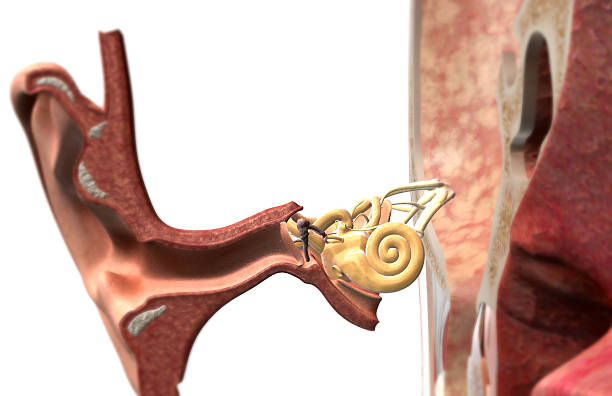
dry or eczema-prone skin.When it comes to the outer ear canal, the golden rule is one of extreme restraint. The ear canal is self-cleaning; jaw movements from talking and eating naturally migrate old skin and wax outward. The best practice for most individuals is to simply wipe the outermost entrance of the canal with a soft, damp cloth wrapped around a finger after showering. The warmth and
steam from a shower often loosen wax, making this gentle wipe sufficient. Inserting cotton swabs, fingers, or any other objects into the ear canal is strongly discouraged. This common misconception often does more harm than good, pushing wax deeper, risking painful impaction, and potentially damaging the sensitive skin or even the eardrum. The skin inside the canal is thin and delicate; aggressive probing can cause micro-tears, leading to infections or inflammation.For those who experience excessive wax buildup or feel a persistent sense of blockage, the safest course of action is to consult a healthcare professional, such as a doctor or audiologist. They can assess the situation and perform safe removal methods if necessary, such as irrigation or manual extraction with specialized tools. At-home irrigation kits can be an option for some, but they should only be used after professional consultation and with strict adherence to instructions, avoiding use if there are any concerns about a perforated eardrum.Furthermore, the hygiene of objects that frequently contact the
ears should not be forgotten. Regularly cleaning items like eyeglass arms, headphones, earbuds, and telephone receivers with an alcohol wipe helps prevent the transfer of bacteria and oils back onto cleansed skin. For those with pierced ears, a dedicated cleaning routine around the piercing site with a saline solution is essential to prevent infection and buildup.Ultimately, the best way to cleanse the skin on the
ears mirrors the principles of good skincare elsewhere: consistency, gentleness, and respect for the body’s natural processes. It is a balanced practice that treats the visible parts of the ear as an extension of the face while acknowledging the self-maintaining nature of the inner canal. By adopting a routine that emphasizes external washing with mild products, cautious drying, and a hands-off policy for the canal itself, one can ensure the
ears remain clean, healthy, and free from the complications that arise from overzealous or improper care. This mindful approach safeguards both the skin’s integrity and the critical hearing function the
ears provide.