The world of skincare is vast, evolving from simple jars of cream to a sophisticated ritual of serums, essences, and targeted treatments. Amidst this evolution, a common question arises: are there actually brushes designed for applying skincare products? The answer is a resounding yes. Far from being a mere marketing gimmick, skincare brushes have carved out a legitimate niche, offering tangible benefits that extend beyond the fingertips of even the most diligent beauty enthusiast.
The primary rationale for using a skincare brush hinges on hygiene and precision. Our fingers, while convenient, are carriers of bacteria, oils, and debris. Repeatedly dipping fingers into a product jar can introduce contaminants, potentially compromising the formula’s integrity and leading to skin issues. A dedicated brush, properly cleaned and maintained, acts as a hygienic barrier. Furthermore, brushes excel in application accuracy. For potent actives like vitamin C, retinol, or acne spot treatments, a small, precise brush allows for targeted delivery exactly where needed, preventing wastage and avoiding irritation on areas of the skin that do not require such intensive care.
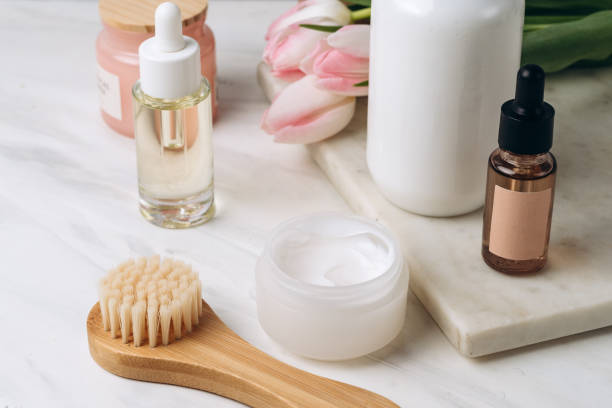
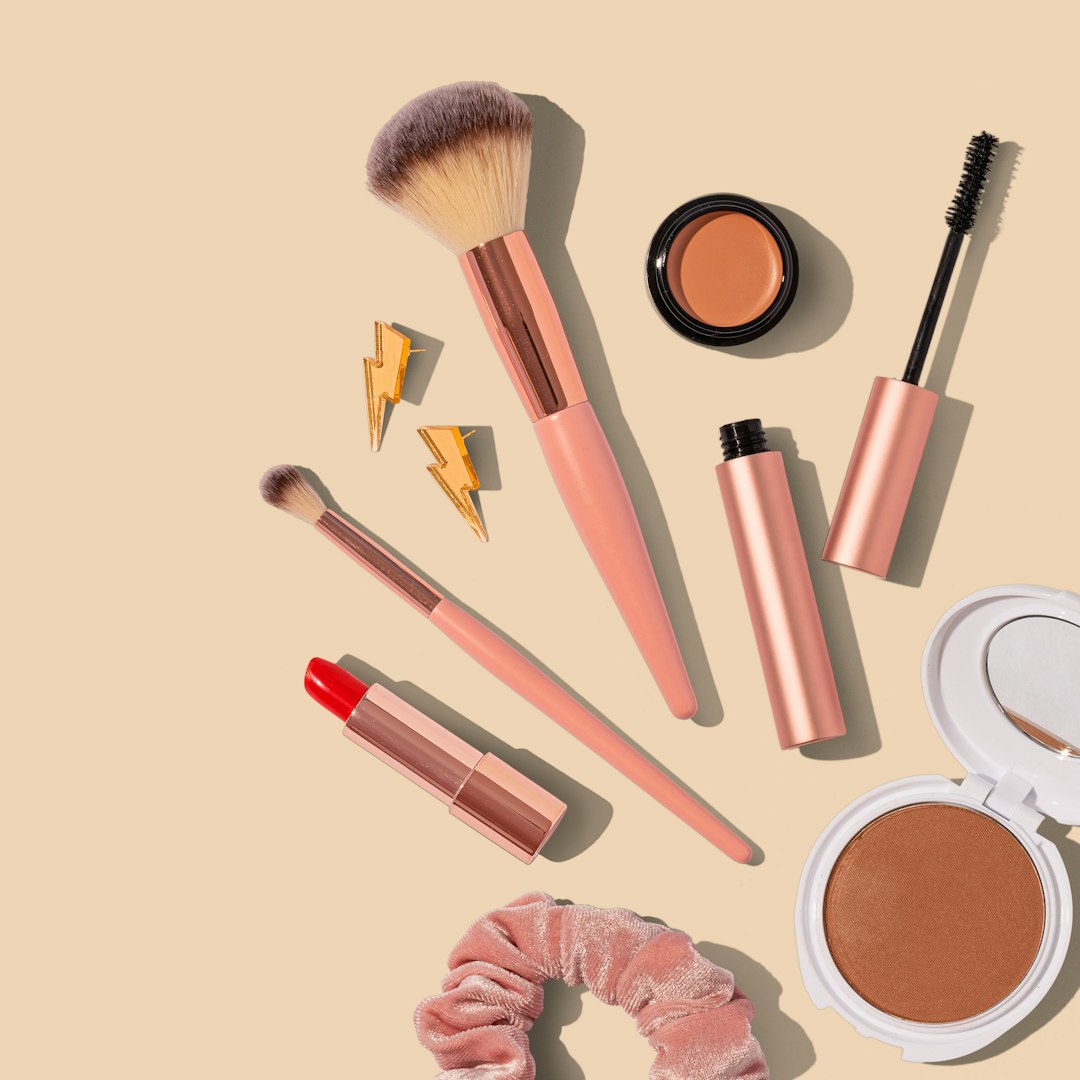
The design of these tools is as varied as the products they are meant to apply. The most common type is the fan brush, with its soft, wide, and flared bristles. It is ideal for applying lightweight lotions, essences, and toners evenly across the cheeks, forehead, and neck. For more viscous products, such as thick creams or masks, a denser, flat-top kabuki-style brush is often preferred. Its tightly packed bristles help pick up and smooth heavier formulas without absorbing an excessive amount. At the smallest end of the spectrum are detailer brushes, reminiscent of art or makeup tools. These tiny, pointed brushes are perfect for applying treatment products precisely around the delicate eye area, on blemishes, or along the lip line.
However, the use of brushes is not without its considerations. The most significant is the necessity for impeccable hygiene. A brush that is not cleaned regularly becomes a breeding ground for bacteria, utterly negating its hygienic advantage. Experts recommend washing skincare brushes with a gentle soap or brush cleanser after every use, or at minimum once a week, and allowing them to air dry completely. Additionally, the material of the bristles matters. Synthetic fibers are generally recommended as they are non-porous, easier to clean, and cruelty-free. Natural hair brushes can absorb more product and may be harder to sanitize thoroughly.
It is also crucial to acknowledge that brushes are not an obligatory step for an effective skincare routine. For many people, clean hands are perfectly sufficient, especially when using products in airless pumps or tubes that minimize contamination. The act of applying skincare with warmed fingertips can also aid in product absorption and provide a gentle, massaging effect that brushes cannot fully replicate. Ultimately, the decision is a personal one, balancing the desire for a hygienic, precise, and sensory experience with the practicality of daily maintenance.
In conclusion, specialized brushes for applying skincare products do indeed exist and offer compelling benefits for those seeking a more meticulous approach to their regimen. They promote hygiene, enable precise application of potent ingredients, and can enhance the overall ritual of self-care. Yet, they are tools of augmentation, not fundamental necessities. Whether one chooses the clinical precision of a synthetic brush or the intimate touch of clean fingers, the cornerstone of effective skincare remains consistent: high-quality products, tailored to one’s skin needs, applied with care and consistency. The brush, therefore, is simply another option in the modern toolkit for achieving healthy, radiant skin.