If you’ve been hearing about
retinol and how it can smooth wrinkles and make your skin glow, you might be ready to give it a try. But here’s the thing a lot of people don’t tell you:
retinol can be really strong at first. You put it on, wake up the next morning, and your face feels like sandpaper. Or it’s red and flaky. That’s not fun, and it can make you want to quit. But there’s a smarter way to start. You don’t have to suffer through the “retinol uglies” to get the good stuff. You just need to take it slow.Think of
retinol like a workout for your skin. If you’ve never lifted weights and you walk into the gym and try to bench press two hundred pounds, you’re going to get hurt. Same thing with retinol. Your skin needs to build up a tolerance. So the first rule is: start with the lowest strength you can find. Look for a
retinol product that says 0.25% or 0.3%. Those numbers are the percentage of
retinol in the bottle. Lower is gentler. You don’t need a prescription strength that’s going to peel your face off. You just need something that wakes your skin up slowly.Another big mistake is using too much, too often. A lot of
women think if a little is good, more must be better. Nope. With retinol, less is more. When you first start, only use it two nights a week. Not every night. Pick Tuesday and Friday. Put a pea-sized amount on your face after you wash it and let your moisturizer dry. That pea-sized amount is key. Do not slather it on like lotion. A little goes a long way. Then wait for a few minutes, and put your regular moisturizer on top. That’s called the “sandwich method.” Moisturizer first, then retinol, then another layer of moisturizer. It protects your skin and keeps the irritation down.You might still get a little bit of flaking. That’s normal. Your skin is turning over faster, pushing old dead cells out. But if it gets red and stingy, you’re doing too much. Back off. Skip a night. Or use it just once a week for a couple of weeks. Your skin will tell you what it can handle. Listen to it. You are not in a race. You are building a long-term habit that will pay off months from now, not tomorrow.Also, think about what else you’re putting on your face. Retinol can make your skin more sensitive to sun and to other strong products. So for the first few months, don’t use anything else that’s harsh. No glycolic acid peels, no strong exfoliators, no benzoyl peroxide spot treatments. Keep it simple. Wash your face with a gentle cleanser. Moisturize well. Use a sunscreen every single morning, even if it’s cloudy. Retinol makes your skin more vulnerable to the sun. If you skip sunscreen, you’re undoing all the good work. Plus, sun is the number one cause of wrinkles. So you’re fighting one fire and starting another if you don’t protect yourself.When you apply
retinol at night, make sure your face is completely dry. If your skin is even a little damp, the
retinol will absorb faster and stronger, and that’s when the redness shows up. Wait about twenty minutes after washing your face. Pat it dry, go brush your teeth, read a magazine, then put the
retinol on. That little pause makes a big difference.One more tip: don’t put
retinol right next to your
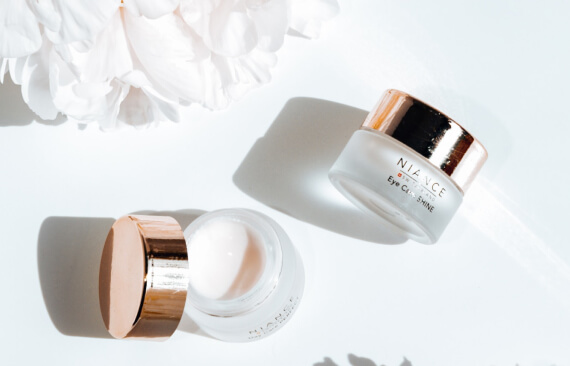
eyes or mouth. Those areas are thin and sensitive. Keep it on your cheeks, forehead, and chin. If you want to treat crow’s feet, use a separate eye cream that has a lower dose of
retinol or another gentle ingredient. Your eye area needs special care.After a month or two, your skin will start to get used to it. You can slowly increase to three nights a week. Then maybe later you can try a slightly stronger strength, like 0.5%. But only if your skin is calm and not red. Some people stay at the low strength forever and get great results. That’s fine. The goal is healthy, smooth skin, not a peeling contest.Remember,
retinol is not a quick fix. You won’t see wrinkles disappear overnight. But if you stick with it for three or four months, you’ll notice your skin looks smoother, your pores seem smaller, and those fine lines are softer. It’s one of the best
tools we have for aging gracefully. Just be patient with yourself and your skin. Start low, go slow, and keep it protected. That’s the secret to loving retinol, not fighting it.