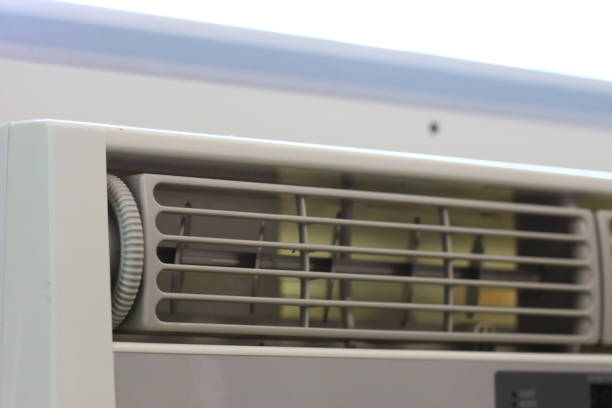
The quest for a comfortable indoor environment leads many of us to rely heavily on air conditioning in the
summer and heating in the winter. While these systems regulate temperature, a common concern arises: could the very air we create for comfort be secretly contributing to wrinkles? The answer is not a simple yes or no, but rather an understanding that air conditioning and heating create conditions that can accelerate skin aging indirectly, primarily through their profound impact on humidity.At its core, wrinkle formation is driven by intrinsic factors like genetics and the natural decline of collagen and elastin over time, and extrinsic factors, primarily sun exposure. However, environmental aggressors play a significant supporting role. Both air conditioning and forced-air heating systems act as dehumidifiers, stripping moisture from the air. This creates an arid environment that challenges the skin’s outermost layer, the stratum corneum. When the air lacks humidity, it draws water from the most readily available source: your skin. This process, known as transepidermal water loss, can lead to compromised skin barrier function. The result is skin that is dehydrated, tight, flaky, and more prone to irritation. Chronically dehydrated skin lacks plumpness, making fine lines—the precursors to deeper wrinkles—more pronounced and visible. Think of a grape slowly turning into a raisin; while not a perfect analogy, it illustrates how loss of moisture leads to a shriveled appearance.Furthermore, the constant alternation between extreme outdoor conditions and artificially controlled indoor climates subjects the skin to significant stress. Moving from a hot, humid
summer day into a cold,
dry air-conditioned room causes the skin’s blood vessels to rapidly constrict and dilate. This thermal shock can generate micro-inflammation and weaken the skin’s resilience over time. Similarly, in winter, stepping from the bitter cold into a dry, heated space exacerbates moisture loss. This cycle forces the skin to work overtime to adapt, potentially breaking down supportive structures faster. Moreover, heated air, particularly from systems that blow directly onto the face, can cause a low-grade form of heat damage, further contributing to collagen degradation and capillary damage, which manifests as redness and uneven texture.It is crucial, however, to distinguish between dehydrated skin and aged skin. Dehydration is a temporary condition that emphasizes the appearance of wrinkles, while aging involves permanent structural breakdown. The good news is that the dehydrating effects of climate-controlled environments are largely manageable with a proactive skincare strategy. The cornerstone of defense is consistent and adequate hydration, both internally and topically. Drinking sufficient water is fundamental. On the skin’s surface, using a gentle, non-stripping cleanser is vital to avoid compounding the drying effect. Following this with a humectant-rich serum containing ingredients like
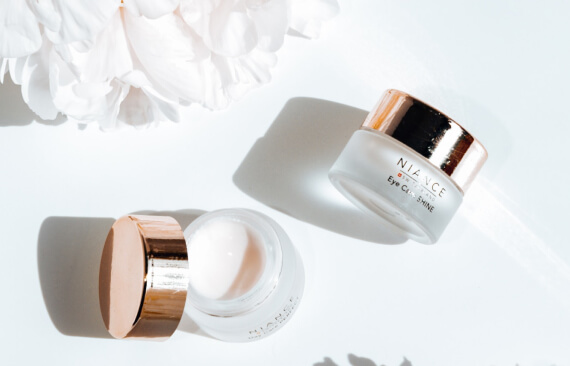
hyaluronic acid or glycerin attracts moisture to the skin. Most importantly, this must be sealed in with a richer, emollient moisturizer or facial oil to create a protective barrier that locks hydration in and shields against the
dry air.Ultimately, while air conditioning and heating are not direct causes of wrinkles in the way that ultraviolet radiation is, they are significant contributors to a skin-hostile environment. By aggressively reducing ambient humidity and subjecting the skin to temperature shocks, they promote dehydration, compromise the skin barrier, and create conditions that make existing lines more visible and can accelerate the aging process. Therefore, the relationship is one of significant aggravation rather than sole causation. The solution lies not in sweltering or shivering, but in intelligent compensation. Through diligent hydration, strategic moisturizing, and perhaps the use of a humidifier to reintroduce moisture into indoor air, one can enjoy modern comforts without sacrificing the health and youthfulness of their skin. The goal is to create a personal microclimate that supports the skin, counteracting the desiccating effects of the artificial environments we inhabit.