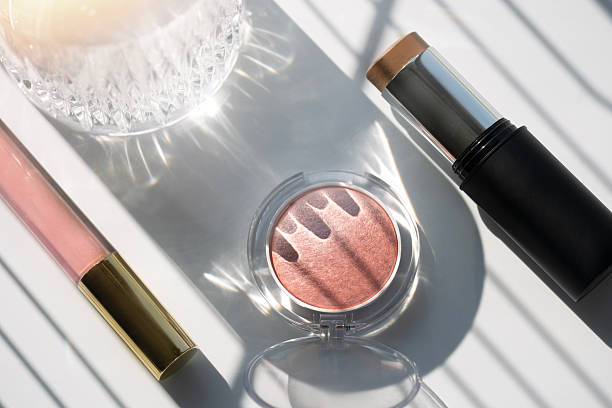
The question of whether tweens, typically defined as children between the ages of nine and twelve, should wear makeup is a modern parenting dilemma that sits at the intersection of personal expression, societal pressure, and developmental psychology. There is no universal answer, as the decision hinges heavily on context, motivation, and moderation. While makeup can be a fun and creative outlet, its introduction during the tween years requires careful consideration to ensure it supports, rather than undermines, a child’s burgeoning sense of self.
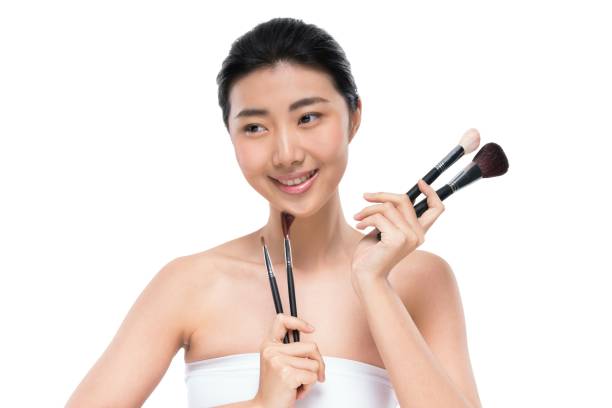
On one hand, makeup can be viewed as a form of artistic play and a step toward autonomy. The tween years are a period of exploration, where children begin to experiment with different identities and modes of self-presentation. In this light, dabbling with clear lip gloss, shimmering eyeshadow, or a touch of blush can be a harmless extension of dress-up, akin to experimenting with fashion or hairstyles. It can be a bonding activity between parents and children, offering a moment to discuss skincare, hygiene, and application in a safe, supervised environment. For some tweens, especially those involved in dance, theater, or other performances, makeup is a practical and normalized part of their activities. When approached from this perspective, makeup is less about concealing or altering one’s appearance and more about celebrating color, creativity, and the simple joy of adornment.
However, the potential pitfalls are significant and warrant serious attention. The primary concern is the powerful messaging embedded in cosmetics culture. Tweenhood is a vulnerable time for self-esteem, marked by physical changes and acute social awareness. Introducing makeup as a daily necessity or a tool to “fix” one’s face can inadvertently send the message that a natural appearance is inadequate. This can accelerate the premature sexualization of young girls, in particular, pressuring them to conform to adult and often unattainable beauty standards before they have the emotional maturity to critically evaluate them. The routine use of foundation or concealer to cover normal skin textures or acne can foster a lifelong dependency, suggesting that perceived imperfections must be hidden rather than accepted as part of healthy, human skin. Furthermore, the social dynamics at school can create pressure, where makeup becomes a costly and divisive status symbol, separating those who own the latest products from those who do not.
Therefore, the guiding principle for parents should not be a simple yes or no, but rather a focus on the “why” and “how.“ Open communication is essential. Is the tween interested in makeup because of internal curiosity, or because of external pressure to look older or fit in? The motivation reveals much about their readiness. Establishing clear, age-appropriate boundaries is also crucial. This might mean allowing makeup for special occasions or weekend play, but not for the school day, or permitting fun, colorful products while delaying more corrective, skin-tone-based items like foundation. Education is a key component of this process, shifting the narrative from masking to care. Lessons about gentle skincare routines, sunscreen, and the importance of removing makeup thoroughly can ground the practice in health rather than insecurity.
Ultimately, the decision is a highly personal one for each family. If introduced, makeup for tweens should be framed as a choice, not an obligation—a small form of creative expression in a toolbox of many ways to explore identity. It should never feel like a prerequisite for leaving the house or facing peers. By prioritizing self-acceptance, fostering critical thinking about media messages, and maintaining an open dialogue, parents can help ensure that any engagement with makeup at this tender age strengthens a tween’s confidence from the inside out. The goal is to nurture individuals who feel they can wear makeup for fun, not because they believe they need it to be seen.