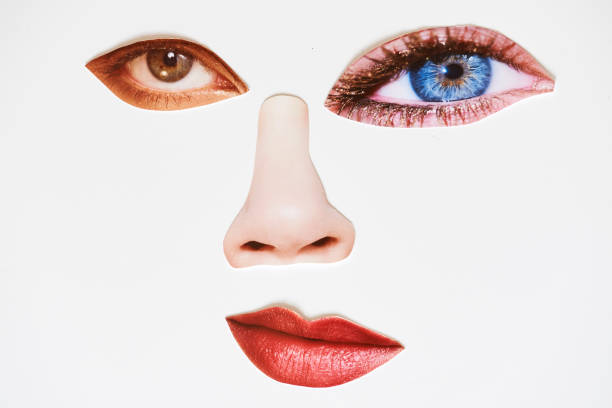
The human face is a canvas of communication, capable of conveying a vast spectrum of emotions and intentions in an instant. While we often consider facial expressions as fleeting reactions, the consistent, repeated use of specific muscular configurations can have a profound and lasting impact, shaping not only our physical appearance but also our internal emotional experience and social interactions. This phenomenon, sometimes encapsulated in the popular adage that “the face you wear at forty is the face you deserve,“ speaks to a deeper biological and psychological truth about the power of habit.On a physiological level, the impact of repetitive facial expressions is rooted in the basic principles of muscle memory and skin elasticity. The face is animated by a complex network of over forty muscles, each contracting and relaxing to produce smiles, frowns, scowls, and looks of surprise. Just as a bodybuilder develops defined pectorals through repeated exercise, the facial muscles involved in our most habitual expressions can develop subtle, permanent tension or grooves. Over decades, the collagen and elastin fibers in the skin break down with age, and the creases formed by these repeated movements—known as dynamic wrinkles—become etched as static lines. A lifetime of frequent smiling often leads to crow’s
feet and laugh lines, while chronic frowning or squinting can result in pronounced furrows between the brows or across the forehead. Thus, our emotional habits quite literally shape our visage, creating a physical map of our most frequent inner states.Beyond the mirror, the impact ventures into the realm of psychology through the compelling theory of facial feedback. This hypothesis suggests that the act of forming a facial expression can send signals back to the brain, influencing and even generating the corresponding emotional state. In essence, the face does not merely reflect feeling; it can actively cultivate it. Repetitively smiling, even when not initially genuine, can trigger mild feelings of happiness or amusement by activating associated neural pathways. Conversely, consistently wearing a furrowed brow or a tightened jaw may amplify feelings of stress, anxiety, or anger. This creates a powerful feedback loop: our expressions reinforce our moods, and our moods perpetuate our expressions. Therefore, cultivating a habit of positive, open expressions can serve as a tool for emotional regulation, potentially fostering greater resilience and a more positive baseline mood over time.The social consequences of these repetitive patterns are equally significant. Humans are innately social creatures, and we constantly, often subconsciously, read each other’s faces to gauge intent, approachability, and empathy. A person whose resting face is shaped by habitual scowling or neutrality may be perceived as unapproachable, angry, or disinterested, regardless of their actual disposition. This can create unintended social barriers, affecting personal relationships and professional opportunities. On the other hand, someone whose face is accustomed to expressions of warmth and engagement often benefits from a “halo effect,“ being perceived as more trustworthy, competent, and likable. These perceptions trigger reciprocal behaviors from others, thereby shaping the social environment one inhabits. In this way, our repetitive expressions script the first lines of every social interaction we have.Ultimately, the impact of repetitive facial expressions is a testament to the profound interconnection between body and mind. They are not merely superficial quirks but powerful forces that sculpt our physical appearance, steer our emotional currents, and dictate the tenor of our social world. Understanding this influence grants us a degree of agency. By becoming more mindful of our habitual expressions—relaxing a clenched jaw, softening a habitual frown, or consciously choosing to smile more—we engage in a form of self-care that transcends vanity. We participate in shaping not just how the world sees us, but how we experience the world from within, forging a more harmonious alignment between our internal state and our external presence.