The tween years, that bridge between childhood and adolescence, are a time of significant change, not least for the skin. As hormones begin to stir, many tweens experience their first bouts of oiliness, blackheads, or mild acne. In their quest for clearer skin, they—and their parents—often encounter the world of exfoliation, a skincare step surrounded by both hype and confusion. The question of whether tweens should exfoliate is not a simple yes or no; it requires a nuanced understanding of their skin’s delicate needs. Ultimately, while exfoliation can be introduced cautiously, it is far from necessary and must be approached with an emphasis on gentleness and simplicity.
It is crucial first to recognize that tween skin is fundamentally different from adult skin. It is typically more resilient in terms of collagen but is also undergoing a dramatic physiological shift. The surge in androgen hormones stimulates the sebaceous glands, leading to increased oil production. This can result in clogged pores and the onset of acne. In this context, the theoretical benefit of exfoliation is clear: by removing the buildup of dead skin cells on the surface, it can help prevent pores from becoming blocked, thereby reducing breakouts. A very mild, chemical exfoliant like salicylic acid, which can penetrate oil, might be considered for occasional use on oily zones. However, this is a targeted solution, not a foundational skincare step.
The significant risks of improper exfoliation for this age group cannot be overstated. Tween skin is still developing its barrier function, and aggressive scrubbing—whether with harsh physical scrubs, rough washcloths, or overly potent chemical treatments—can cause micro-tears, inflammation, and significant irritation. This damaged barrier not only causes redness and discomfort but can actually worsen acne by creating an entry point for bacteria and prompting even more oil production as the skin tries to compensate. Furthermore, the culture of multi-step skincare, often promoted on social media, can lead tweens to overdo it, layering multiple active products that their skin does not need and cannot tolerate. The potential for harm, including long-term sensitivity, far outweighs the marginal benefits for most tweens.
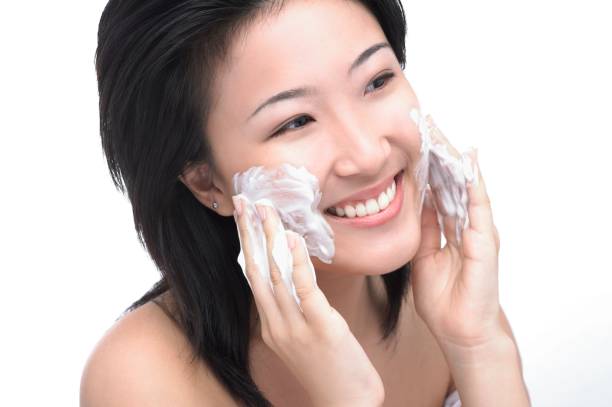
Therefore, the cornerstone of tween skincare should be a consistent and gentle routine, not aggressive exfoliation. This foundation consists of two non-negotiable steps: a mild, fragrance-free cleanser used no more than twice daily, and a lightweight, oil-free, non-comedogenic moisturizer. Sun protection is also paramount, as young skin is particularly vulnerable to UV damage. This simple regimen maintains the skin’s natural balance, supports its protective barrier, and manages oil without stripping or irritating. For most tweens dealing with early breakouts or blackheads, this baseline routine, paired with patience, is entirely sufficient.
If, after establishing a gentle routine, a tween continues to struggle with persistent blackheads or mild acne on areas like the forehead, nose, or chin, a cautious foray into exfoliation may be considered. This should be done under parental guidance and with a pediatrician or dermatologist’s advice. The exclusive focus should be on gentle chemical exfoliants, specifically low-concentration salicylic acid or mandelic acid, and never on physical scrubs. A product should be introduced slowly—once a week at most—and applied only to affected areas, not the entire face. Crucially, it must be viewed as an occasional tool, not a daily ritual.
In conclusion, the journey to healthy skin for tweens is not found in complex routines or harsh treatments. While exfoliation can have a minor, targeted role in managing specific concerns, it is generally unnecessary and carries a high risk of misuse. The healthiest approach prioritizes preservation over correction, nurturing the skin’s natural barrier with the mildest possible products. By fostering habits of gentle cleansing, consistent moisturizing, and diligent sun protection, we equip tweens with a sustainable skincare philosophy that will serve their evolving skin far better than any exfoliant could during these tender years.