The quest for relief from dry skin is a journey marked by flaking, tightness, and a persistent search for moisture. While many diligently apply creams and avoid harsh soaps, a surprising number find their efforts falling short, their skin remaining parched and uncomfortable. This common frustration often stems from a single, fundamental error: the over-reliance on hydration alone, while critically neglecting the essential role of sealing in that moisture. In essence, people with dry skin frequently focus on adding water to the skin but fail to prevent its rapid escape.
To understand this mistake, one must first distinguish between hydration and moisturization, two concepts that are synergistic but distinct. Hydration refers to the water content within the skin cells, plumping them up for a smooth, supple appearance. Moisturization, however, is the act of preventing the loss of that water. Dry skin (xerosis) is fundamentally a compromised barrier; the lipid layer, which acts like the mortar between the skin’s brick-like cells, is deficient. This faulty barrier allows transepidermal water loss to occur at an accelerated rate. Therefore, applying a product rich in humectants—ingredients like hyaluronic acid or glycerin that draw water into the skin—can backfire if applied in a dry environment or without a follow-up step. The humectant will pull moisture from the deeper layers of the skin to the surface, only for it to evaporate immediately into the air, potentially leaving the skin even drier than before.
This misguided approach manifests in several common routines. An individual might splash their face with water and apply a lightweight, water-based gel serum, feeling an initial burst of cool hydration, only to experience tightness an hour later. They may use a facial mist throughout the day, providing momentary refreshment but no lasting barrier, leading to increased evaporation. The most telling sign of this mistake is the constant reapplication of products without ever achieving lasting comfort. The skin drinks up the cream yet remains thirsty because the reservoir has a gaping hole.
The corrective measure is not to abandon hydration, but to strategically lock it in. The solution lies in the consistent use of occlusives and emollients. Occlusives are ingredients that form a protective, semi-permeable film on the skin’s surface, physically blocking water loss. Classic examples include petrolatum, mineral oil, lanolin, and silicones. Emollients, such as ceramides, fatty acids, and plant oils like jojoba or squalane, work by filling in the cracks between skin cells, smoothing and repairing the lipid barrier itself. An effective routine for dry skin should be a deliberate, layered strategy.
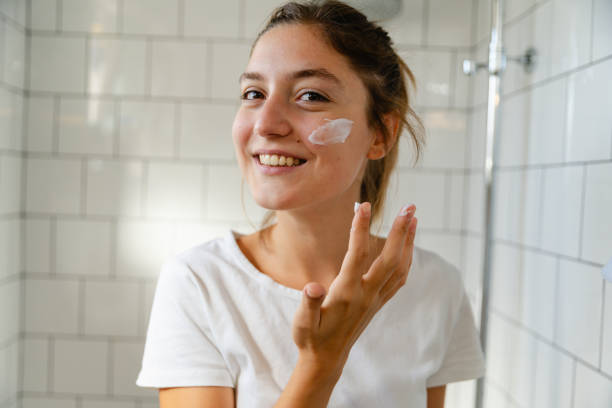
The ideal practice begins with adding hydration to slightly damp skin, capitalizing on the present water. This could be a humectant-rich toner or serum. Immediately following, while the skin is still moist, a richer moisturizer containing a blend of emollients and occlusives should be applied. This final layer acts as a sealant, trapping the hydration beneath it and allowing the skin barrier to repair itself over time. At night, this principle can be amplified with a slightly heavier cream or even a thin layer of an occlusive ointment over particularly dry areas. This nightly “seal” gives the skin a prolonged period of protected recovery, free from the environmental stressors of the day.
Ultimately, managing dry skin is less about frequent watering and more about intelligent architecture. It requires building and maintaining a robust defensive wall. The biggest mistake is to pour water into a broken vessel. By shifting focus from mere hydration to comprehensive barrier repair and protection, individuals can transform their skincare from a cycle of temporary relief into a foundation for lasting resilience and comfort. The skin’s natural balance can be restored, not by adding more, but by strategically securing what is already there.