The question of whether to adjust your cleanser is one of the most pertinent yet overlooked in skincare. While we meticulously research serums and moisturizers, cleanser is often an afterthought—a utilitarian product grabbed off the shelf. Yet, this first step sets the stage for everything that follows. The answer is not a simple yes or no, but rather a thoughtful consideration of your skin’s evolving dialogue with you. Adjusting your cleanser can be the key to resolving persistent issues and achieving a truly healthy complexion.Our skin is not a static canvas; it is a living, responsive organ that changes with internal and external forces. The cleanser that served you perfectly in the humid
summer may become stripping in the dry, heated air of winter. Hormonal shifts, stress, aging, medication, and even changes in water hardness or diet can alter your skin’s needs. A cleanser that leaves your skin feeling “squeaky clean” and tight is often doing more harm than good, signaling that it has disrupted the skin’s essential lipid barrier. Conversely, a cleanser that leaves a persistent film or fails to remove sunscreen and makeup adequately can lead to clogged pores and dullness. Therefore, paying attention to these signals is the first step in knowing if an adjustment is necessary.The primary consideration should always be your
skin type and its current condition. For those with
oily or acne-prone skin, a gel or foaming cleanser with gentle actives like salicylic acid or benzoyl peroxide can be beneficial. However, overuse can trigger rebound oil production. If your skin feels parched or sensitive shortly after washing, it may be time to switch to a hydrating cream or milky formula. For
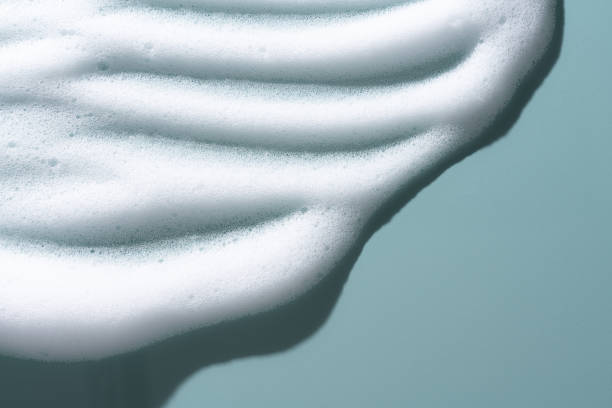
normal or combination skin, a balanced, pH-neutral foaming cream might be ideal. The golden rule is that cleansing should remove impurities without compromising the skin barrier. If you experience increased redness, flakiness, stinging, or a feeling of dryness that lasts until you apply your next product, your cleanser is too harsh.Furthermore, your cleanser should be in harmony with the other products in your routine and your environmental demands. If you have introduced potent actives like retinoids or exfoliating acids into your regimen, your cleanser should become a bastion of gentleness to counteract potential irritation. Similarly, if you wear heavy, waterproof makeup or mineral sunscreen, a double-cleansing method—starting with an oil-based balm or micellar water to dissolve makeup, followed by a gentle water-based cleanser—might be a necessary adjustment rather than relying on a single harsh product to do all the work. This approach ensures thorough cleansing without aggression.Ultimately, adjusting your cleanser is not about chasing trends but about practicing mindful skincare. It requires honest observation. Listen to the immediate feeling post-cleanse and monitor how your skin behaves throughout the day. Do not be afraid to own multiple cleansers for different seasons or skin states, much like you would a wardrobe. The goal is to find a formula that effectively removes debris while leaving your skin feeling balanced, comfortable, and prepared to receive the benefits of the treatments that follow. In the symphony of your skincare routine, your cleanser is the opening note—it should set a harmonious tone, not one of discord. Therefore, if your skin is speaking to you through discomfort or imbalance, the answer is clear: yes, you should absolutely consider adjusting your cleanser. It is a small change with the potential to make a profound difference in your skin’s health and appearance.