For those with oily skin, the relationship with skincare can feel paradoxical. The skin produces excess sebum, leading to a persistent shine and often breakouts, so the instinct is to strip it clean with harsh, drying products. In this context, the idea of applying moisturizer can seem counterintuitive, even alarming. A common fear whispers: “Will adding more moisture to my already oily skin lead to clogged pores, breakouts, and—surprisingly—even wrinkles?“ This concern, while understandable, is rooted in a fundamental misunderstanding of skin biology and the true purpose of moisturizer. The direct answer is no; a properly chosen moisturizer will not cause wrinkles. In fact, for oily skin, skipping moisturizer can potentially accelerate the very signs of aging you wish to avoid.
To understand why, one must first distinguish between skin type and skin condition. Oily skin is a type, characterized by overactive sebaceous glands. Wrinkles, however, are primarily the result of aging, sun damage, environmental factors, and the breakdown of collagen and elastin. They are not caused by surface oil or hydration. In fact, the natural oil (sebum) your skin produces contains antioxidants and can provide a slight barrier against moisture loss, potentially offering a minuscule delay in the appearance of fine lines from dehydration. However, this does not mean oily skin is immune to aging or dehydration. Many people with oily skin use aggressive cleansers and astringents that strip the skin’s surface. This can disrupt the skin barrier, leading to a confused state where the skin is both oily and dehydrated—a condition known as “oily dehydrated skin.“ A compromised barrier cannot function properly, leaving skin vulnerable to irritation, inflammation, and trans-epidermal water loss, which can make fine lines more pronounced.
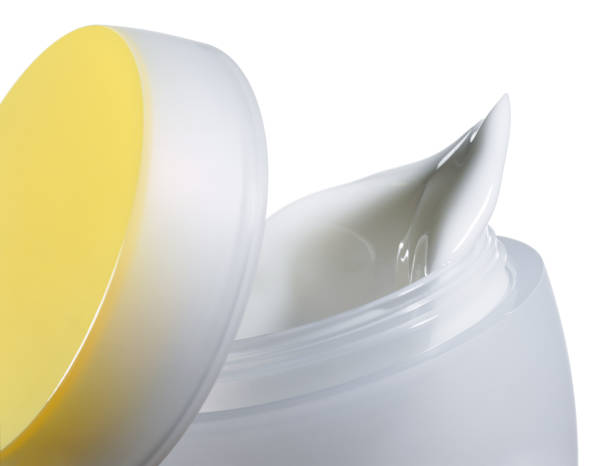
This is where a suitable moisturizer plays a critical, protective role. Moisturizers for oily skin are not designed to add oil; they are formulated to add hydration and support the skin barrier. Key ingredients like hyaluronic acid, glycerin, and niacinamide draw water into the skin and help to regulate sebum production without clogging pores. By maintaining a healthy, hydrated barrier, the skin remains plump and resilient. Plump skin cells reflect light better, making fine lines less visible. Conversely, dehydrated skin, regardless of how oily it is underneath, can look dull and make any existing lines appear more etched. Therefore, a good moisturizer helps to prevent the premature appearance of wrinkles caused by dehydration and barrier damage.
The critical caveat lies in product selection. Using a heavy, occlusive, or comedogenic moisturizer designed for very dry skin on oily skin can indeed lead to problems like clogged pores and milia, which are small, keratin-filled bumps that can resemble wrinkles at a glance. This is likely the origin of the myth. The goal is not to smother the skin but to balance it. Look for oil-free, non-comedogenic labels and lightweight textures such as gels, gel-creams, or fluid lotions. Furthermore, the most powerful anti-aging step anyone with any skin type can take is daily, broad-spectrum sunscreen. Sun exposure is the leading cause of photoaging, including wrinkles, loss of elasticity, and hyperpigmentation. A moisturizer with added SPF can be an excellent two-in-one solution for the oily-skinned individual.
In conclusion, the fear that moisturizer causes wrinkles for those with oily skin is a misconception. Abandoning moisturizer risks dehydrating the skin and impairing its protective barrier, which can exacerbate the visible signs of aging. A strategic approach to skincare—involving gentle cleansing, non-comedogenic hydration, and diligent sun protection—is the true path to maintaining a clear, balanced, and youthful complexion. Moisturizer is not the enemy of oily skin; it is an essential ally in fostering long-term health and mitigating the factors that truly contribute to wrinkles.