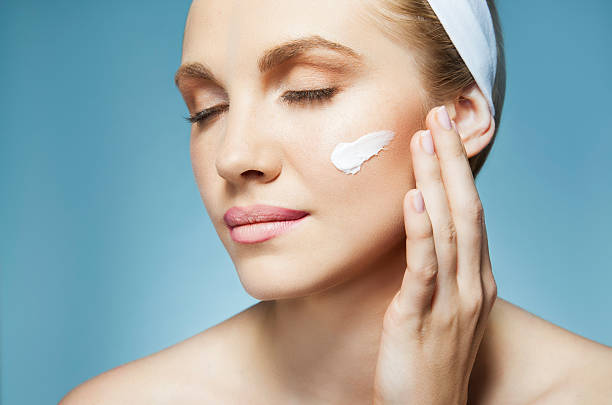
The world of skincare is vast and often overwhelming, with few ingredients holding as much revered—and sometimes feared—status as retinol. For those who have never incorporated it into their routine, the question of whether to begin is a common one, accompanied by a mix of excitement about its proven benefits and anxiety about potential side effects. The resounding answer is yes, you can absolutely start using retinol if you haven’t before, but the journey must be approached with patience, knowledge, and a strategic plan to ensure a positive experience. Retinol, a derivative of vitamin A, is celebrated for its unparalleled ability to accelerate skin cell turnover. This process delivers a multitude of benefits, including diminishing the appearance of fine lines and wrinkles, fading hyperpigmentation and sun spots, unclogging pores to combat acne, and improving overall skin texture and tone. Its efficacy is backed by decades of dermatological research, making it a true cornerstone of preventative and corrective skincare.
However, the very mechanism that makes retinol so effective is also the source of its notorious adjustment period, often referred to as “retinization.“ As retinol encourages newer skin cells to come to the surface, initial side effects like dryness, flaking, redness, and mild irritation are common. For a beginner, these effects can be alarming and may lead to abandoning the product altogether. This is why a gentle, gradual introduction is non-negotiable. Success lies not in the strength of the product you choose first, but in the consistency and care of your application method. The key is to start low and go slow. Beginners should seek an over-the-counter formula with a low concentration, typically around 0.25% or 0.3%. This allows your skin to build tolerance without overwhelming its barrier. Furthermore, the frequency of application should be minimal at the outset. A prudent approach is to apply a pea-sized amount for the entire face once or twice a week, ideally in the evening, for the first few weeks. You can then gradually increase frequency to every other night, and eventually, as your skin tolerates it, most nights.
Preparation and technique are equally critical for a smooth transition. Retinol should be applied to completely dry skin, as damp skin can increase penetration and, consequently, irritation. After cleansing and gently patting your face dry, wait a full twenty minutes before applying your retinol product. This simple step is a powerful tool for mitigating sensitivity. Following retinol, always apply a nourishing, fragrance-free moisturizer to help counteract dryness and support the skin barrier. Some find success with the “sandwich method,“ where moisturizer is applied both before and after retinol, creating a buffering effect. Equally vital is the unwavering commitment to daily broad-spectrum sunscreen use during the day. Retinol can make new skin cells more vulnerable to sun damage, making sun protection an essential part of the routine, not an optional step.
It is also wise to temporarily simplify your regimen when introducing retinol. Pausing the use of other potent actives like alpha-hydroxy acids (AHAs), beta-hydroxy acids (BHAs), and vitamin C in the initial weeks can help you discern how your skin is reacting and prevent cumulative irritation. Listen to your skin attentively; a slight tingling might be expected, but persistent stinging, burning, or severe redness are signals to reduce frequency or take a brief break. While the initial adjustment may require diligence, the long-term rewards are significant. With consistent and careful use over months, the initial irritation typically subsides, revealing smoother, clearer, and more radiant skin. Therefore, beginning retinol is not only possible for a novice but can be a transformative step in one’s skincare journey. By respecting the process, starting with humility, and prioritizing skin barrier health, anyone can harness the remarkable benefits of this gold-standard ingredient, turning a moment of hesitation into a confident stride toward healthier skin.