Let’s be real. By the time you hit your 50s, you have seen a lot. You have raised kids, built a career, dealt with stress, and maybe lost a little sleep along the way. Your face reflects that life. And that is not a bad thing. But if you are starting to notice your skin feels different than it did in your 40s, you are not imagining things. There is one big change happening that you need to understand, and it has nothing to do with buying another expensive cream. It has to do with the stuff going on underneath the surface.In your 50s, your body goes through a massive hormonal shift. This is the main event. The drop in estrogen that comes with menopause changes how your skin behaves. Before this, your skin held onto moisture pretty well. It had a certain plumpness and spring. But now, that support structure is getting weaker. Your skin produces less oil, which is actually a good thing for older skin because less oil means fewer breakouts, but it also means your skin loses its natural barrier faster. That barrier is what keeps the good stuff in and the bad stuff out. Without it, water escapes, and your skin starts looking thinner, drier, and more fragile.Think of your skin like a mattress. In your younger years, the springs and padding were tight and full. Now, the padding has thinned out. The springs are a little looser. That translates into wrinkles that are deeper and more set, especially around the
mouth and eyes, and a general loss of that firm, lifted look. You might also notice more sagging around the jawline or neck. This is just gravity and biology working together, and no amount of willpower can stop it completely. But you can absolutely slow it down and make a big difference in how comfortable and healthy your skin feels.So what do you actually do? The first step is to stop fighting the dryness. You need to accept that your skin needs more help holding onto water now. This is where your disposable income can work for you in a smart way. Look for products that are built for mature skin, not just any
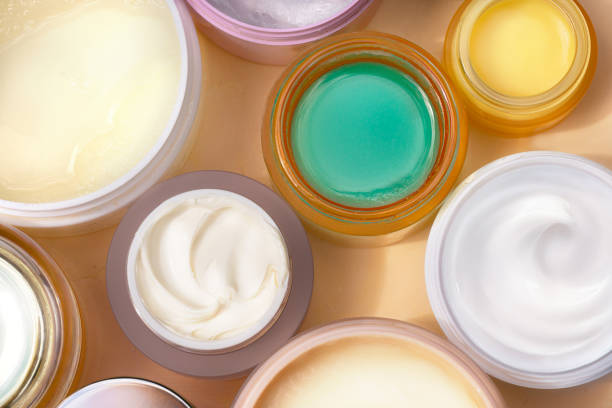
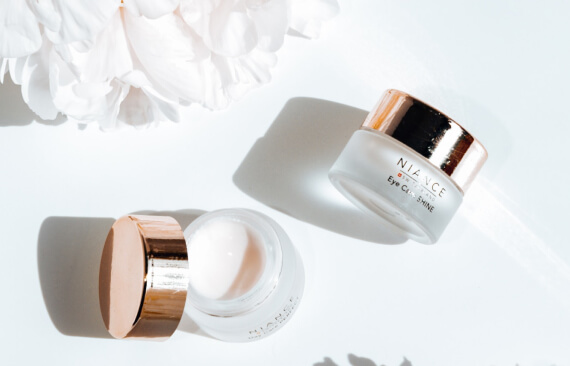
anti-aging line. You want things that are rich and creamy. But you do not need five different pots of stuff. You just need the right kind of moisture. A good moisturizer with ingredients like ceramides, which are the building blocks of your skin barrier, is a game changer. Another helpful ingredient is something called niacinamide. It helps soothe irritation and strengthens that barrier without being greasy.You also need to rethink how you wash your face. In your
20s and 30s, you might have scrubbed hard to get rid of oil. In your 50s, scrubbing only makes things worse. Harsh cleansers strip away the little oil you have left, leaving your skin red, tight, and even more wrinkled. Switch to a gentle, creamy cleanser. One that does not foam a lot. Your face should feel soft and calm after washing, not squeaky clean or tight. And please, do not use bar soap on your face. That is a recipe for disaster.Another big piece of the puzzle is what you put inside your body. You have probably heard it a million times, but drinking enough water really matters now. Your internal plumbing is affected by hormones too. Your skin cannot hold onto water as well, so you need to give it a steady supply. And while you are at it, consider your diet. Your skin in your 50s responds well to healthy fats. Things like avocado, olive oil, nuts, and fatty fish help keep that barrier from drying out. Also, purple and red fruits like berries and pomegranates are packed with things that help protect skin from damage. You do not need a weird smoothie every day. Just add a handful of berries to your oatmeal or have salmon once a week.One last thing that is often ignored is sleep. In your 50s, sleep might be harder to come by because of night sweats or restless legs. But when you sleep, your skin repairs itself. If you are not getting quality rest, your face will show it. Try to create a cool, dark room. Use a humidifier if the air in your house is dry, especially in winter. That little bit of extra moisture in the air helps your skin not feel so tight in the morning.The bottom line is simple. Your 50s are not a time to panic. They are a time to pivot. You cannot turn back the clock, but you can make the skin you have right now feel strong, comfortable, and healthy. Stop chasing products that promise to erase everything. Start focusing on building a solid foundation that supports your skin through this big change. Your face has earned the life you have lived. Treat it with kindness, not harsh chemicals or rough scrubbing. Give it the moisture and protection it needs, and you will be surprised at how good it can look.