Let’s be real for a second. You already know you need sleep to feel good. But did you know that wrecking your sleep schedule is basically an open invitation for wrinkles to show up early? It’s true. Your skin does its most important work while you’re snoozing. And if you’re not giving it enough time or quality, your face pays the price.Think of sleep as your skin’s nightly maintenance shift. During the day, your skin fights off pollution, UV rays, and stress. It takes a beating. At night, while you’re out cold, your body goes into repair mode. Blood flow to your skin increases, and that brings oxygen and nutrients that help rebuild collagen. Collagen is the stuff that keeps your skin plump and bouncy. Less sleep means less repair time, which means collagen breaks down faster. The result? Fine lines turn into deep creases, and your skin loses that youthful snap.There’s also the stress factor. When you’re sleep-deprived, your body pumps out more of a hormone called cortisol. High cortisol levels break down collagen and elastin, the fibers that keep your skin tight and smooth. So not sleeping enough doesn’t just make you tired — it actively damages the structure that keeps wrinkles away. That’s a double whammy you don’t want.But here’s the good news: fixing your sleep habits is one of the easiest, cheapest, and most effective
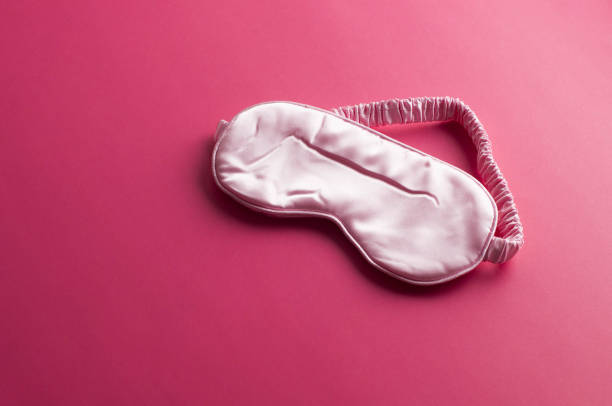
anti-aging moves you can make. You don’t need an expensive cream or a fancy gadget. You just need to commit to a few simple changes.First, get consistent. Your body’s internal clock loves routine. Try to go to bed and wake up at the same time every day, even on weekends. I know, it’s tempting to sleep in on Saturday, but that messes up your rhythm and makes your sleep less restful. Aim for seven to nine hours a night. That’s the sweet spot where most people get enough deep sleep for skin repair.Next, make your bedroom a sleep sanctuary. Keep it cool — around sixty-five to sixty-eight degrees is ideal. A cooler room helps your body drop its core temperature, which signals it’s time to sleep. Darken the room completely. Use blackout curtains or a sleep mask. Light, especially blue light from phones and tablets, tricks your brain into thinking it’s daytime and suppresses melatonin. That’s the hormone that helps you
fall asleep.Speaking of screens, put them away at least an hour before bed. The blue light is a major wrinkle accelerator. It penetrates deep into your skin and damages collagen just like the sun does. Plus, scrolling through social media or emails stresses your brain, making it harder to wind down. Try reading a real book, listening to calm music, or doing a few gentle stretches instead.Your pillowcase matters more than you think. Cotton pillowcases can pull and tug at your skin while you toss and turn, creating sleep lines that eventually become permanent wrinkles. Switch to a silk or satin pillowcase. It’s smoother, so your skin glides over it without all that friction. It also won’t absorb as much moisture, which helps keep your natural oils in place.Also, pay attention to your sleeping position. Sleeping on your side or stomach squishes your face into the pillow night after night, leading to “sleep wrinkles” on your
cheeks and forehead. If you can, try sleeping on your back. It’s the only position that lets your skin breathe without pressure. It might feel weird at first, but you can train yourself to stay in that position with a body pillow or a small wedge to keep you from rolling over.Hydration is another piece of the puzzle. Drinking enough water during the day keeps your skin cells plump, but don’t chug a ton right before bed — you’ll just wake up to pee. Instead, stay hydrated throughout the day, and keep a light moisturizer on your nightstand. Apply it right after washing your face, while skin is still slightly damp, to lock in moisture. A humidifier in your bedroom can also help, especially in
dry climates or during
winter when indoor heating sucks the water right out of your skin.One more thing: stress management before bed. A lot of us carry the day’s worries into the bedroom, which keeps our brain buzzing when it should be shutting down. Try a simple five-minute breathing exercise. Inhale for four seconds, hold for four, exhale for four. Do that a few times. It lowers your heart rate and signals your nervous system that it’s safe to relax. Less stress means lower cortisol, and lower cortisol means fewer wrinkles.Look, you don’t have to overhaul your entire life overnight. Start with one change. Maybe it’s the silk pillowcase. Maybe it’s turning off your phone thirty minutes earlier. Maybe it’s just committing to a bedtime that actually lets you get seven hours. Small wins add up. Your skin will thank you with a smoother, brighter, more youthful look — and you’ll wake up feeling better, too. That’s a win-win you can’t afford to miss.