Retinol, a derivative of vitamin A, has earned its reputation as a gold-standard ingredient in skincare, celebrated for its ability to address concerns from fine lines and acne to uneven texture and dullness. However, its potency is a double-edged sword, making the question of frequency paramount. Using it too often can lead to irritation, while using it too sparingly may yield lackluster results. The optimal frequency for applying retinol is not a one-size-fits-all answer but rather a personalized journey that depends on skin type, the product’s strength, and individual tolerance.
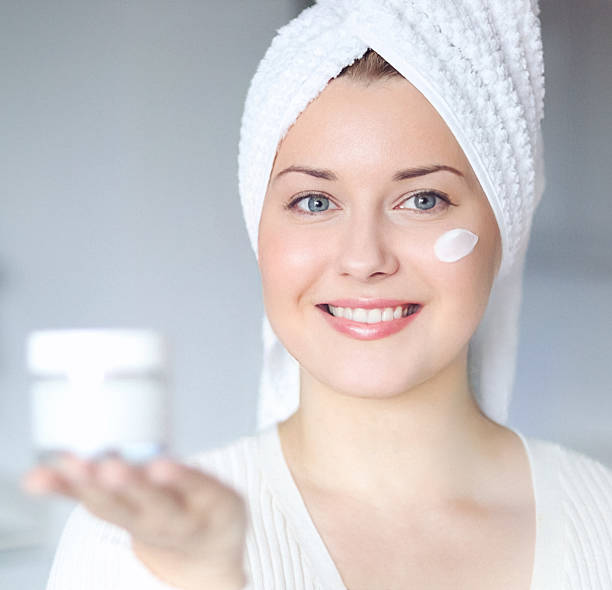
For absolute beginners, the cardinal rule is to start with immense patience and a low frequency. Introducing retinol once or twice a week, ideally every third night, is the most widely recommended approach. This cautious start allows the skin’s cellular receptors to acclimate to the ingredient without overwhelming the skin barrier. It is crucial to apply a pea-sized amount to completely dry skin, as damp skin can increase penetration and the risk of irritation. During this initial phase, which may last several weeks, the skin may undergo a period of adjustment often called “retinization.“ This can involve flaking, redness, or dryness—a normal but temporary process. The goal is not to power through with daily use but to maintain this minimal schedule until the skin no longer exhibits these reactive signs.
Once the skin has comfortably adapted to the initial schedule, frequency can be gradually increased. Many individuals find they can progress to using retinol every other night, and eventually, with continued tolerance, to nightly application. Achieving nightly use is often considered the ideal endpoint for consistent, visible results, as it provides a sustained stimulus for skin cell renewal and collagen production. However, it is vital to understand that nightly use is not a mandatory goal for everyone. Those with sensitive or rosacea-prone skin may discover their sweet spot remains at two or three times per week indefinitely. Listening to your skin’s signals—persistent redness, stinging, or barrier compromise—is more important than adhering to an arbitrary daily regimen.
The concentration of retinol in your chosen product is a critical factor dictating frequency. Over-the-counter formulations typically range from 0.1% to 1.0%. A 0.1% formula may be gentle enough for more frequent use relatively quickly, while a prescription-strength retinoid like tretinoin demands a far more conservative and medically supervised approach. Furthermore, skin type plays a significant role. Oily or resilient skin often tolerates more frequent application sooner than dry or sensitive skin types. The surrounding skincare routine also influences retinol frequency. Using other potent actives like alpha hydroxy acids (AHAs), beta hydroxy acids (BHAs), or vitamin C on the same night can heighten irritation. A prudent strategy is to alternate these ingredients, using retinol on some nights and other actives on different nights, or simply focusing on hydration and barrier repair alongside your retinol schedule.
Ultimately, the rhythm of retinol application is a balance between efficacy and tolerance. It is a long-term commitment, where consistency over months and years yields the most transformative benefits, not aggressive, frequent use that damages the skin barrier. The journey requires attentive observation: if your skin feels comfortable, looks radiant, and shows improvement in your target concerns, your current frequency is likely correct. If irritation persists, scaling back is a sign of smart skincare, not failure. Consulting a dermatologist can provide personalized guidance, especially for addressing specific conditions like stubborn acne or pronounced photodamage. By respecting retinol’s power and introducing it thoughtfully, you can harness its remarkable benefits for healthier, more rejuvenated skin for years to come.