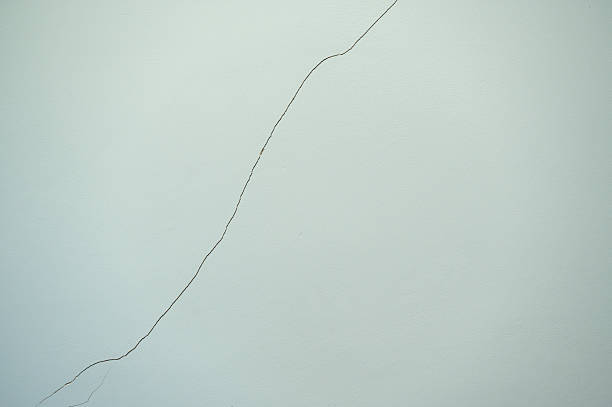
Discovering deep cracks in your walls, foundation, or driveway can be a source of significant concern for any homeowner. These fissures are more than just cosmetic flaws; they can be symptoms of underlying structural issues, moisture intrusion, or settling that demands a thoughtful and methodical approach. Successfully treating existing deep cracks requires a process of assessment, preparation, and application of the correct materials to ensure a lasting repair that protects the integrity and value of your property.The journey to a permanent fix begins with a crucial first step: diagnosis. Not all cracks are created equal, and understanding the cause is paramount before any repair is attempted. You must carefully examine the crack’s characteristics. Note its width, length, and direction. A vertical or diagonal crack in a foundation wall might indicate
normal settling, while a horizontal crack could signal serious soil pressure. Stair-step cracks in brick or concrete block are also telling. Furthermore, monitor the crack over several weeks or months, using dated markers to see if it is active and still widening. This period of observation is not inaction; it is gathering essential intelligence. If the crack is actively expanding, it is imperative to consult a structural engineer or foundation specialist, as no filler material can counteract ongoing structural movement. Addressing the root cause, such as drainage problems or unstable soil, is the only path to a true solution.Once you have determined that the crack is stable and suitable for repair, thorough preparation becomes the foundation of success. This phase is often more labor-intensive than the actual filling but is critical for the filler to adhere properly and perform long-term. For cracks in masonry, concrete, or plaster, you must first clean out all loose material, dust, and debris. A wire brush, a vacuum with a narrow attachment, and even compressed air can be used to scour the crack down to solid, stable edges. For deeper fissures, it may be necessary to undercut or widen the crack slightly at its base to create a dovetail shape that helps lock the filler in place, a technique known as keying. In many cases, especially with concrete, applying a bonding agent to the clean,
dry surface is recommended to enhance adhesion. This meticulous preparation ensures the repair material bonds with the substrate, rather than just sitting loosely within the void.The choice of repair material is dictated by the location, width, and depth of the crack. For deep cracks in concrete foundations or driveways, a hydraulic cement product is often the best choice for its rapid set time and ability to expand slightly as it cures, creating a tight seal even against mild moisture seepage. For wider, stable cracks in various masonry, a flexible polyurethane or silicone-based caulk may be appropriate, as it can accommodate minor thermal expansion and contraction. The deepest cracks often require a multi-stage approach. Begin by packing the deepest portion with a backing rod or foam to conserve material and create a backing for the final layer. Then, apply your chosen sealant or epoxy injection system according to the manufacturer’s instructions, working it deeply into the cavity to eliminate air pockets. For plaster or drywall cracks, a fiberglass mesh tape embedded in multiple layers of joint compound is the standard, sanding smooth between coats.Ultimately, treating deep cracks is an exercise in patience and precision. Rushing the diagnosis, skimping on preparation, or using an inappropriate filler will almost certainly lead to a recurring problem. By systematically evaluating the crack’s origin, dedicating time to proper cleaning and preparation, and selecting a high-quality material designed for the specific task, you can achieve a repair that restores both the appearance and structural soundness of your home. This proactive maintenance not only preserves your investment but also provides the peace of mind that comes from knowing your home is secure and protected from the elements.